Americans stepped up their spending even more than expected in December, closing out the holiday season and the year on an upbeat tone.
Retail sales rose 0.6% in December compared with November's 0.3% increase, according to the Commerce Department's report issued Wednesday. Consumer spending accounts for two-thirds of the economy so the report signaled that shoppers may be able to keep fueling economic growth this year.
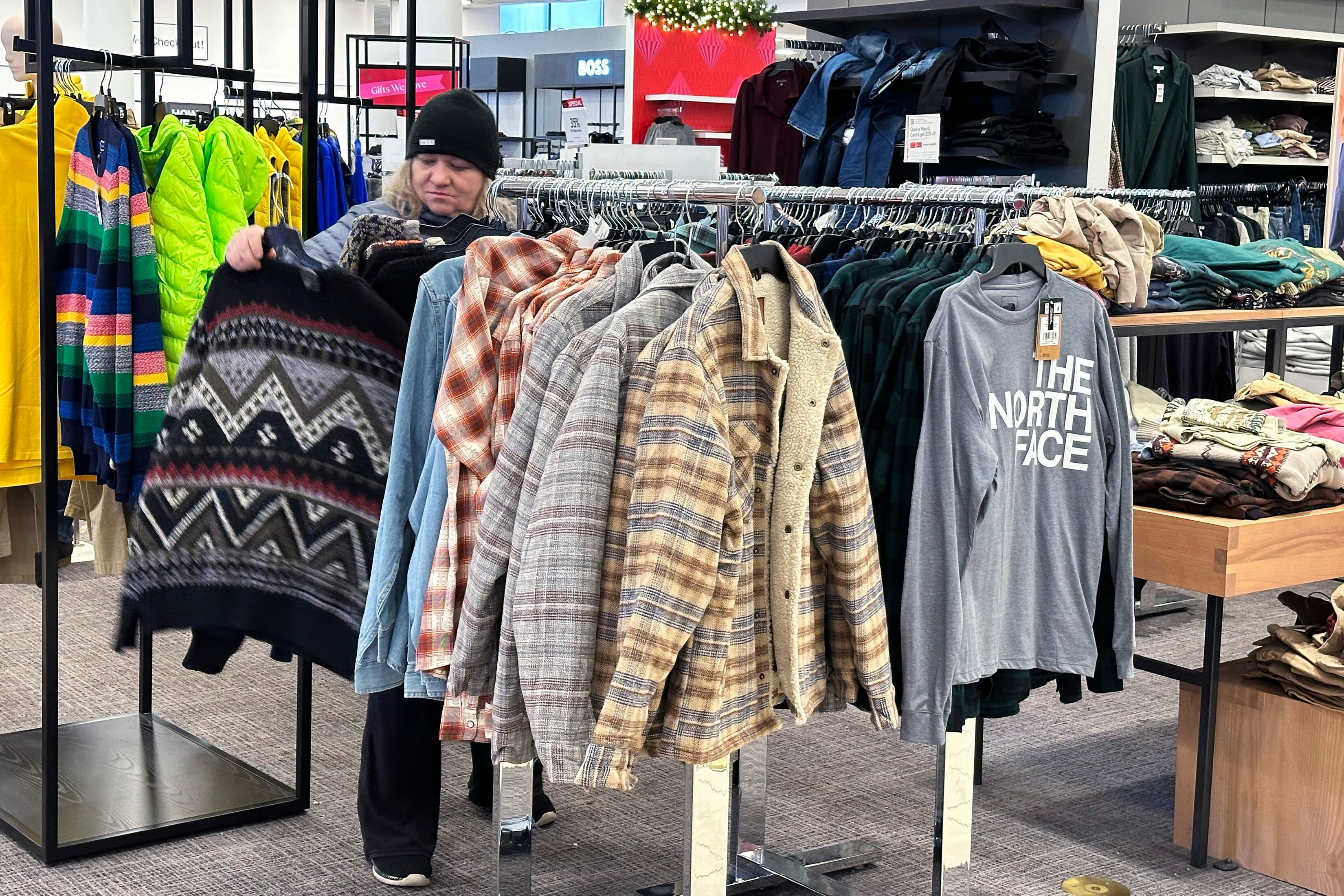
Sales at stores selling general merchandise rose 1.3%, while sellers of clothing and accessories saw business up 1.5%. Online sellers posted a 1.5% uptick. Furniture and home furnishings businesses had a 1% decline, reflecting a challenging housing market. Sales at restaurants were unchanged in December.
Economists had expected consumers to pull back on spending in the final three months of the year as credit card debt and delinquencies rise and savings fall. While consumers continue to face higher borrowing costs, tighter credit conditions and higher prices, spending is being fueled by a strong job market and rising wages.
Inflation has cooled significantly since peaking at 9.1% in mid-2022, but costs can still flare. Higher energy and housing prices boosted overall U.S. inflation in December, a sign that the Federal Reserve’s drive to slow inflation to its 2% target will likely remain a bumpy one.
“The U.S consumer continues to hold up well, which is a positive for the economy,” said Larry Tentarelli, chief technical strategist at Blue Chip Daily Trend Report. But he said the stronger data does lessen the chances that the Federal Reserve will cut rates.
Meanwhile, polls show many Americans are still pessimistic.
That disconnect, a likely hot topic in the 2024 elections, has confounded economists and political analysts. A major factor is the lingering financial and psychological effects of the worst bout of inflation in four decades. Much of the public remains exasperated by prices that, despite falling inflation, remain 17% higher than they were before prices began to surge.
Yet the holiday shopping season, the most critical for retailers, has turned out to be a decent one, according to some recent data.
Holiday sales from the beginning of November through Christmas Eve climbed 3.1%, according to Mastercard SpendingPulse, which tracks all kinds of payments including cash and debit cards.
While that’s less than half the 7.6% increase from a year earlier, this year’s sales are more in line with what is typical during the holiday season.
The National Retail Federation, the nation’s largest retail trade group, is expecting holiday sales to be up between 3% to 4% in November and December compared with the year-earlier period.
Ted Rossman, senior industry analyst at Bankrate.com, noted that consumer spending was “remarkably strong” during the holidays, but he added, “I do worry, however, how people are paying for all of this stuff. ”
Rossman noted that credit card balances and rates were already at record highs even before the holiday splurge. And buy now, pay later plans— which let shoppers break up the cost of an item over time — have spiked from last holiday season.
The government’s monthly retail sales report offers only a partial look at consumer spending; it doesn’t include many services, including health care, travel and hotel lodging.