Robot Resumes Mission To Retrieve Nuke Fuel From Fukushima Reactor
By Mari Yamaguchi
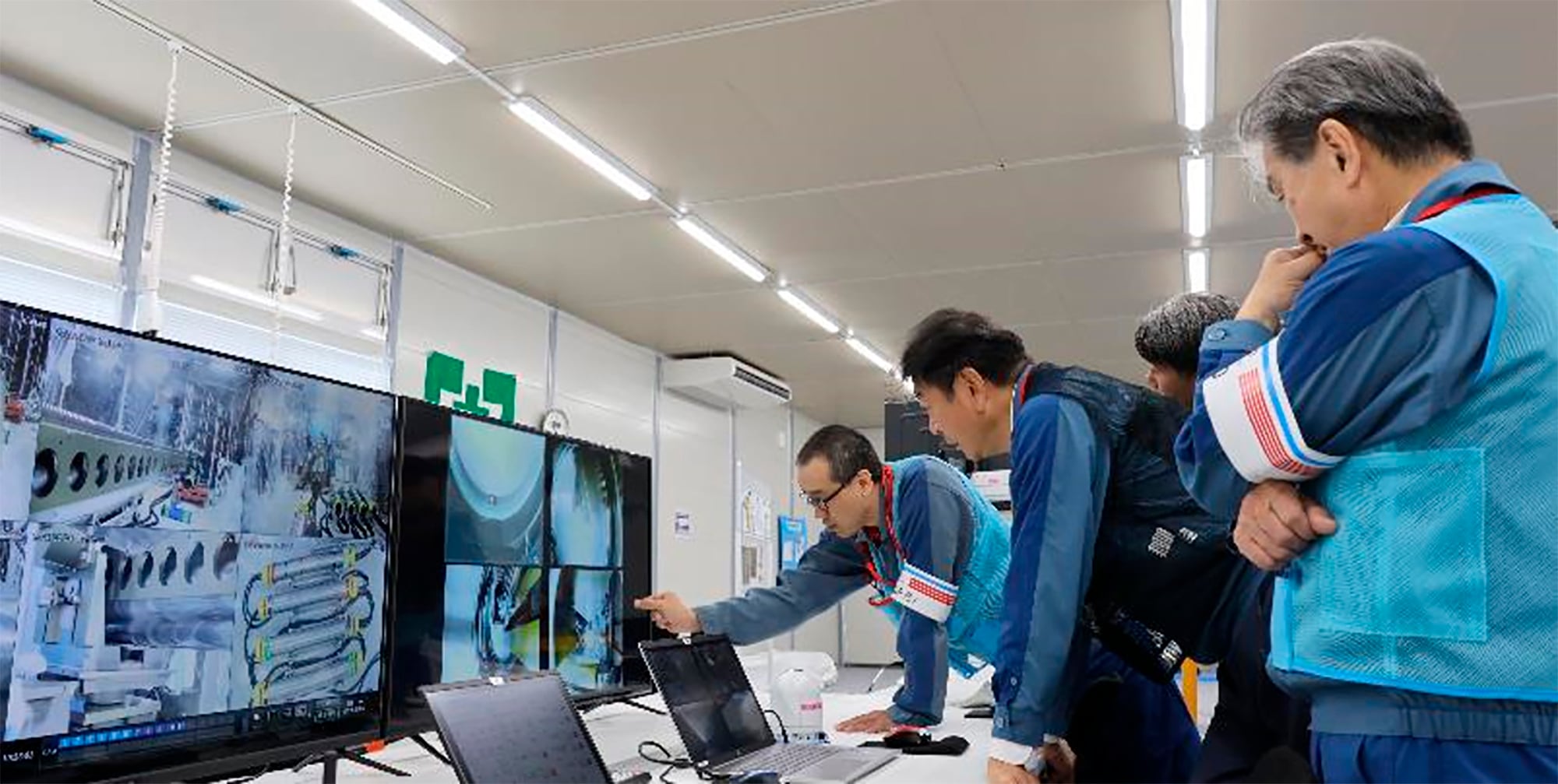
In this photo released by Tokyo Electric Power Company Holdings (TEPCO), TEPCO executives observe plant officials making final procedural checks from an operation room to monitor and remote control an extendable robot, at Fukjushima Daiichi nuclear power plant in Okuma, Fukushima prefecture, northern Japan Monday, Sept. 9, 2024. (Tokyo Electric Power Company Holdings via AP)
An extendable robot on Tuesday resumed its entry into one of three damaged reactors at Fukushima Daiichi nuclear power plant to retrieve a fragment of melted fuel debris, nearly three weeks after its earlier attempt was suspended due to a technical issue.
The collection of a tiny sample of the spent fuel debris from inside of the Unit 2 reactor marks the start of the most challenging part of the decadeslong decommissioning of the plant where three reactors were destroyed in the March 11, 2011, magnitude 9.0 earthquake and tsunami disaster.
The sample-return mission, initially scheduled to begin on Aug. 22, was suspended when workers noticed that a set of five 1.5-meter (5-foot) add-on pipes to push in and maneuver the robot were in the wrong order and could not be corrected within the time limit for their radiation exposure, the plant operator Tokyo Electric Power Company Holdings said.
The pipes were to be used to push the robot inside and pull it back out when it finished. Once inside the vessel, the robot is operated remotely from a safer location.
The robot, nicknamed “telesco," can extend up to about 22 meters (72 feet), including the pipes pushing it from behind, to reach its target area to collect a fragment from the surface of the melted fuel mound using a device equipped with tongs that hang from the of the robot.
The mission to obtain the fragment and return with it is to last about two weeks.
The mix-up, which TEPCO called a “basic mistake,” triggered disappointment and raised concerns from officials and local residents. Industry Minister Ken Saito ordered TEPCO President Tomoaki Kobayakawa a thorough investigation of the cause and preventive steps before resuming the mission.
The pipes were brought into the Unit 2 reactor building and pre-arranged at the end of July by workers from the robot's prime contractor and its subsidiary, but their final status was never checked until the problem was found.
TEPCO concluded the mishap was caused by a lack of attention, checking and communication between the operator and workers on the ground. By Monday, the equipment was reassembled in the right order and ready for a retrial, the company said.
The goal of the operation is to bring back less than 3 grams (0.1 ounce) of an estimated 880 tons of fatally radioactive molten fuel that remain in three reactors. The small sample will provide key data to develop future decommissioning methods and necessary technology and robots, experts say.
The government and TEPCO are sticking to a 30 to 40-year cleanup target set soon after the meltdown, despite criticism it is unrealistic. No specific plans for the full removal of the melted fuel debris or its storage have been decided.
The Trump administration has issued its first warnings to online services that offer unofficial versions of popular drugs like the blockbuster obesity treatment Wegovy.
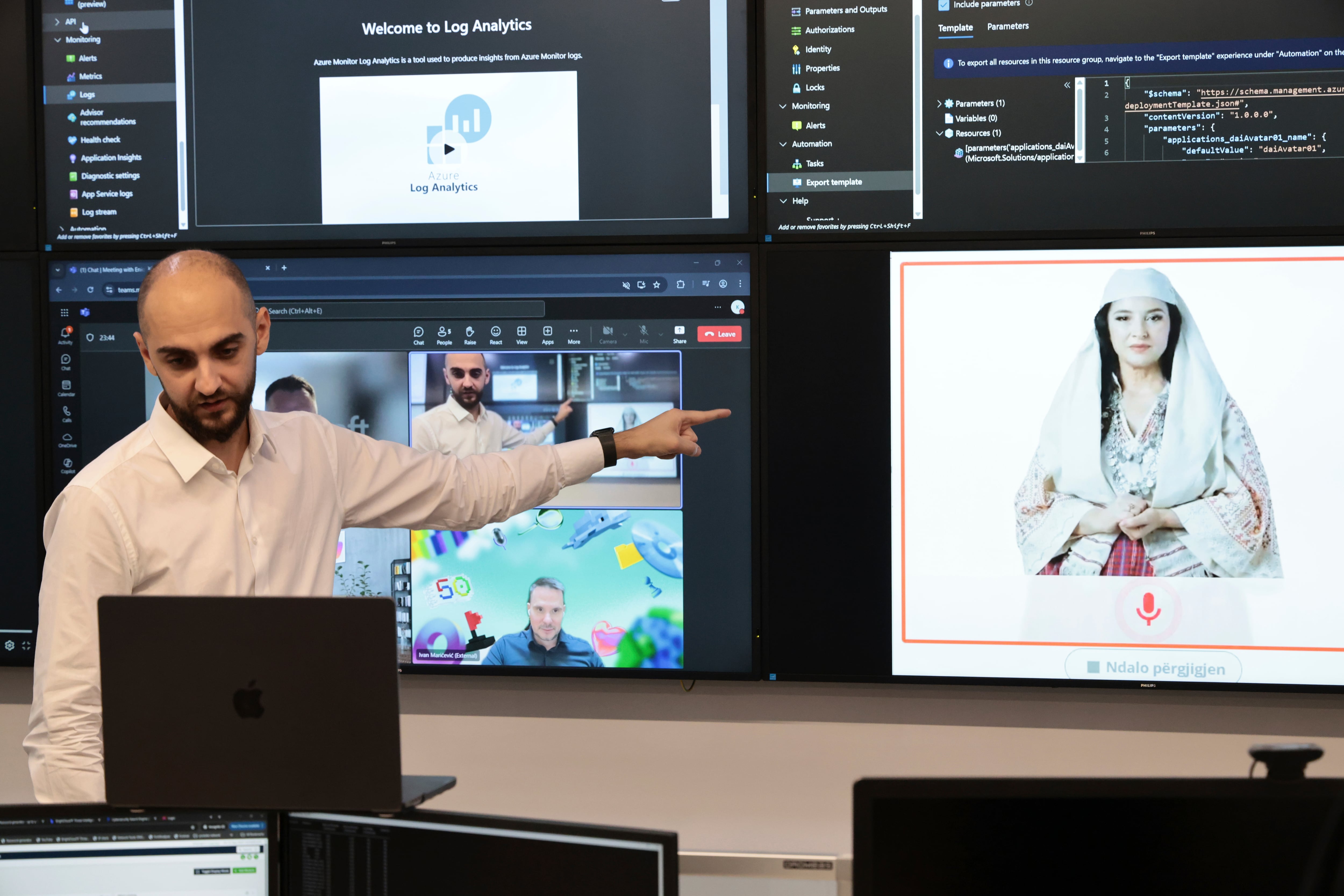
Albania's Prime Minister Edi Rama says his new Cabinet will include an artificial intelligence “minister” in charge of fighting corruption. The AI, named Diella, will oversee public funding projects and combat corruption in public tenders. Diella was launched earlier this year as a virtual assistant on the government's public service platform. Corruption has been a persistent issue in Albania since 1990. Rama's Socialist Party won a fourth consecutive term in May. It aims to deliver EU membership for Albania in five years, but the opposition Democratic Party remains skeptical.
The Federal Trade Commission has launched an inquiry into several social media and artificial intelligence companies about the potential harms to children and teenagers who use their AI chatbots as companions.
Swedish buy now, pay later company Klarna is making its highly anticipated public debut on the New York Stock Exchange Wednesday, the latest in a run of high-profile initial public offerings this year. The offering priced at $40 Tuesday, above the forecasted range of $35 to $37 a share, valuing the company at more than $15 billion. The valuation easily makes Klarna one of the biggest IPOs so far in 2025, which has been one of the busier years for companies going public. Other popular IPOs so far this year include the design software company Figma and Circle Internet Group, which issues the USDC stablecoin..
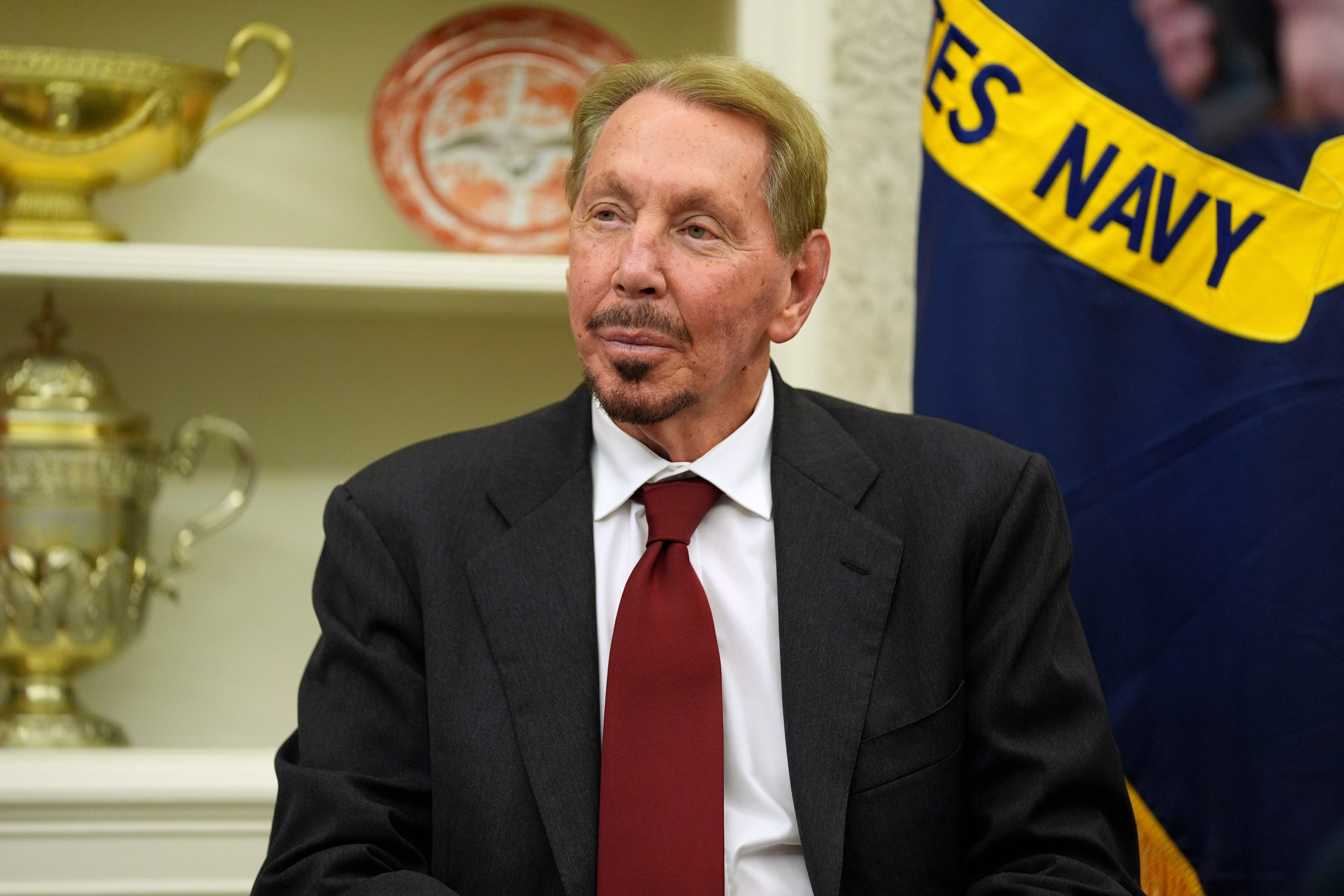
Oracle co-founder Larry Ellison wrested the title of the world’s richest man from longtime holder Elon Musk early Wednesday as stock in his software giant rocketed more than a third in a stunning few minutes of trading. That is according to wealth tracker Bloomberg. A college dropout, the 81-year-old Ellison is now worth $393 billion, Bloomberg says, several billion more than Musk, who had been the world’s richest for four years. The switch in the ranking came after a blockbuster earnings report from Oracle. Forbes still has Musk as the richest, however, valuing his private businesses much higher.
Online broker Robinhood Markets will join the S&P 500 index Online broker Robinhood Markets will join the S&P 500 index as its stock rides higher on a cryptocurrency wave.
Ali Kashani, CEO of Serve Robotics, dives into their $63.3M acquisition of Vayu Robotics and how it's accelerating the future of autonomous delivery systems.