Robot Resumes Mission To Retrieve Nuke Fuel From Fukushima Reactor
By Mari Yamaguchi
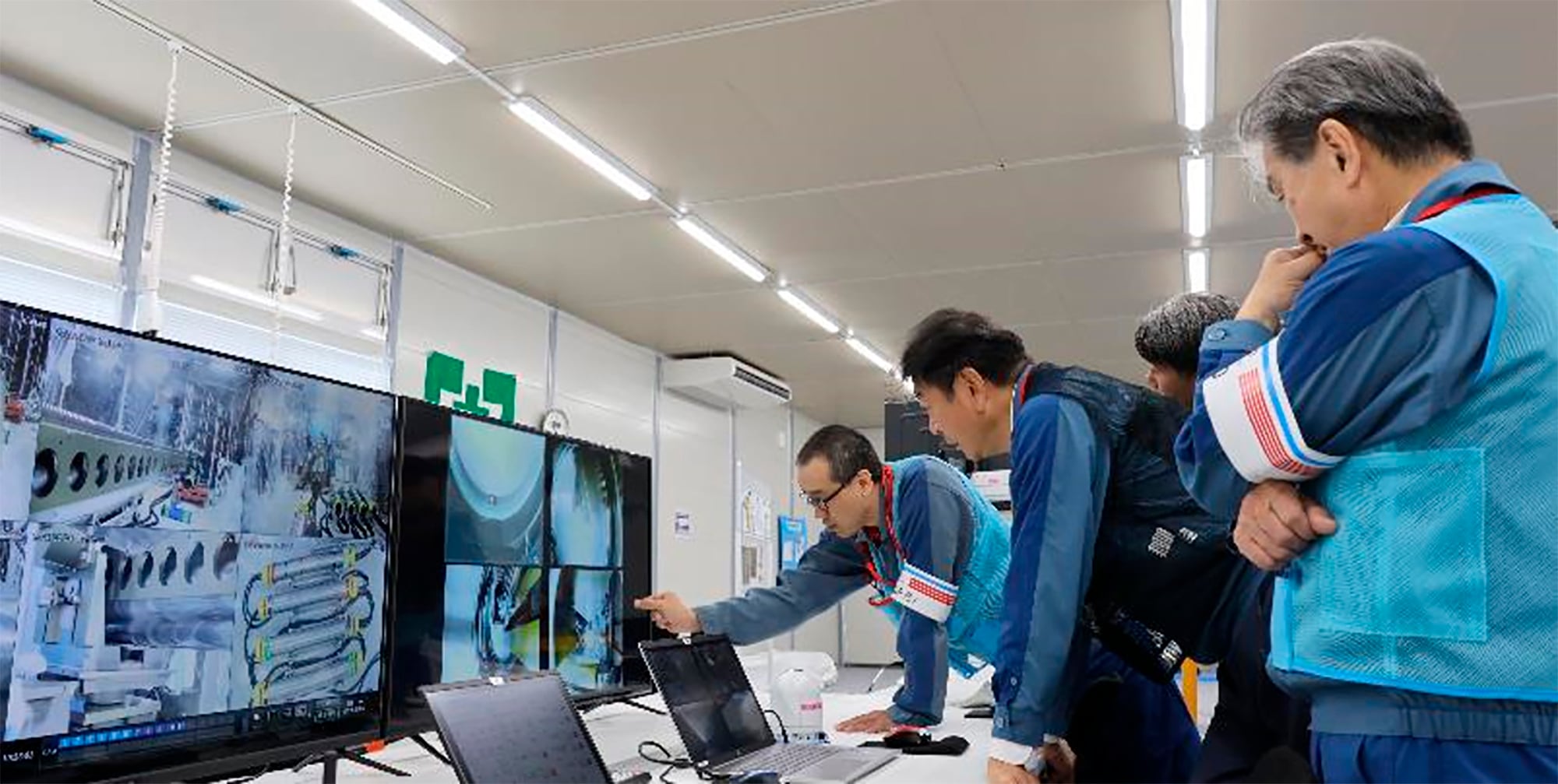
In this photo released by Tokyo Electric Power Company Holdings (TEPCO), TEPCO executives observe plant officials making final procedural checks from an operation room to monitor and remote control an extendable robot, at Fukjushima Daiichi nuclear power plant in Okuma, Fukushima prefecture, northern Japan Monday, Sept. 9, 2024. (Tokyo Electric Power Company Holdings via AP)
An extendable robot on Tuesday resumed its entry into one of three damaged reactors at Fukushima Daiichi nuclear power plant to retrieve a fragment of melted fuel debris, nearly three weeks after its earlier attempt was suspended due to a technical issue.
The collection of a tiny sample of the spent fuel debris from inside of the Unit 2 reactor marks the start of the most challenging part of the decadeslong decommissioning of the plant where three reactors were destroyed in the March 11, 2011, magnitude 9.0 earthquake and tsunami disaster.
The sample-return mission, initially scheduled to begin on Aug. 22, was suspended when workers noticed that a set of five 1.5-meter (5-foot) add-on pipes to push in and maneuver the robot were in the wrong order and could not be corrected within the time limit for their radiation exposure, the plant operator Tokyo Electric Power Company Holdings said.
The pipes were to be used to push the robot inside and pull it back out when it finished. Once inside the vessel, the robot is operated remotely from a safer location.
The robot, nicknamed “telesco," can extend up to about 22 meters (72 feet), including the pipes pushing it from behind, to reach its target area to collect a fragment from the surface of the melted fuel mound using a device equipped with tongs that hang from the of the robot.
The mission to obtain the fragment and return with it is to last about two weeks.
The mix-up, which TEPCO called a “basic mistake,” triggered disappointment and raised concerns from officials and local residents. Industry Minister Ken Saito ordered TEPCO President Tomoaki Kobayakawa a thorough investigation of the cause and preventive steps before resuming the mission.
The pipes were brought into the Unit 2 reactor building and pre-arranged at the end of July by workers from the robot's prime contractor and its subsidiary, but their final status was never checked until the problem was found.
TEPCO concluded the mishap was caused by a lack of attention, checking and communication between the operator and workers on the ground. By Monday, the equipment was reassembled in the right order and ready for a retrial, the company said.
The goal of the operation is to bring back less than 3 grams (0.1 ounce) of an estimated 880 tons of fatally radioactive molten fuel that remain in three reactors. The small sample will provide key data to develop future decommissioning methods and necessary technology and robots, experts say.
The government and TEPCO are sticking to a 30 to 40-year cleanup target set soon after the meltdown, despite criticism it is unrealistic. No specific plans for the full removal of the melted fuel debris or its storage have been decided.
Holiday shopping heats up as Tom’s Guide editor Kate Kozuch reveals the tech gifts everyone wants, from wellness gadgets to gaming buzz—and how to score deals!
Spain's government has fined Airbnb 64 million euros or $75 million for advertising unlicensed tourist rentals. The consumer rights ministry announced the fine on Monday. The ministry stated that many listings lacked proper license numbers or included incorrect information. The move is part of Spain's ongoing efforts to regulate short-term rental companies amid a housing affordability crisis especially in popular urban areas. The ministry ordered Airbnb in May to remove around 65,000 listings for similar violations. The government's consumer rights minister emphasized the impact on families struggling with housing. Airbnb said it plans to challenge the fine in court.
The Islamic State group and other militant organizations are experimenting with artificial intelligence as a tool to boost recruitment and refine their operations. National security experts say that just as businesses, governments and individuals have embraced AI, extremist groups also will look to harness the power of AI. That means aiming to improve their cyberattacks, breaking into sensitive networks and creating deepfakes that spread confusion and fear. Leaders in Washington have responded with calls to investigate how militant groups are using AI and seek ways to encourage tech companies to share more about how their products are being potentially misused.
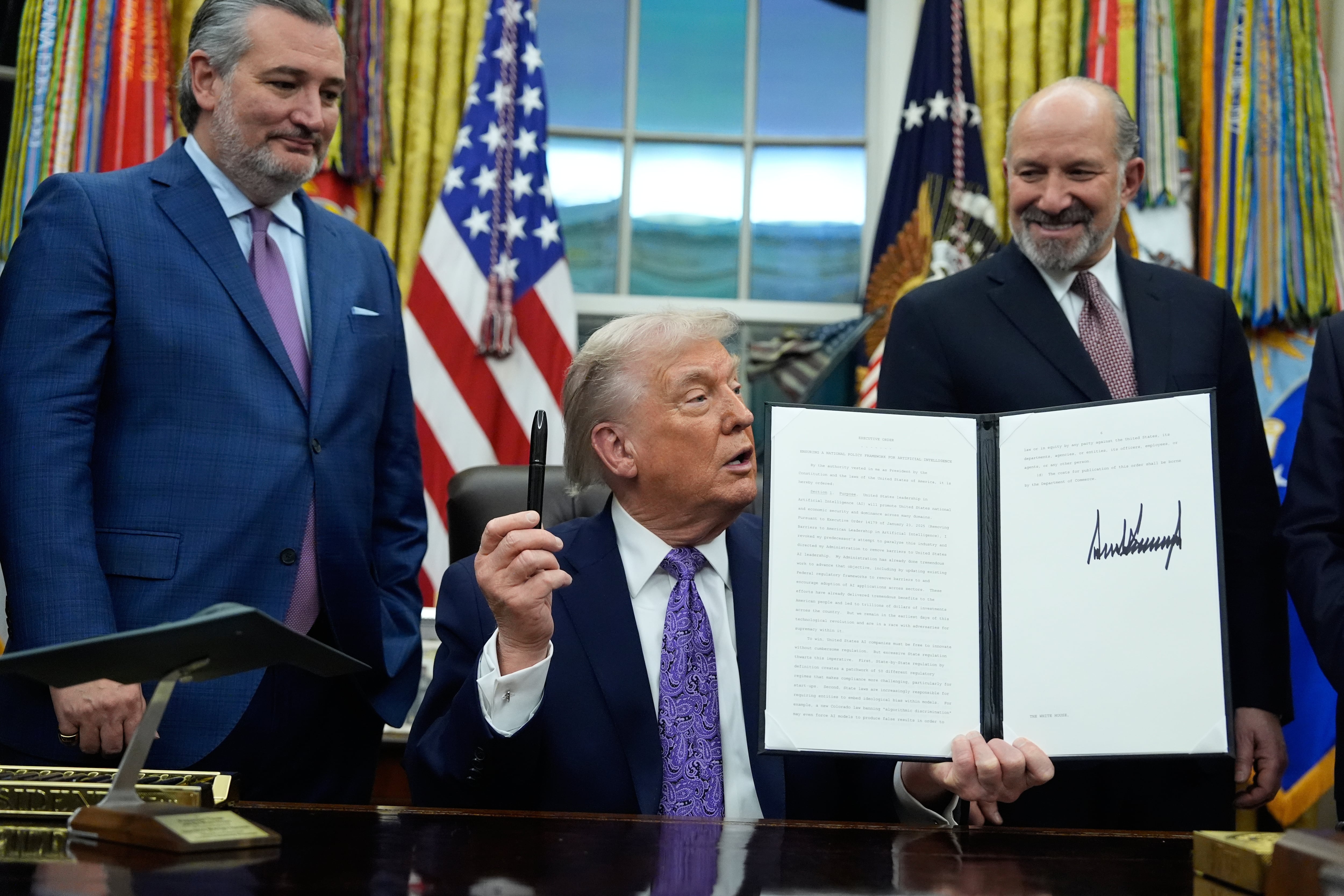
President Donald Trump has signed an executive order to block states from regulating artificial intelligence. He argues that heavy regulations could stifle the industry, especially given competition from China. Trump says the U.S. needs a unified approach to AI regulation to avoid complications from state-by-state rules. The order directs the administration to draw up a list of problematic regulations for the Attorney General to challenge. States with laws could lose access to broadband funding, according to the text of the order. Some states have already passed AI laws focusing on transparency and limiting data collection.
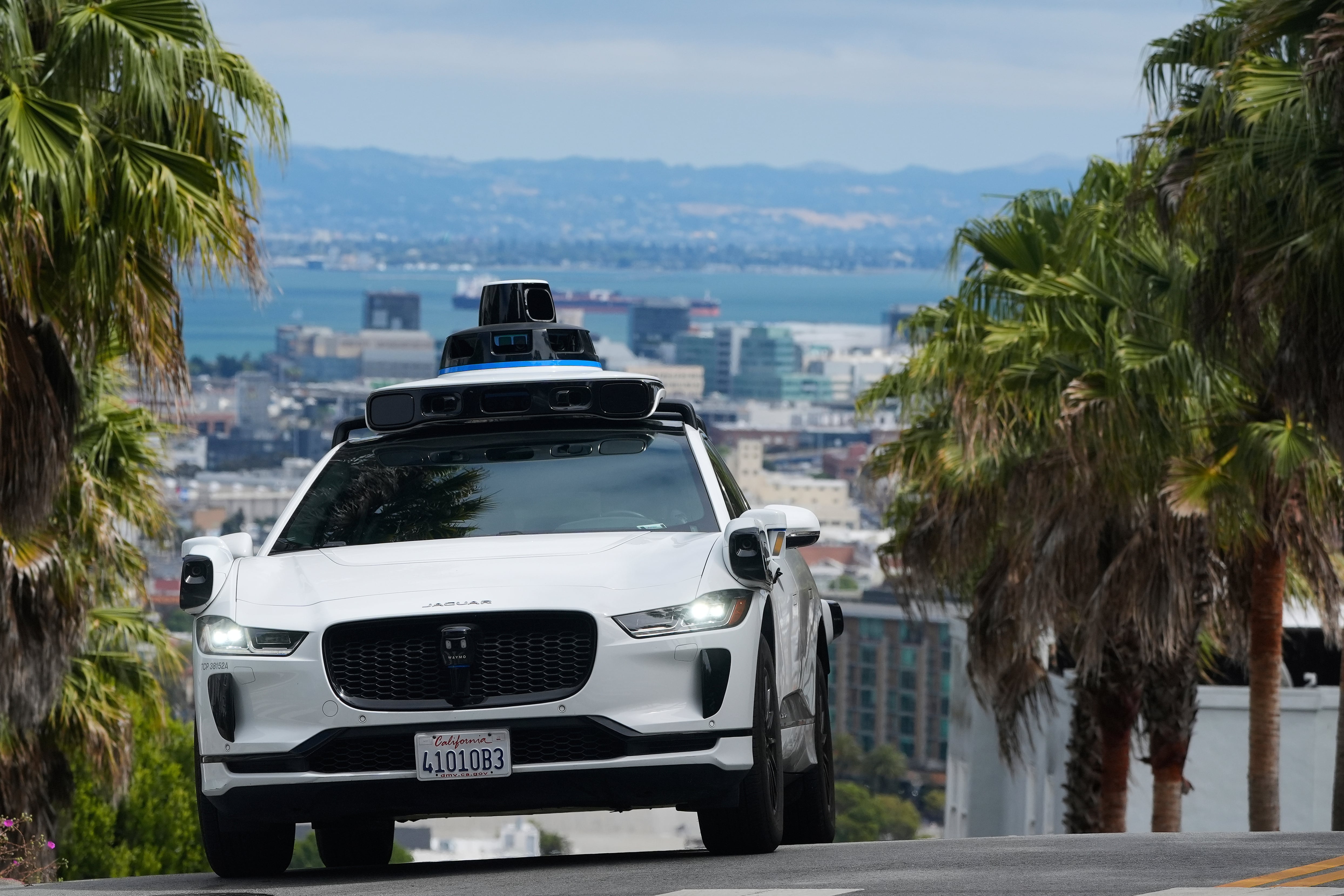
Waymo's self-driving taxis have been in the spotlight for both negative and positive reasons. This week, the automated ride-hailing taxis went viral after a San Francisco woman gave birth inside a Waymo taxi while on her way to the hospital. A Waymo spokesperson on Wednesday confirmed the unusual delivery. It said the company's rider support team detected unusual activity inside the vehicle and alerted 911. The taxi arrived safely at the hospital before emergency services. Waymo's popularity is growing despite heightened scrutiny following an illegal U-turn and the death of a San Francisco cat. The company, owned by Alphabet, says it is proud to serve riders of all ages.
OpenAI has appointed Slack CEO Denise Dresser as its first chief of revenue. Dresser will oversee global revenue strategy and help businesses integrate AI into daily operations. OpenAI CEO Sam Altman recently emphasized improving ChatGPT, which now has over 800 million weekly users. Despite its success, OpenAI faces competition from companies like Google and concerns about profitability. The company earns money from premium ChatGPT subscriptions but hasn't ventured into advertising. Altman had recently announced delays in developing new products like AI agents and a personal assistant.