The Twitter application is seen on a digital device, Monday, April 25, 2022, in San Diego. (AP Photo/Gregory Bull, File)
Elon Musk tweeted Tuesday that soon only blue check mark accounts will appear in the platform's recommendation or feed. Right now, an algorithm determines which tweets appear in the "For You" view, which features some posts from accounts you don't follow.
The change, set to begin April 15, would make it so only accounts that pay for the blue check mark designation make the cut.
"[This] is the only realistic way to address advanced AI bot swarms taking over," Musk tweeted. "It is otherwise a hopeless losing battle."
In addition, only those users would be able to vote in polls.
The announcement is the latest attempt by Musk to overhaul the struggling social media platform since he purchased it last year. His last major change was launching a subscription service for $8 a month that allows users to essentially pay for verification. Legacy verified accounts now would be required to pay for the subscription as well to keep the check mark.
Previously, Twitter used verification as a way to make sure accounts are matched with the actual people they are presenting as on the platform. When the subscription service first launched, pharmaceutical giant Eli Lilly was hit with a stock selloff after a user with a blue check spoofed its official account and announced that insulin would now be free of charge.
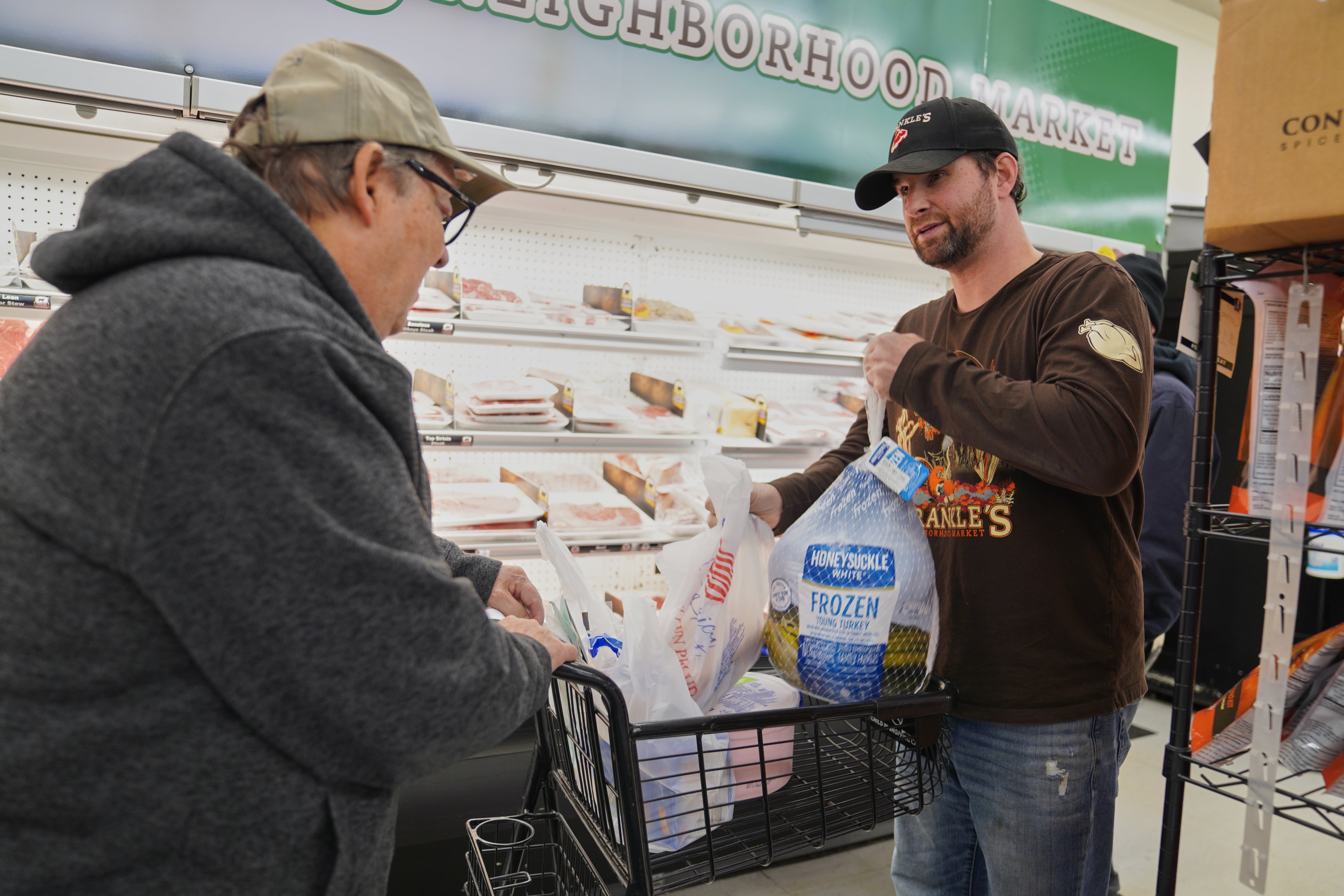
Some small grocery stores and neighborhood convenience stores are eager for the U.S. government shutdown to end and for their customers to start receiving federal food aid again. Late last month, the Trump administration froze funding for the SNAP benefits that about 42 million Americans use to buy groceries. The U.S. Department of Agriculture says about 74% of the assistance was spent last year at superstores like Walmart and supermarkets like Kroger. Around 14% went to smaller stores that are more accessible to SNAP beneficiaries. A former director of the United Nations World Food Program says SNAP is not only a social safety net for families but a local economic engine that supports neighborhood businesses.
Andy Baehr, Head of Product at CoinDesk Indices, breaks down crypto’s Black Friday crash, Bitcoin dipping under $100K, and what’s driving the market rout.
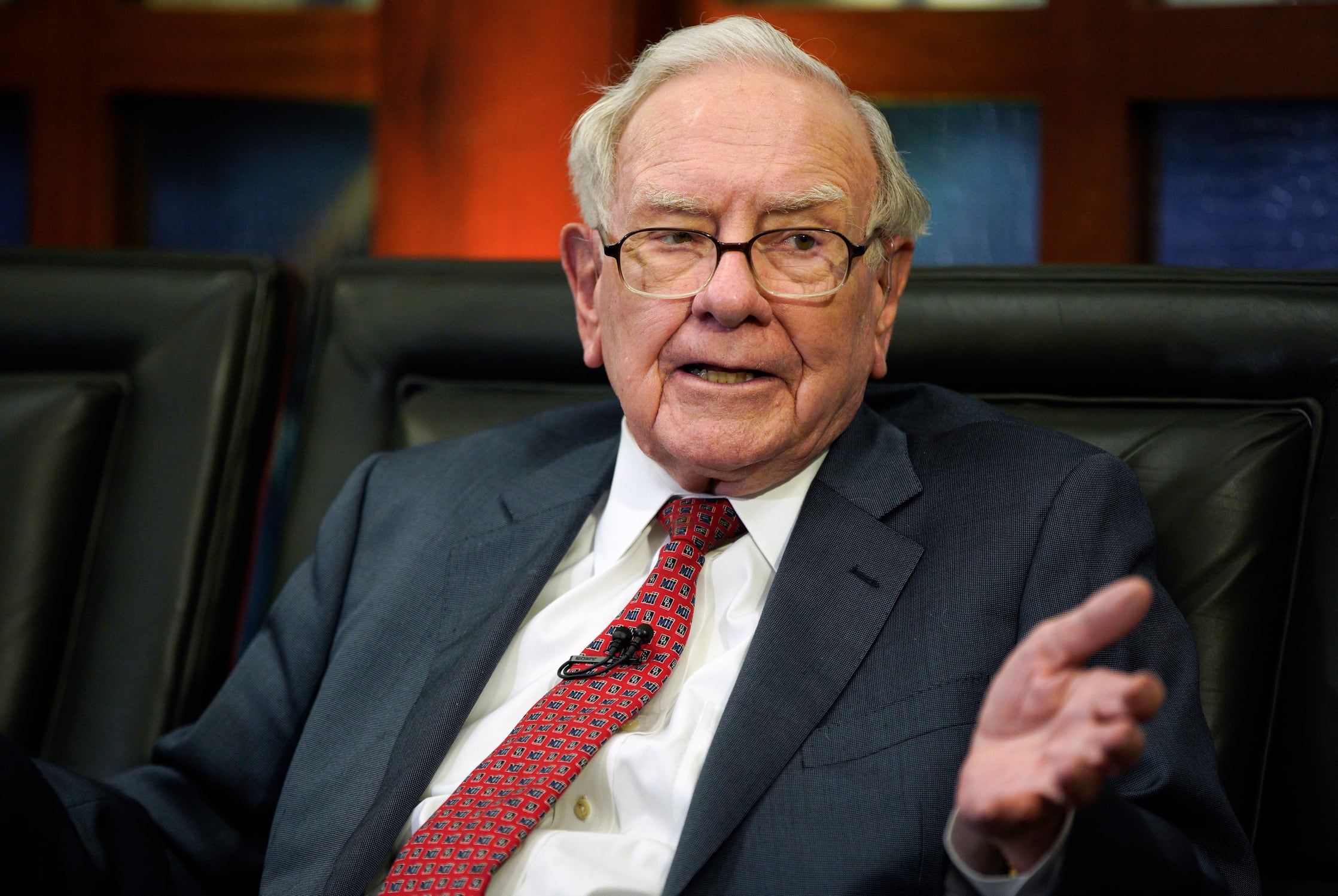
Billionaire Warren Buffett warned shareholders Monday that many companies will fare better than his Berkshire Hathaway in the decades ahead as Father Time catches up
Chris Marquette of POLITICO breaks down how the FAA is cutting flights and facing a critical shortage of air‑traffic controllers amid the government shutdown.
Dr. Manuele Aufiero, CEO & Co‑Founder of Sizable En a groundbreaking undersea energy‑storage technology powering the global shift to clean, scalable power.
Paul Fipps, President of Global Customer Operations at ServiceNow, breaks down the company’s earnings beat, 5‑for‑1 stock split and booming enterprise AI demand