Online Operators Stand to Cash in Big With Legalization of Sports Betting Says USBets CEO Adam Small
*By Samantha Errico*
Since a Supreme Court ruling in May, seven states have legalized sports betting ー and Adam Small, the CEO of gambling magazine USBets thinks Ohio, Virginia, Kentucky, and Louisiana may be next.
"We have a whole bunch of states that are interested, 20 to 30 states that could be looking at passing laws," Small told Cheddar Tuesday.
On May 14, 2018, the U.S. Supreme Court overturned [*Murphy v. NCAA*](https://www.supremecourt.gov/opinions/17pdf/16-476_dbfi.pdf), a law from 1992 that banned sports betting in most states. Since then legal sports wagering is up and running in seven states: Nevada, New Jersey, Pennsylvania, Delaware, Mississippi, West Virginia, and Rhode Island.
According to Small, each state has its own discrete legal requirements ー which may slow the path to legalization in certain regions.
He predicts that big-name companies like ESPN will eventually enter the market ー especially from Small's vantage point at the ICE Sports Betting USA conference [in New York City](https://www.sportsbettingusaconference.com/).
He added that mobile and online operators are generating the most revenue from legal betting thus far.
Seth Schachner breaks down Zootopia 2’s record-smashing debut, holiday box office trends, early 2026 Oscar contenders, and what’s next for Netflix and WBD.
Truist's Mike Skordeles unpacks earnings trends, market correction, labor force dynamics, and what a possible December rate cut could mean for all of us.
Holiday shopping heats up as big-box earnings reveal how Walmart, Target & Home Depot are navigating consumer pressure, strategy shifts and trends shaping 2025.
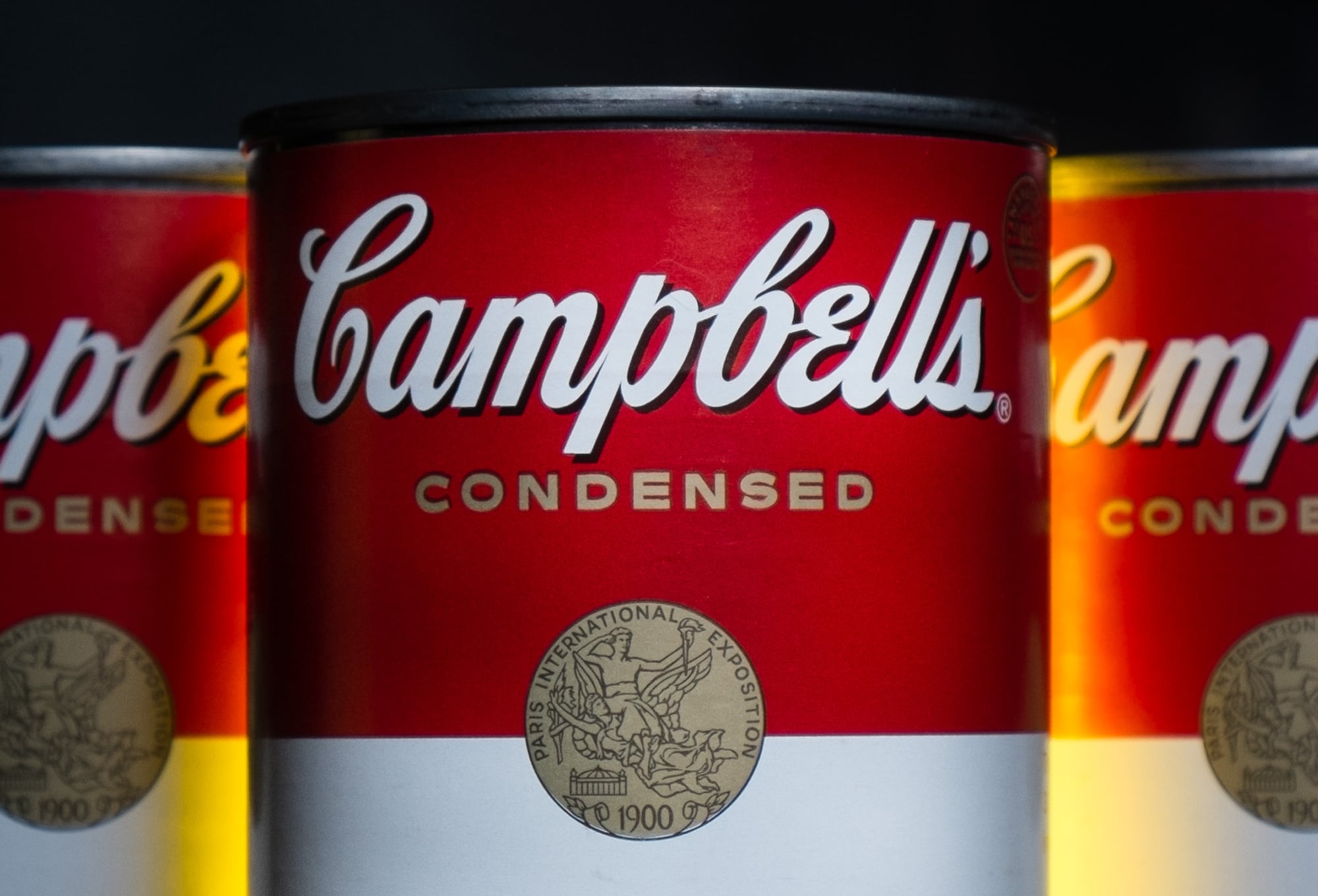
The Campbell’s Co. said Tuesday it has placed one of its executives on leave while it investigates claims that he made racist comments and mocked the company’s products and customers in an audio recording.
Elon Musk’s X unveiled a feature that lets users see where an account is based. Online sleuths and experts quickly found that many popular accounts, often posting in support of the U.S. MAGA movement with thousands or hundreds of thousands of followers, are based outside the U.S. This raises concerns about foreign influence in U.S. politics.