By Kevin McGill
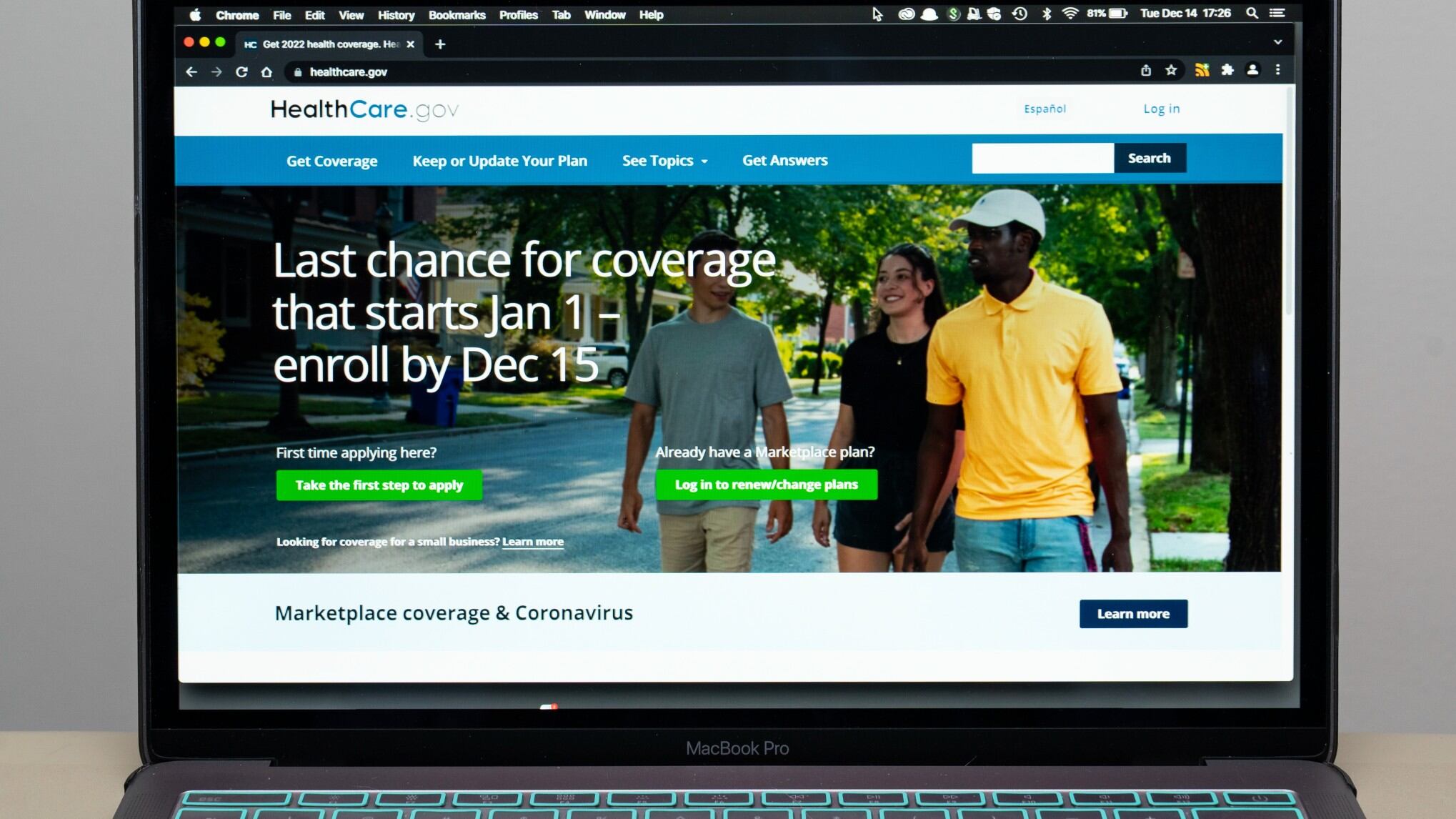
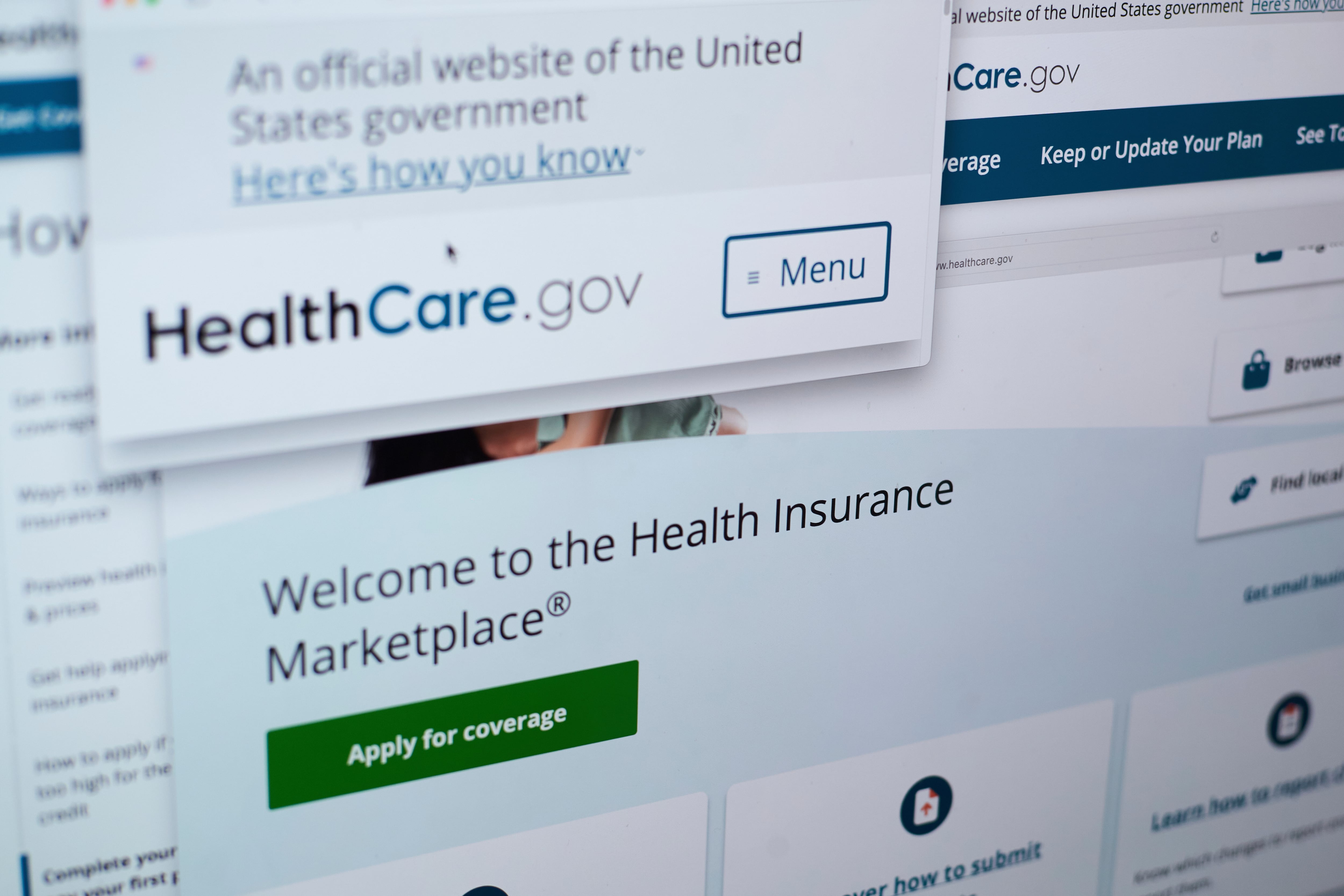
The government can keep enforcing “Obamacare” requirements that health insurance plans cover preventative care — such as HIV prevention, some types of cancer screenings and other illnesses — while a legal battle over the mandates plays out, under a court agreement approved Tuesday.
The pact approved by the 5th U.S. Circuit Court of Appeals preserves — at least for now — cost-free preventive care coverage for millions of Americans under the Affordable Care Act.
That coverage was thrown into question by a March ruling from a federal judge in Texas, who said some of the preventive care requirements under former President Barack Obama’s 13-year-old health care law are unconstitutional.
The ruling by U.S. District Judge Reed O'Connor had nationwide effects. The Biden administration had argued last week at the appeals court that the ruling should be stayed while appeals are pursued.
The agreement was filed with the court Monday. In it, the plaintiffs in the case, including a Christian dentist who opposes coverage for contraception and HIV prevention on religious grounds, agreed to a broad stay nationwide. In return, during the appeal process, the handful of plaintiffs would be allowed to provide insurance plans that don't include the preventive care. If O'Connor's ruling were reversed, they would have to provide the coverage, but they would not be penalized for having dumped the coverage during appeals.
O’Connor's March ruling deals with requirements for coverage driven by recommendations by the U.S. Preventive Services Task Force. The judge ruled that because the task force is made up of volunteers, enforcing its recommendations violates the Constitution’s Appointment Clause, which lays out how government officials can be appointed.
Not all preventive care was threatened by O'Connor’s ruling. An analysis by the nonprofit KFF foundation found that some screenings, including mammography and cervical cancer screening, would still be covered without out-of-pocket costs because the task force recommended them before the health care law was enacted in March 2010.
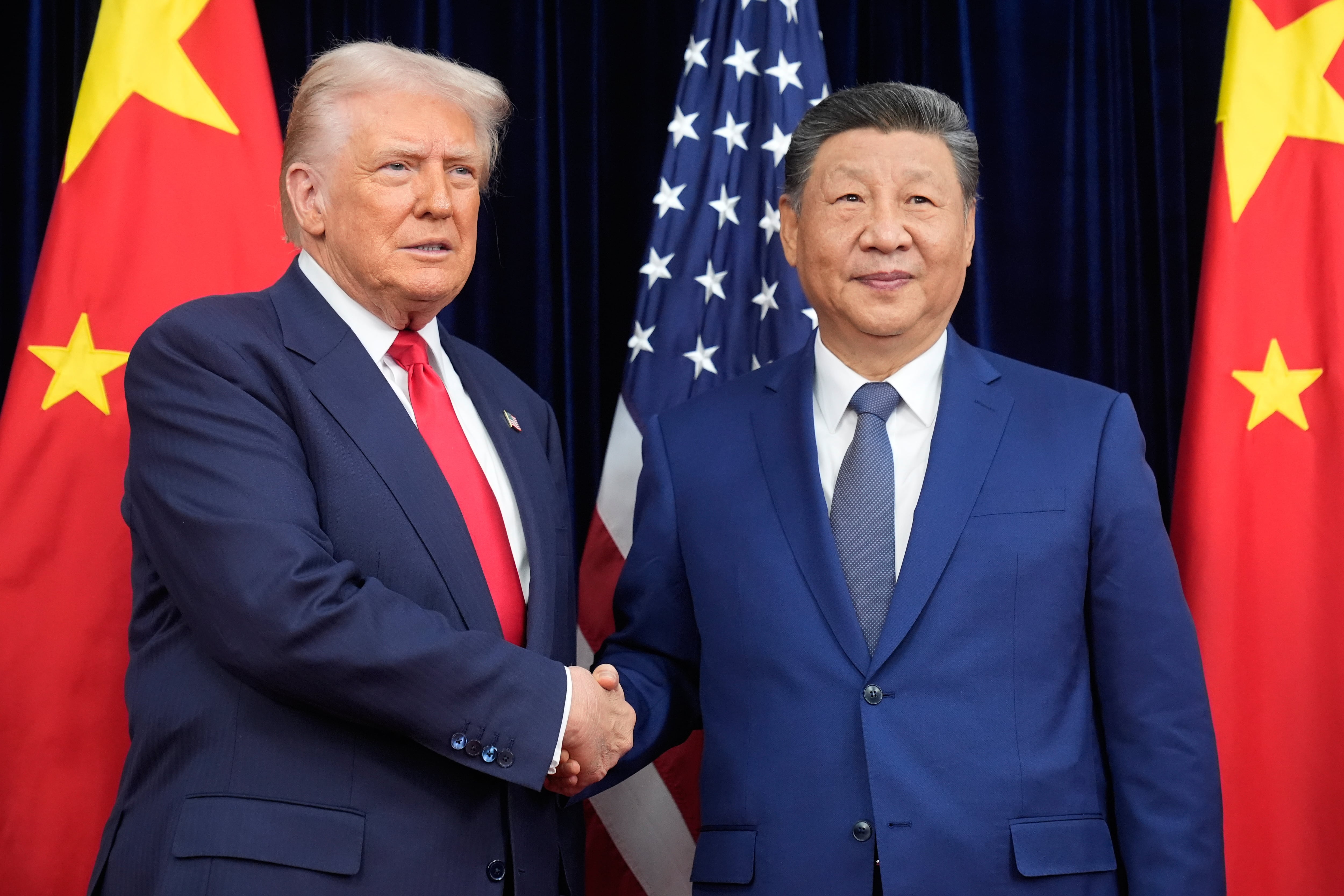
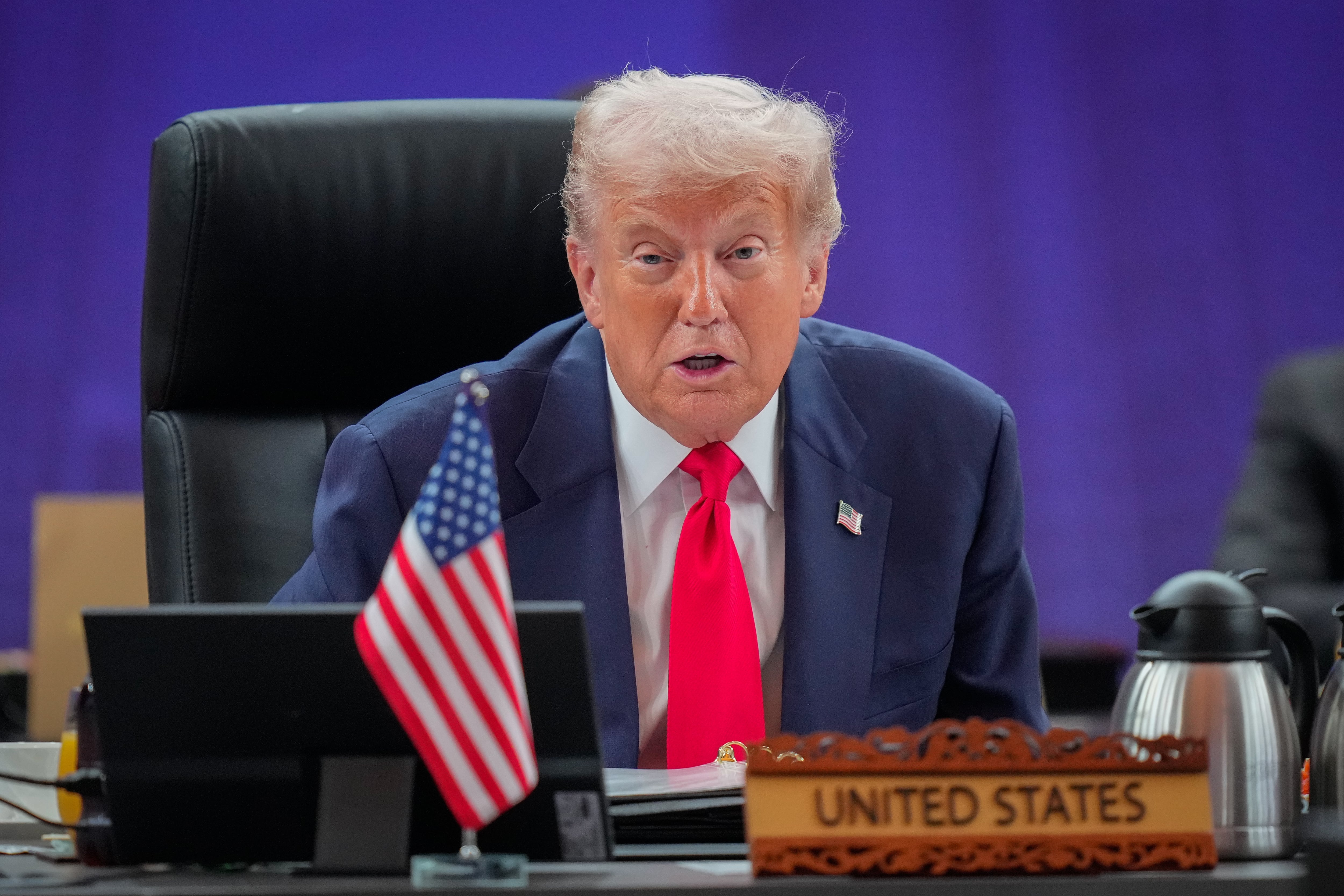
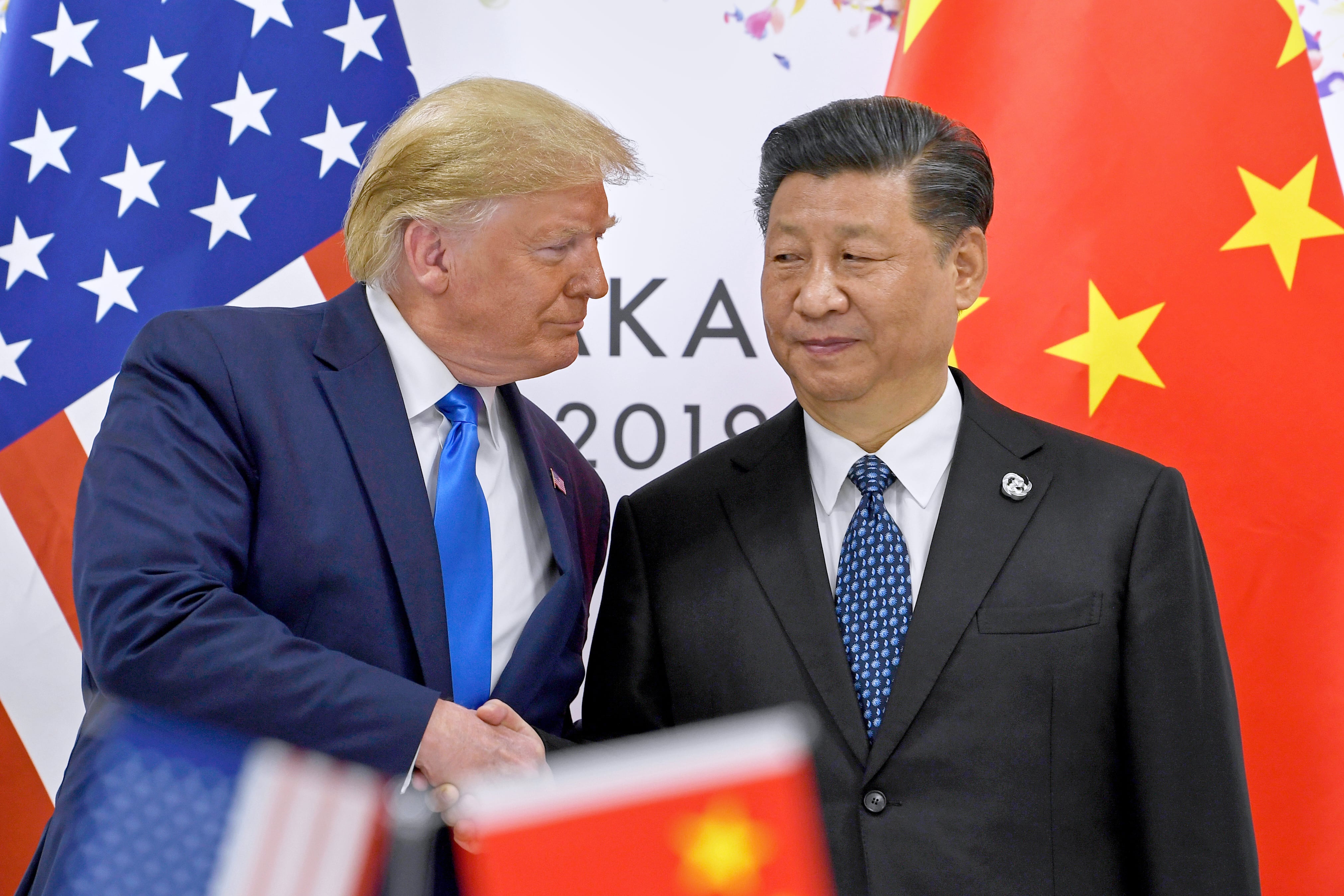
President Donald Trump said he has decided to lower his combined tariff rates on imports of Chinese goods to 47% after talks with Chinese leader Xi Jinping on curbing fentanyl trafficking.
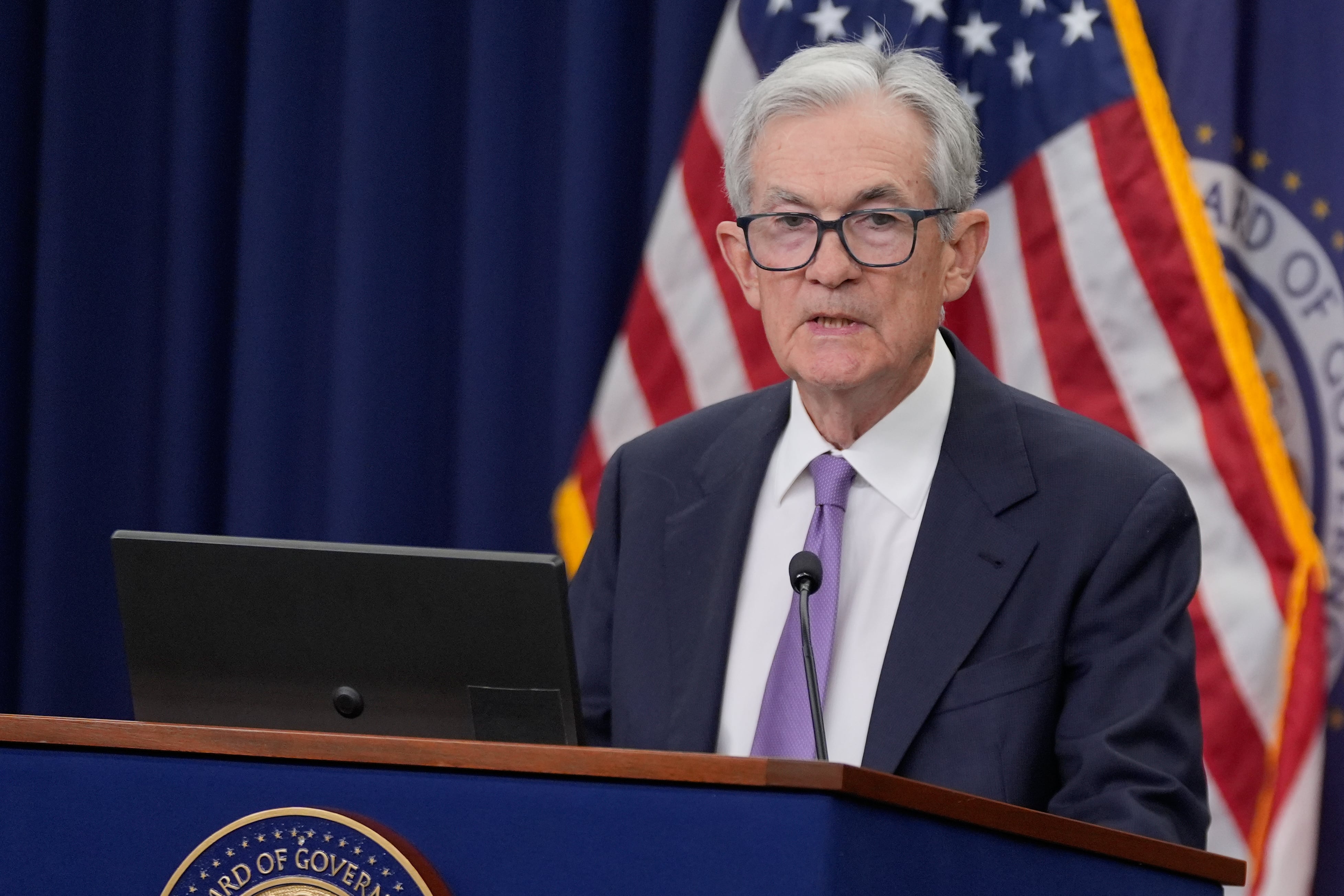
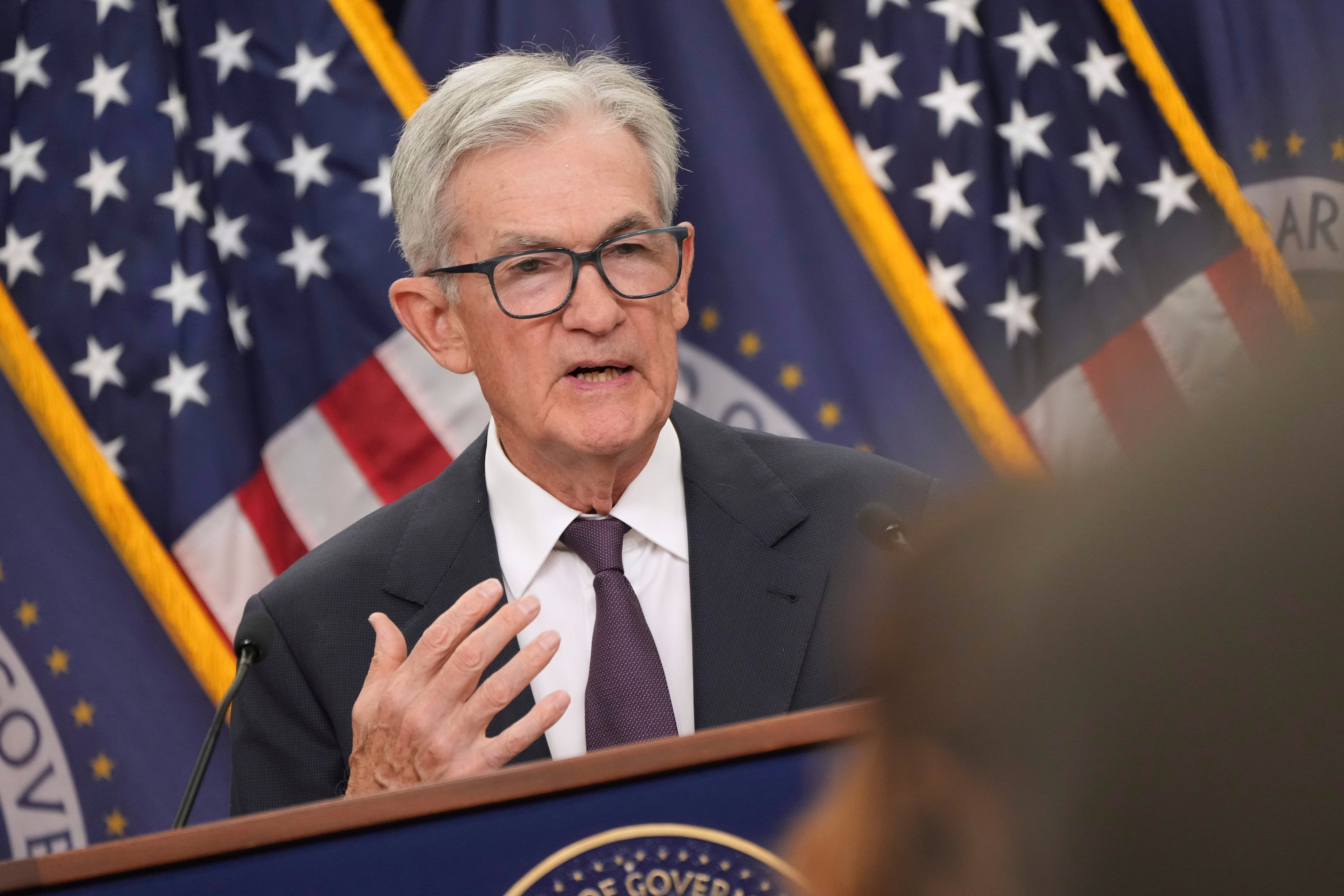
The Federal Reserve cut its key interest rate Wednesday for a second time this year as it seeks to shore up economic growth and hiring even as inflation stays elevated. The move comes amid a fraught time for the central bank, with hiring sluggish and yet inflation stuck above the Fed’s 2% target. Compounding its challenges, the central bank is navigating without much of the economic data it typically relies on from the government. The Fed has signaled it may reduce its key rate again in December but the data drought raises the uncertainty around its next moves. Fed Chair Jerome Powell told reporters that there were “strongly differing views” at the central bank's policy meeting about to proceed going forward.
U.S. and Chinese officials say a trade deal between the world’s two largest economies is drawing closer. The sides have reached an initial consensus for President Donald Trump and Chinese leader Xi Jinping to aim to finalize during their high-stakes meeting Thursday in South Korea. Any agreement would be a relief to international markets. Trump's treasury secretary says discussions with China yielded preliminary agreements to stop the precursor chemicals for fentanyl from coming into the United States. Scott Bessent also says Beijing would make “substantial” purchases of soybean and other agricultural products while putting off export controls on rare earth elements needed for advanced technologies.
A new poll finds most U.S. adults are worried about health care becoming more expensive.
The White House budget office says mass firings of federal workers have started in an attempt to exert more pressure on Democratic lawmakers as the government shutdown continues.
President Donald Trump says “there seems to be no reason” to meet with Chinese leader Xi Jinping as part of an upcoming trip to South Korea after China restricted exports of rare earths needed for American industry. The Republican president suggested Friday he was looking at a “massive increase” of import taxes on Chinese products in response to Xi’s moves. Trump says one of the policies the U.S. is calculating is "a massive increase of Tariffs on Chinese products coming into the United States." A monthslong calm on Wall Street was shattered, with U.S. stocks falling on the news. The Chinese Embassy in Washington hasn't responded to an Associated Press request for comment.
Most members of the Federal Reserve’s interest-rate setting committee supported further reductions to its key interest rate this year, minutes from last month’s meeting showed.
From Wall Street trading floors to the Federal Reserve to economists sipping coffee in their home offices, the first Friday morning of the month typically brings a quiet hush around 8:30 a.m. eastern, as everyone awaits the Labor Department’s monthly jobs report.
The Supreme Court is allowing Lisa Cook to remain as a Federal Reserve governor for now.
Rep. John Moolenaar has requested an urgent briefing from the White House after Trump supported a deal giving Americans a majority stake in TikTok.