Dozens of bodies were found stored in rented trucks and vans on the street outside of a Brooklyn funeral home on Wednesday. Police had responded to calls from concerned neighbors, who reported an overwhelming odor and liquid dripping from the vehicles parked outside Andrew T. Cleckley Funeral Home in the Flatlands neighborhood.
After police responded, employees could be seen moving the bodies into a refrigerated truck that it was able to acquire later in the day, according to the Associated Press. The funeral home was ultimately cited for failing to control the odor.
The city has not confirmed whether the deceased were coronavirus victims, but the scandal at the funeral home is illustrative of broader problems impacting New York City’s death care infrastructure amid the global coronavirus pandemic. In spite of a substantial jump in morgue capacity thanks to refrigerated trucks bought by the city and acquired from FEMA, the onslaught of death has prompted the Office of the Chief Medical Examiner to cut down on the time it will hold onto remains before burying the unclaimed in mass graves on Hart Island. At the height of the crisis, morgues and crematories experienced backlogs of up to two weeks.
Caught between brimming morgues and backed-up cemeteries are the funeral directors who have had to take on higher volumes of business despite staff shortages related to social distancing and illness. When deaths peaked in early April, one Brooklyn funeral director told the Associated Press his home was handling on average three times the volume of remains daily as it would typically pre-pandemic.
Unpacking Jerome Powell’s surprise rate cut with Tematica Research CIO Chris Versace—what it signals, who wins, who loses, and what smart investors do now.
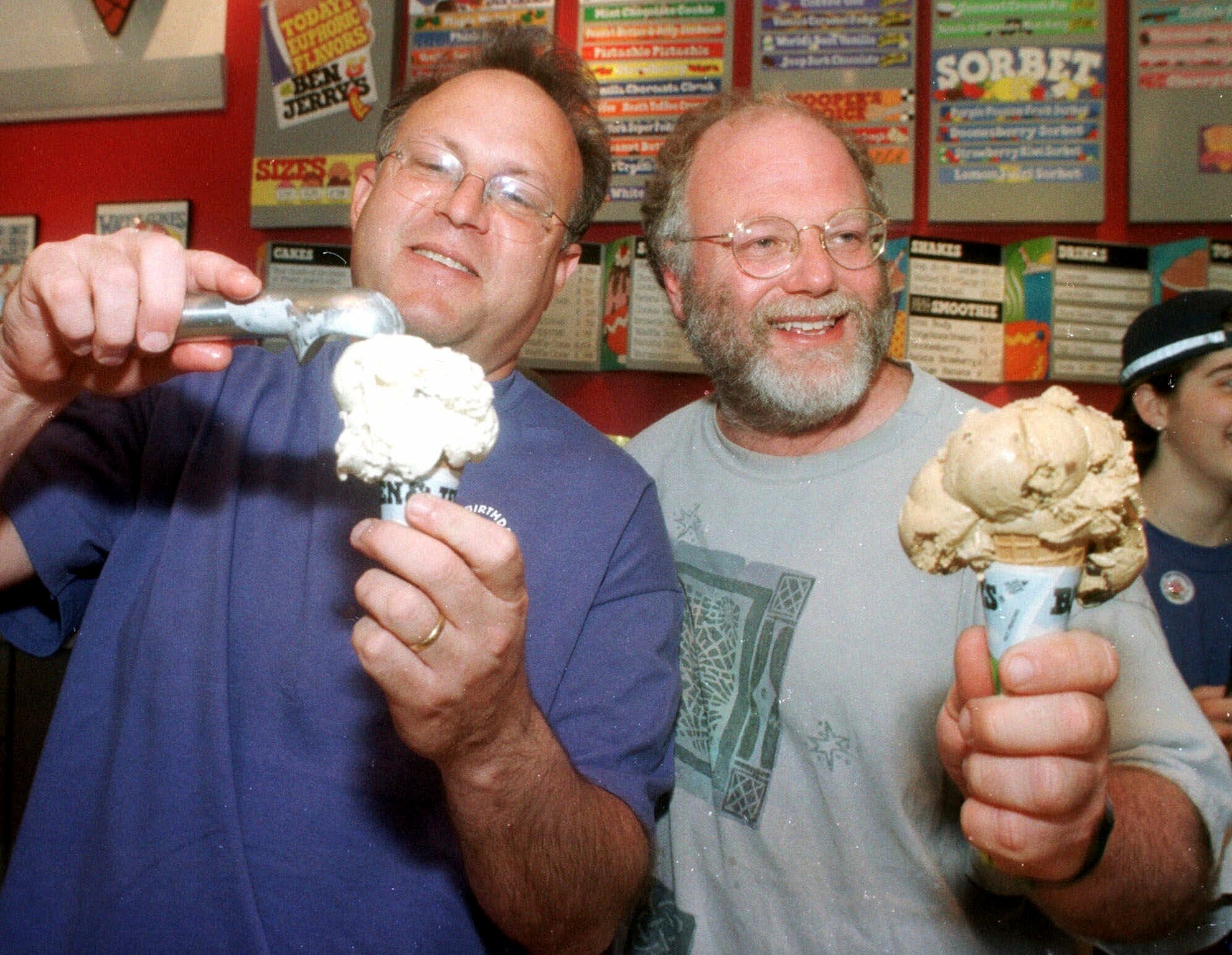
Ben & Jerry’s co-founder Jerry Greenfield is leaving the ice cream brand after 47 years. He says the freedom the company used to have to speak up on social issues has been stifled
The Trump administration has issued its first warnings to online services that offer unofficial versions of popular drugs like the blockbuster obesity treatment Wegovy.
Oracle soars as it cashes in on the AI boom, Plus: Starbucks shares continue to fall under its new CEO, and does anybody actually want a new iPhone Air?
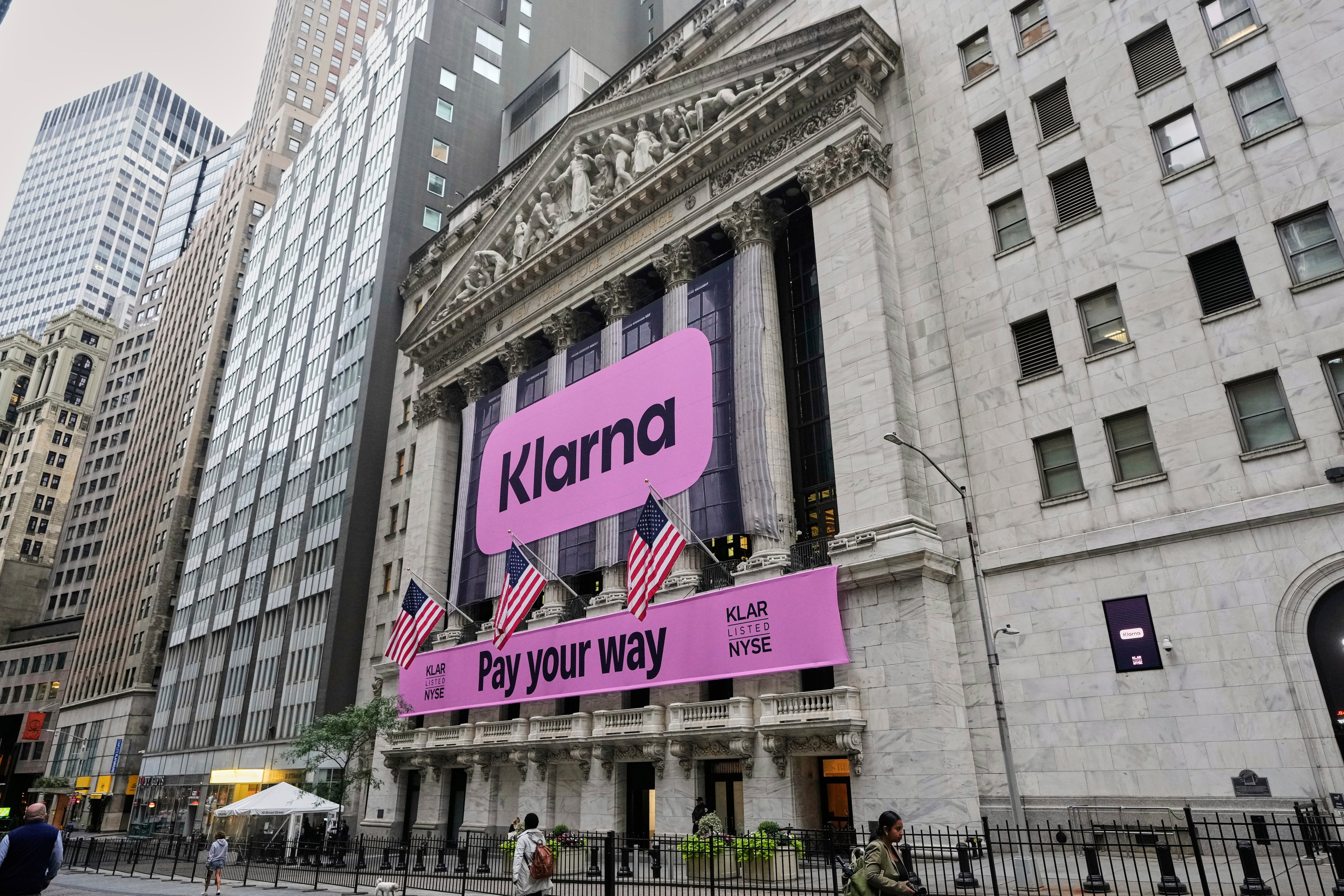
Swedish buy now, pay later company Klarna is making its highly anticipated public debut on the New York Stock Exchange Wednesday, the latest in a run of high-profile initial public offerings this year. The offering priced at $40 Tuesday, above the forecasted range of $35 to $37 a share, valuing the company at more than $15 billion. The valuation easily makes Klarna one of the biggest IPOs so far in 2025, which has been one of the busier years for companies going public. Other popular IPOs so far this year include the design software company Figma and Circle Internet Group, which issues the USDC stablecoin..