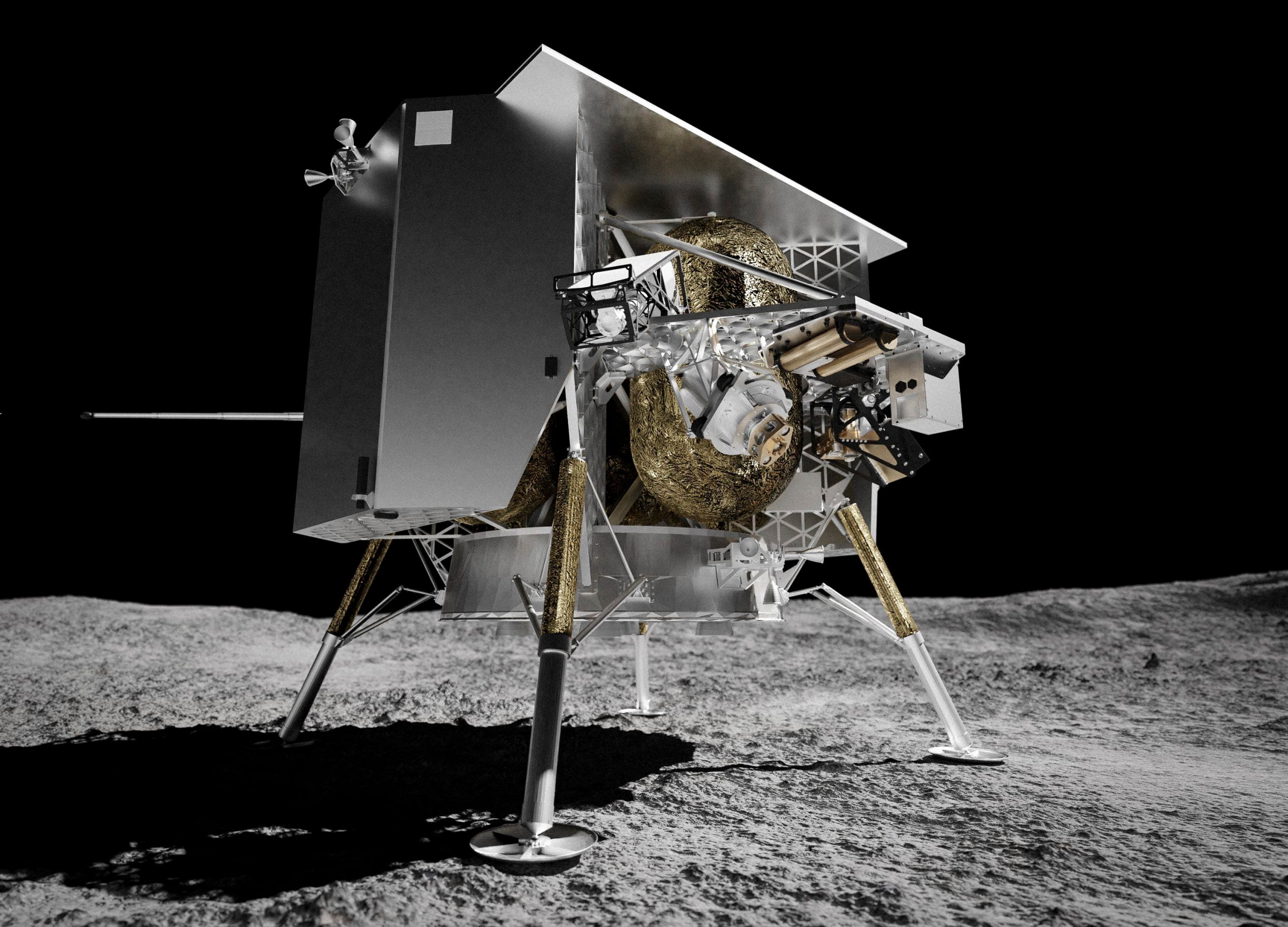
This illustration provided by Astrobotic Technology in 2024 depicts the Peregrine lunar lander on the surface of the moon. (Astrobotic Technology via AP)
Astronauts will have to wait until next year before flying to the moon and another few years before landing on it, under the latest round of delays announced by NASA on Tuesday.
The space agency had planned to send four astronauts around the moon late this year, but pushed the flight to September 2025 because of technical issues. The first human moon landing in more than 50 years also got bumped, from 2025 to 2026.
The news came barely an hour after a Pittsburgh company abandoned its own attempt to land its spacecraft on the moon because of a mission-ending fuel leak.
Launched on Monday as part of NASA's commercial lunar program, Astrobotic Technology's Peregrine lander was supposed to serve as a scout for the astronauts. A Houston company will give it a shot with its own lander next month.
NASA is relying heavily on private companies for its Artemis moon-landing program for astronauts, named after the mythological twin sister of Apollo.
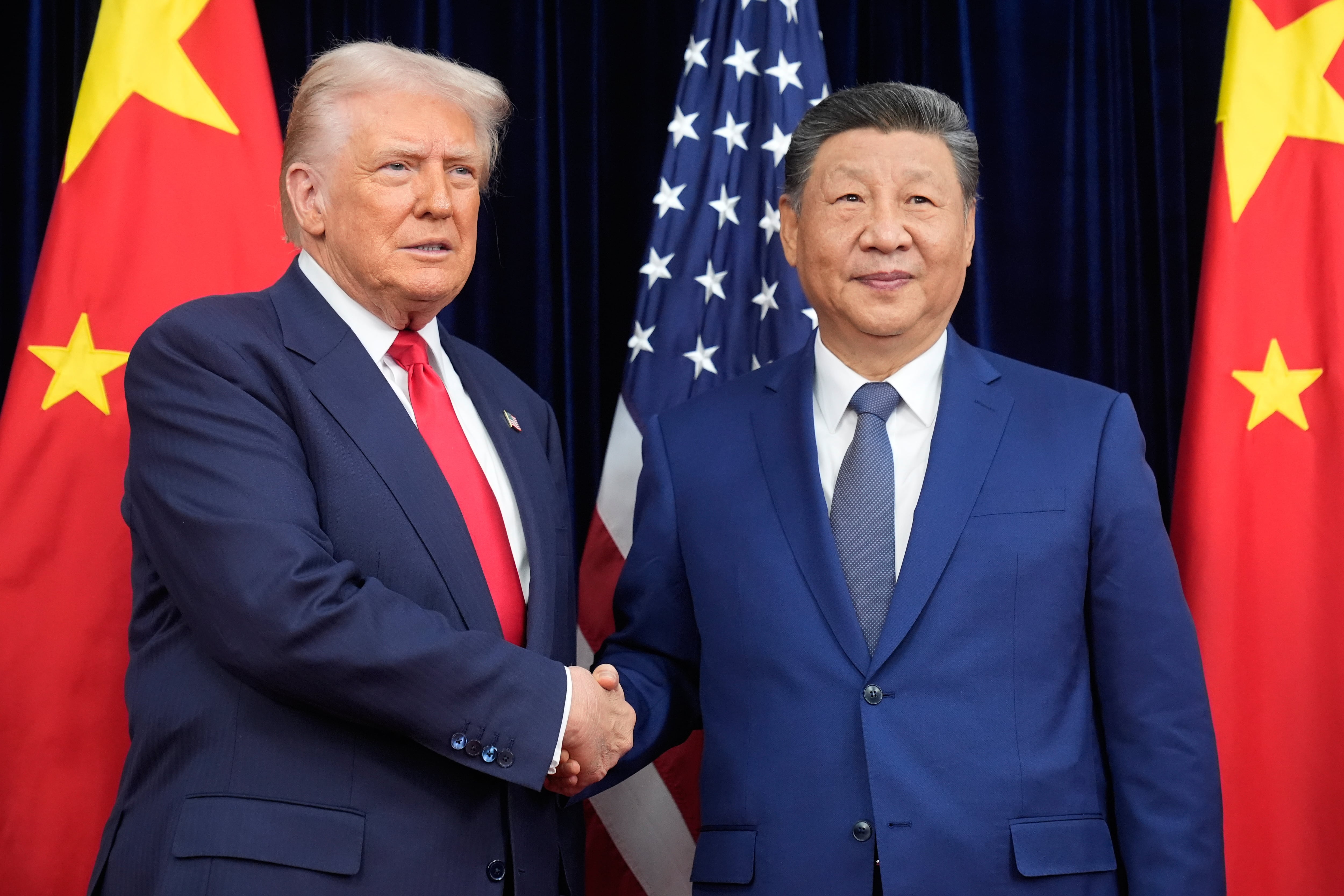
President Donald Trump said he has decided to lower his combined tariff rates on imports of Chinese goods to 47% after talks with Chinese leader Xi Jinping on curbing fentanyl trafficking.
Universal Music Group and AI platform Udio have settled a copyright lawsuit and will collaborate on a new music creation and streaming platform. The companies announced on Wednesday that they reached a compensatory legal settlement and new licensing agreements. These agreements aim to provide more revenue opportunities for Universal's artists and songwriters. The rise of AI song generation tools like Udio has disrupted the music streaming industry, leading to accusations from record labels. This deal marks the first since Universal and others sued Udio and Suno last year. Financial terms of the settlement weren't disclosed.
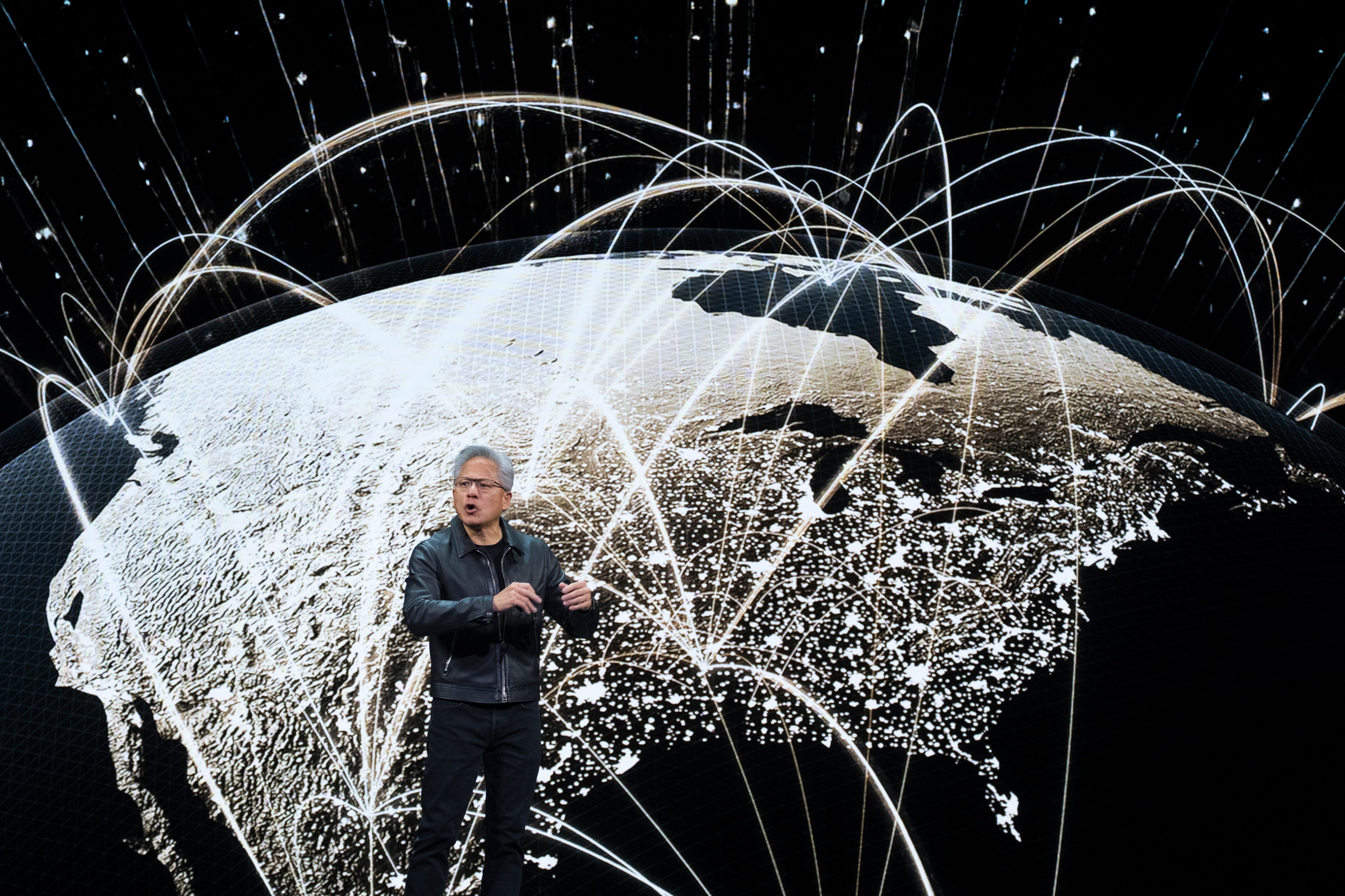
Nvidia on Wednesday became the first public company to reach a market capitalization of $5 trillion. The ravenous appetite for the Silicon Valley company’s chips is the main reason that the company’s stock price has increased so rapidly since early 2023.
Chris Williamson, Chief Business Economist at S&P Global, breaks down September’s CPI print and inflation trends, explaining what it means for markets.