As movie theater chains such as Regal and AMC open their doors for the first time since the beginning of the coronavirus outbreak, the industry is embracing new safety protocols. The hope is that customers will return in force even amid the ongoing pandemic.
John Fithian, president and CEO of the National Association of Theatre Owners, told Cheddar that the trade group has been surveying customers since the beginning of the pandemic and keeping a close eye on how other industries handled their reopenings.
The result is a set of detailed procedures to be implemented at multiplexes across the country.
"We worked for a couple of months with top epidemiologists and our own company experts to develop what we call CinemaSafe, which is a robust set of protocols in every aspect of cinema operations to make sure that no matter where our patrons go to the cinema across the United States they know they're in a safe environment."
The association represents 300 companies and 2,600 individual theaters. With 20th Century Fox's final X-Men entry, The New Mutants, premiering August 28 and Christopher Nolan's Tenet set to hit theaters September 3, the stakes are high for an industry that was already struggling amid increased competition from direct-to-video and streaming releases.
The CinemaSafe protocols include mask requirements for both employees and patrons, social distancing within auditoriums and lobbies, mobile ticketing, and modified concession sales.
"All these protocols are expensive, but we feel that we have to invest in the safety of our patrons in order to have a strong resurgence in the movie theaters," Fithian said.
One major concern about the reopening of movie theaters, in particular, has been air filtration, given the length of time that audiences spend in a single enclosed room.
Fithian said theater chains have adapted their systems to let in more fresh air, but also made the case that auditoriums have some natural advantages when it comes to avoiding transmission as well.
"Air filtration, in particular in movie theaters, is actually easier to manage than it is in restaurants or bars or smaller enclosed spaces, and that's because we have multiple auditoriums in a multiplex," he said. "That means we have multiple air conditioning systems. We're not moving air from one auditorium to the next."
The Washington-based lobbying group based its protocols on CDC and OSHA guidelines as well as best practices from state and local regulations.
"We're thinking about a new normal. We're thinking about how people can be safer," Fithian said. "Some of these protocols will stay in place as long as there are case numbers in the pandemic, and some will go away as those case numbers disappear, but some practices will certainly continue long-term."
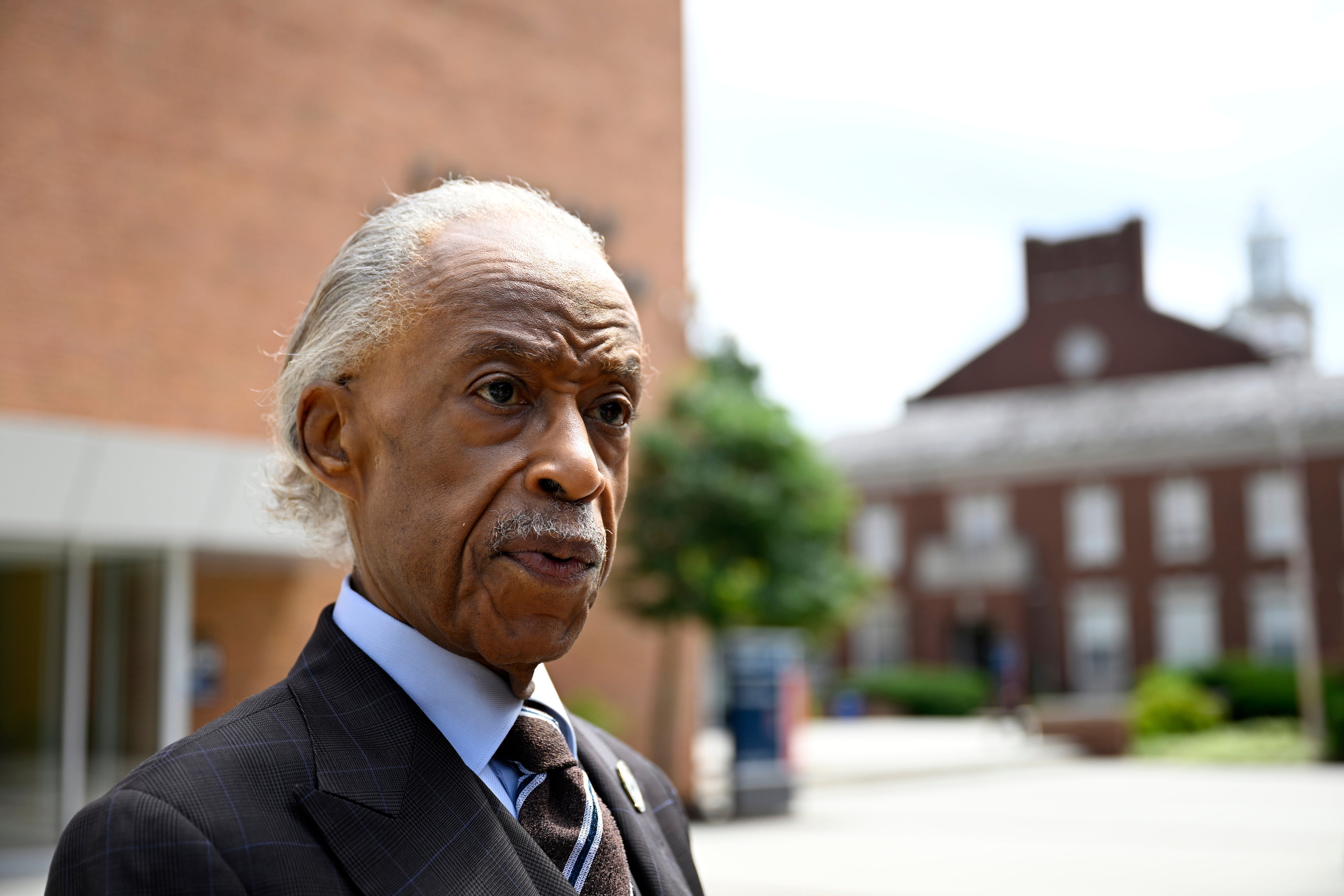
The Rev. Al Sharpton is set to lead a protest march on Wall Street to urge corporate America to resist the Trump administration’s campaign to roll back diversity, equity and inclusion initiatives. The New York civil rights leader will join clergy, labor and community leaders Thursday in a demonstration through Manhattan’s Financial District that’s timed with the anniversary of the Civil Rights-era March on Washington in 1963. Sharpton called DEI the “civil rights fight of our generation." He and other Black leaders have called for boycotting American retailers that scaled backed policies and programs aimed at bolstering diversity and reducing discrimination in their ranks.
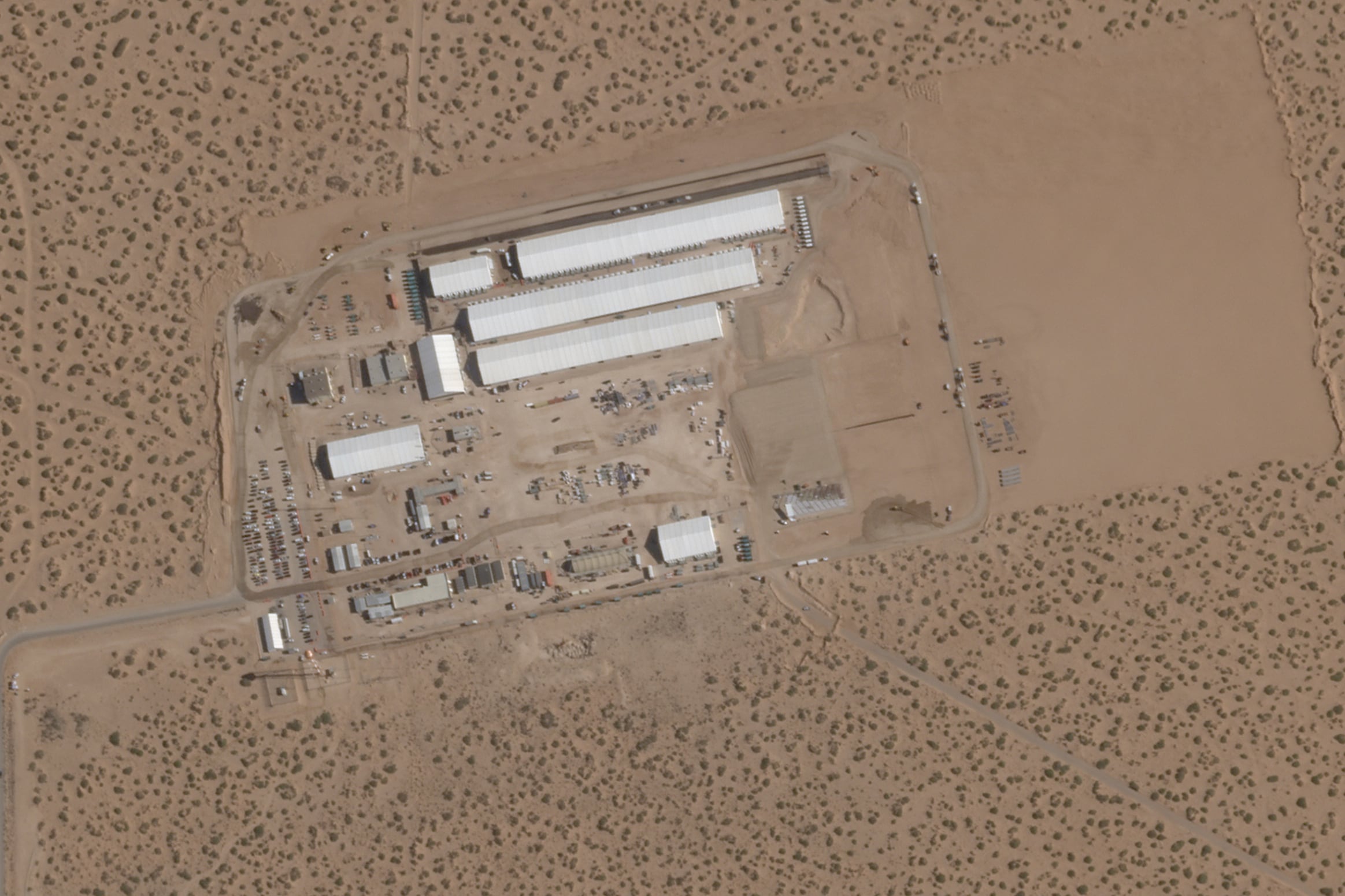
President Donald Trump's administration last month awarded a $1.2 billion contract to build and operate what's expected to become the nation’s largest immigration detention complex to a tiny Virginia firm with no experience running correction facilities.
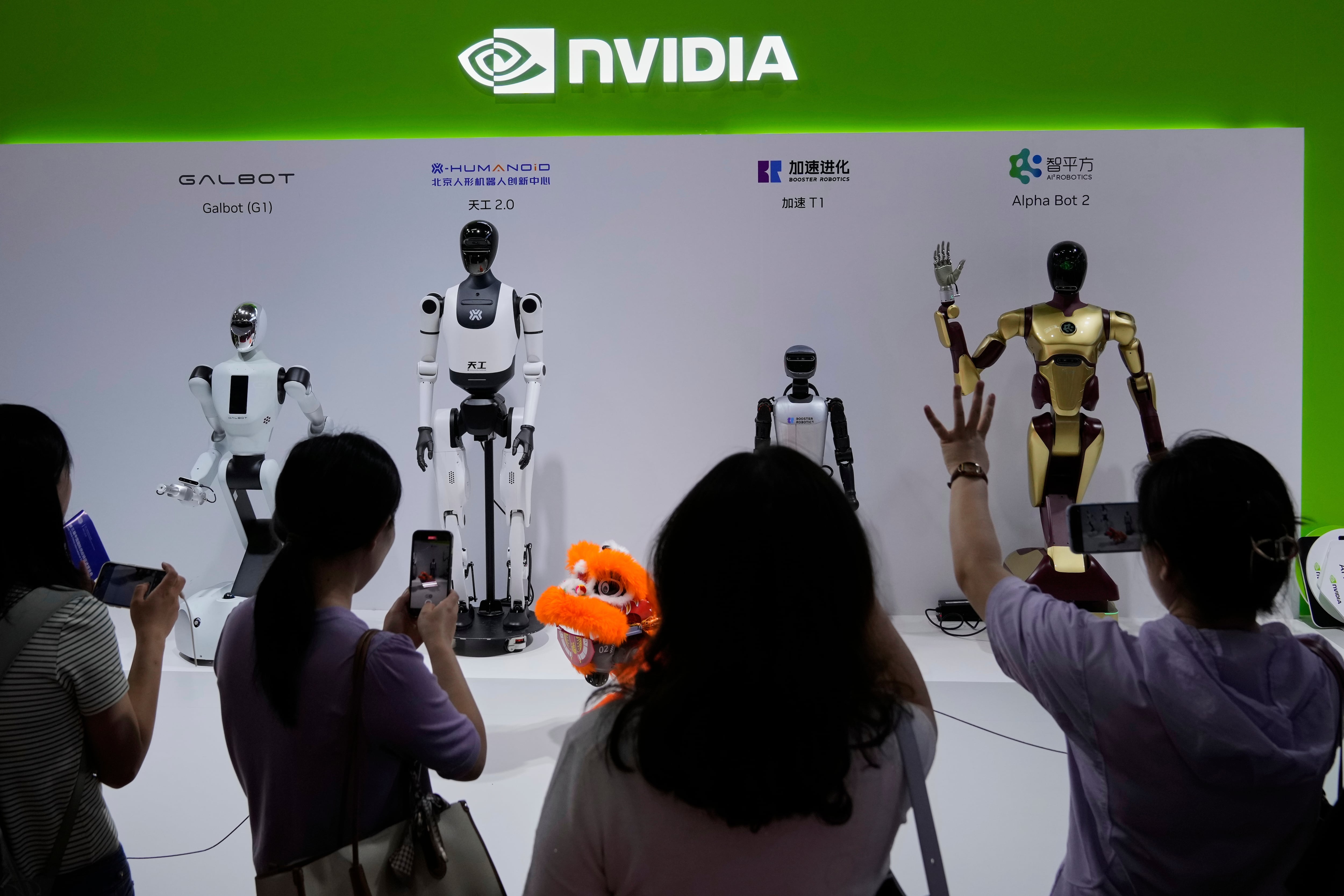
Chipmaker Nvidia is poised to release a quarterly report that could provide a better sense of whether the stock market has been riding an overhyped artificial intelligence bubble or is being propelled by a technological boom that’s still gathering momentum.
Cracker Barrel said late Tuesday it’s returning to its old logo after critics — including President Donald Trump — protested the company’s plan to modernize.
Low-value imports are losing their duty-free status in the U.S. this week as part of President Donald Trump's agenda for making the nation less dependent on foreign goods. A widely used customs exemption for international shipments worth $800 or less is set to end starting on Friday. Trump already ended the “de minimis” rule for inexpensive items sent from China and Hong Kong, but having to pay import taxes on small parcels from everywhere else likely will be a big change for some small businesses and online shoppers. Purchases that previously entered the U.S. without needing to clear customs will be subject to the origin country’s tariff rate, which can range from 10% to 50%.
Southwest Airlines will soon require plus-size travelers to pay for an extra seat in advance if they can't fit within the armrests of one seat. This change is part of several updates the airline is making. The new rule starts on Jan. 27, the same day Southwest begins assigning seats. Currently, plus-size passengers can pay for an extra seat in advance and later get a refund, or request a free extra seat at the airport. Under the new policy, refunds are still possible but not guaranteed. Southwest said in a statement it is updating policies to prepare for assigned seating next year.
Cracker Barrel is sticking with its new logo. For now. But the chain is also apologizing to fans who were angered when the change was announced last week.
Elon Musk on Monday targeted Apple and OpenAI in an antitrust lawsuit alleging that the iPhone maker and the ChatGPT maker are teaming up to thwart competition in artificial intelligence.