A 35-year-old Brooklyn resident gave up buying new clothes. A 22-year old in San Diego swore off retail therapy at Target. A 26-year old in England banned carbonated drinks from her shopping list.
These three women, who don’t know each other, all started the year resolving to spend money only on necessary purchases, or what is popularly known as engaging in a no-buy challenge. The self-imposed rules of the challenge are simple: participants pledge to stop buying non-essential items, be they unneeded shoes, additional beauty products or other impulse buys for a set amount of time, usually 12 months.
What started several years ago as a blogged-about experiment in budgeting and mindful spending has become a popular trend on social media. A Reddit group where people share their experiences has 51,000 members. The challenge primarily gained popularity on TikTok, where some videos of users seeking to hold themselves accountable get hundreds of thousands of views.
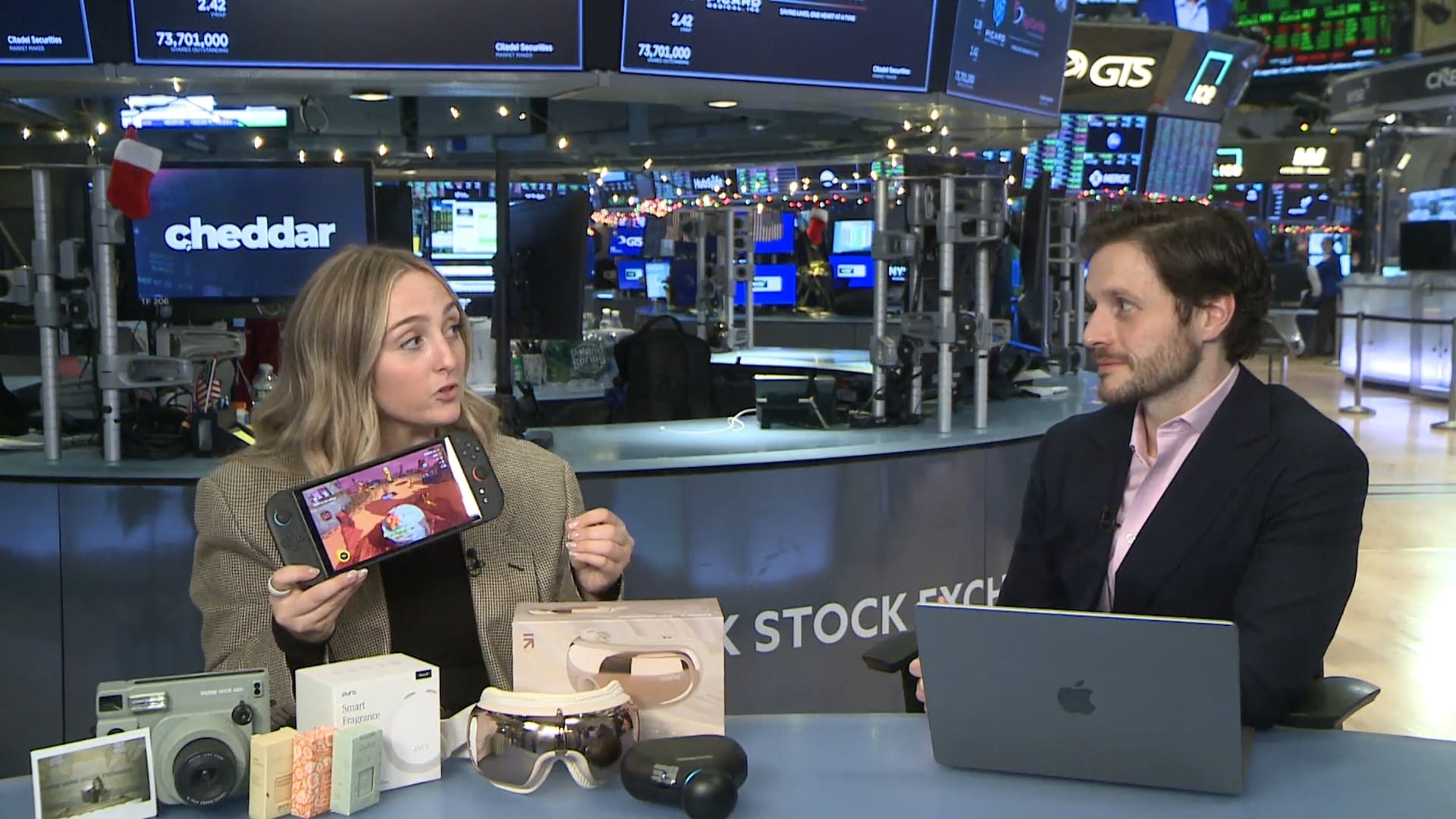
Elysia Berman, a creative director who lives in Brooklyn, decided she needed to drastically change her spending habits after she accumulated a collection of vintage designer clothing and a five-figure credit card debt. Her no-buy pledge included no new clothes, getting makeup and hair products only after she finished the ones she had, and limiting social outings to low- or no-expense activities.
For Berman, adopting a more frugal lifestyle is serving one purpose: paying down her credit card debt. “It wasn’t like I wanted to challenge myself. I’m really in a position where this is a necessary next step for me,” she said.
Both sticking to her pledge and making progress toward her financial goal have proven more difficult than Berman expected. Within two weeks of starting her challenge, she couldn’t resist buying a new beret. Next came a new pair of boots. Although the challenge has helped her reduce her spending, she isn’t accruing savings as much as living within her means.
“Having this lifestyle adjustment, I was anticipating that it would make a huge difference in my ability to pay down my debt,” Berman said.
Talking about any personal financial struggles is difficult for most people, but Berman approached hers head-on by discussing her financial struggles with friends and family and then posting about these issues on social media. The latter action resulted in more exposure than she originally expected; she has over 60,000 followers on TikTok, where a video in which she displayed her empty skin and hair products received over 1 million views.
While the trend has been growing for some time, the beginning of 2024 provided another opportunity for people to gain back agency over their finances following the “doom spending” of the COVID-19 pandemic, according to Courtney Alev, a consumer financial advocate for the personal finance company Credit Karma.
“It’s just people trying to reclaim what’s been a rampant cycle of overspending, to be able to get their financial situation back in order and be able to save money,” Alev said.
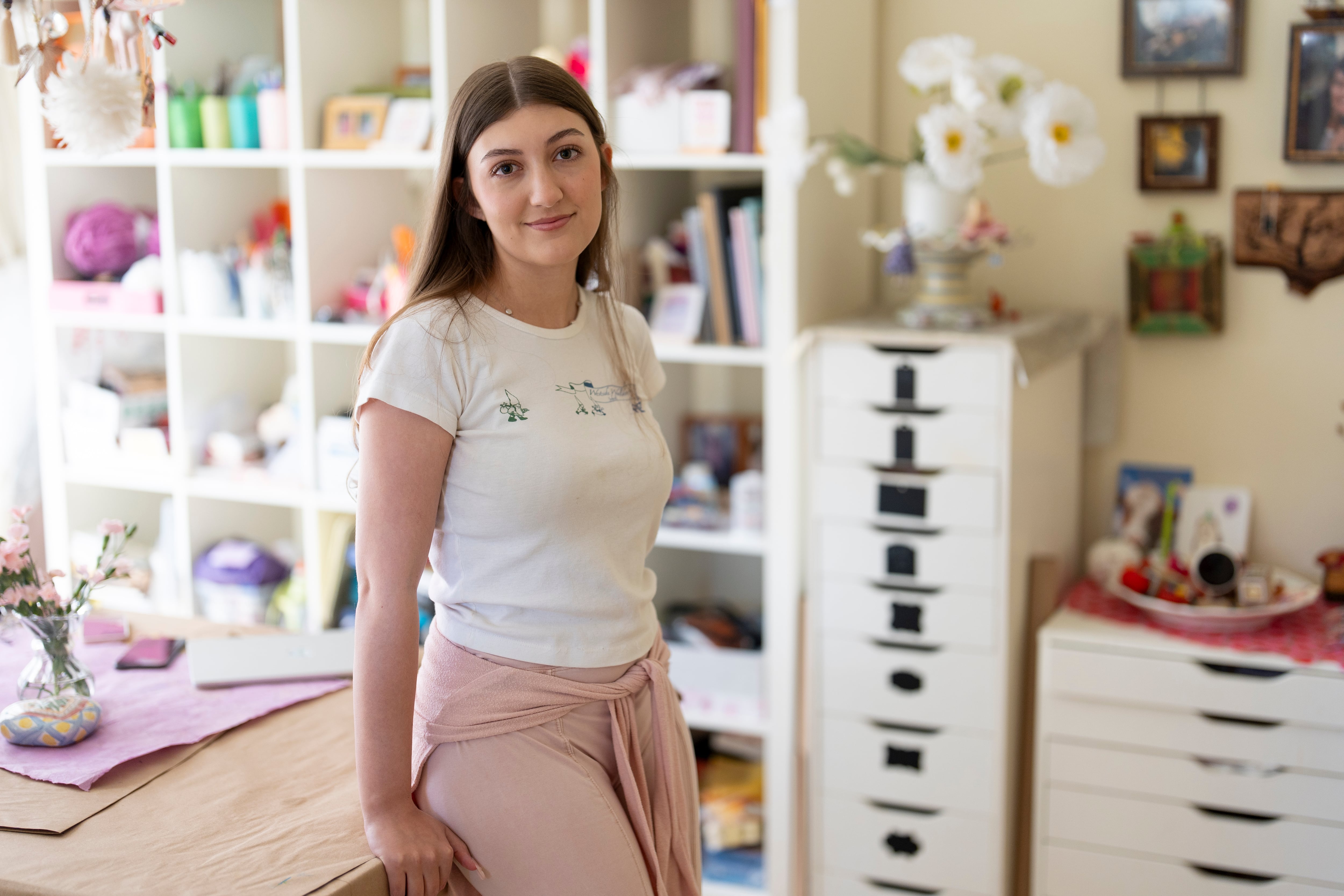
Not everyone electing to join the no-buy trend has debt. Amea Wadsworth, who moved back home to San Diego, California, after graduating college, wanted to use her first full-time job as a chance to save, both the environment and money for her future.
After returning to live with her mom, she began noticing how many things she had that took up space. Working for a sustainability app also has made her more aware of her personal contribution to the world’s mountains of waste.
“I’m tracking everything that I’m spending. I’m writing it all down,” said Wadsworth, who also writes down the times she wants to buy something but doesn’t. She reviews the entries at the end of the month to determine if her purchases were really necessary purchase or a response to a quick craving.
Mia Westrap, a PhD student from Southampton, England, also uses TikTok as a way to keep herself accountable during her no-buy year. Her goal is to save three months’ worth of rent, since she currently lives month-to-month. While Berman’s Achilles’ heel was fashion items, Westrap’s was food and beverages.
“I figured out that I was spending four figures on just carbonated drinks and Pepsi Max,” she said.
Since social activities like going out for dinner or drinks involve spending money, Westrap decided to put a pause on dating during her yearlong no-buy challenge.
“I don’t want to turn up to a date and expect them to pay for me,” she said. “And I also don’t want to get up to date and meet someone and be ‘Oh look, I make these TikToks about not spending any money and here I am,’”
Other no-spend participants give themselves some latitude. Wadsworth, for example, is not buying any physical items but does allow herself to occasionally eat out with friends and the cost of visiting her long-distance boyfriend.
Sabrina Pare, 31, of Detroit, Michigan, approached cutting back on purchases from an environmental perspective. A sustainable living aficionado with a large social media following, Pare decided to participate in the no-buy year as a way to limit her contribution to the world’s waste.
She began by decluttering her closet and then looked for environmentally friendly ways to build a minimalist wardrobe, like hosting a clothing swap and avoiding fashion trends. At every step, Pare brings her followers along by filming short videos and sharing tips.
“If you’re buying less, it’s better for the planet. Overconsumption, it’s such an issue in our society,” she said.
But just as social media can be used for accountability and support when participating in the no-buy year challenge, it’s also one of the reasons many overspend. Berman, for example, stopped following a lot of fashion influencers to reduce the urge to buy things.
Learning to avoid impulsive shopping takes rethinking your habits and becoming aware of your triggers, said Carrie Rattle, CEO of Behavioral Cents, a financial coaching company.
“(The challenge) does help you try to push back against that need for dopamine. Every time we shop, any of us shop, we get that little dopamine hit,” Rattle said.
While the challenge is meant to last for one year, people trying it say they are learning new techniques to help them avoid overspending in the future.
Westrap carries a bag big enough to hold something to read when she leaves her apartment so she won’t have an excuse to buy more books. Pare unsubscribed from newsletters that tempted her to buy clothes and skincare products. Berman dyed her hair back to its natural brown since salon appointments to keep the color bright blonde were costly.
“My consumer habits have changed so much through this,” Berman said. “Just because you see all the waste and you’re like, ‘Why is this necessary? Why buy a million little things when you can just buy one big thing, and it’s even better if it’s refillable.’”
After she makes a significant dent in the credit card debt, Berman hopes to start saving and investing. Wadsworth plans to focus on spending her money on experiences with her loves ones rather than material things. Pare hopes to pay off her student loans.
Wadsworth advises anyone who hears of the no-buy challenge and can’t imagine doing one to give it a try, even if it’s just for a month.
“They say that it sounds so hard and yeah, it sounded hard to me, too. But if it sounds so terrifying to you, it probably means that you need it,” she said.