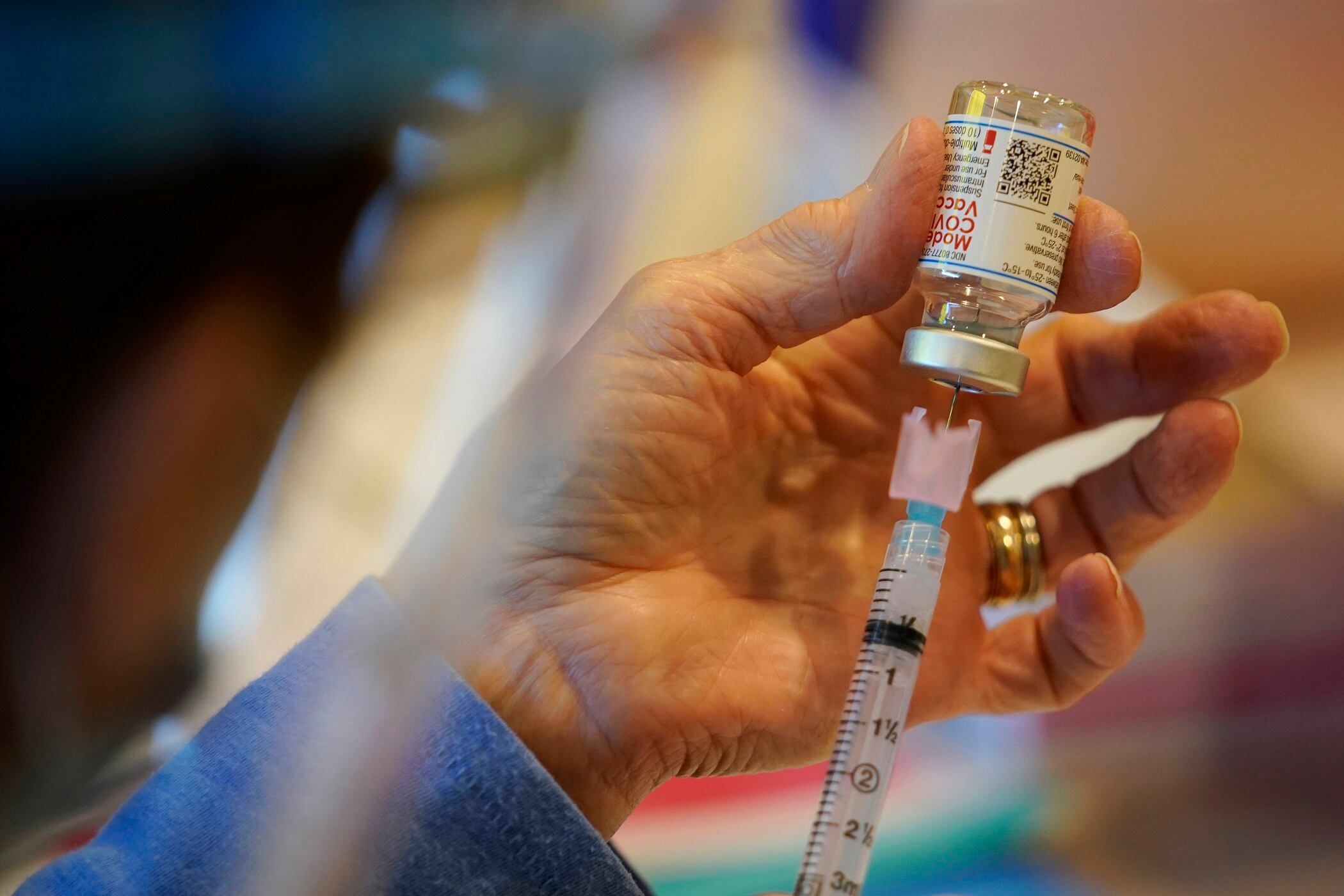
In this Dec. 29, 2020, file photo a Chester County, Pa., Health Department worker fills a syringe with Moderna COVID-19 vaccine before administering it at the Chester County Government Services Center in West Chester, Pa. Moderna said Monday, Oct. 25, 2021 that a low dose of its COVID-19 vaccine is safe and appears to work in 6- to 11-year-olds. It is the second U.S. vaccine aimed at eventually being offered to children. (AP Photo/Matt Slocum, File)
By Lauran Neergaard
Moderna said Monday that a low dose of its COVID-19 vaccine is safe and appears to work in 6- to 11-year-olds, as the manufacturer joins its rival Pfizer in moving toward expanding shots to children.
Pfizer's kid-size vaccine doses are closer to widespread use. They are undergoing evaluation by the Food and Drug Administration for youngsters in nearly the same age group, 5 to 11, and could be available by early November. The company's vaccine already is authorized for anyone 12 or older.
Moderna hasn't yet gotten the go-ahead to offer its vaccine to teens but is studying lower doses in younger children while it waits.
Researchers tested two shots for the 6- to 11-year-olds, given a month apart, that each contained half the dose given to adults. Preliminary results showed vaccinated children developed virus-fighting antibodies similar to levels that young adults produce after full-strength shots, Moderna said in a news release.
The study involved 4,753 children ages 6 to 11 who got either the vaccine or dummy shots. Moderna said that like adults, the vaccinated youngsters had temporary side effects including fatigue, headache, fever and injection site pain.
The study was too small to spot any extremely rare side effects, such as heart inflammation that sometimes occurs after either the Moderna or Pfizer vaccines, mostly among young men.
Moderna released no further details and hasn't submitted its data to a scientific journal but said it plans to share the interim results with the FDA and global regulators soon. The study is still going on, and the company cannot calculate the vaccine's effectiveness in actually preventing infections in children unless there are sufficient COVID-19 cases to compare rates between vaccinated and unvaccinated participants.
The FDA hasn’t yet ruled on the company’s application to expand its vaccinations to 12- to 17-year-olds, although some countries have cleared Moderna’s shots for adolescents.
But the U.S. is expected to begin vaccinating children under 12 sometime next month, if the FDA clears low doses of the Pfizer vaccine for 5- to 11-year-olds. Pfizer reported last week that its kid-size doses proved nearly 91% effective at preventing symptomatic COVID-19 in that age group, even as the extra-contagious delta variant was spreading widely.
FDA's advisers will weigh Pfizer's evidence in a public meeting Tuesday. If the agency authorizes Pfizer's kid shots, the Centers for Disease Control and Prevention the following week is set to recommend who should receive them.
___
The Associated Press Health and Science Department receives support from the Howard Hughes Medical Institute’s Department of Science Education. The AP is solely responsible for all content.
The New York Times and President Donald Trump are fighting again. The news outlet said Wednesday it won't be deterred by Trump's “false and inflammatory language” from writing about the 79-year-old president's health. The Times has done a handful of stories on that topic recently, including an opinion column that said Trump is “starting to give President Joe Biden vibes.” In a Truth Social post, Trump said it might be treasonous for outlets like the Times to do “FAKE” reports about his health and "we should do something about it.” The Republican president already has a pending lawsuit against the newspaper for its past reports on his finances.
OpenAI has appointed Slack CEO Denise Dresser as its first chief of revenue. Dresser will oversee global revenue strategy and help businesses integrate AI into daily operations. OpenAI CEO Sam Altman recently emphasized improving ChatGPT, which now has over 800 million weekly users. Despite its success, OpenAI faces competition from companies like Google and concerns about profitability. The company earns money from premium ChatGPT subscriptions but hasn't ventured into advertising. Altman had recently announced delays in developing new products like AI agents and a personal assistant.
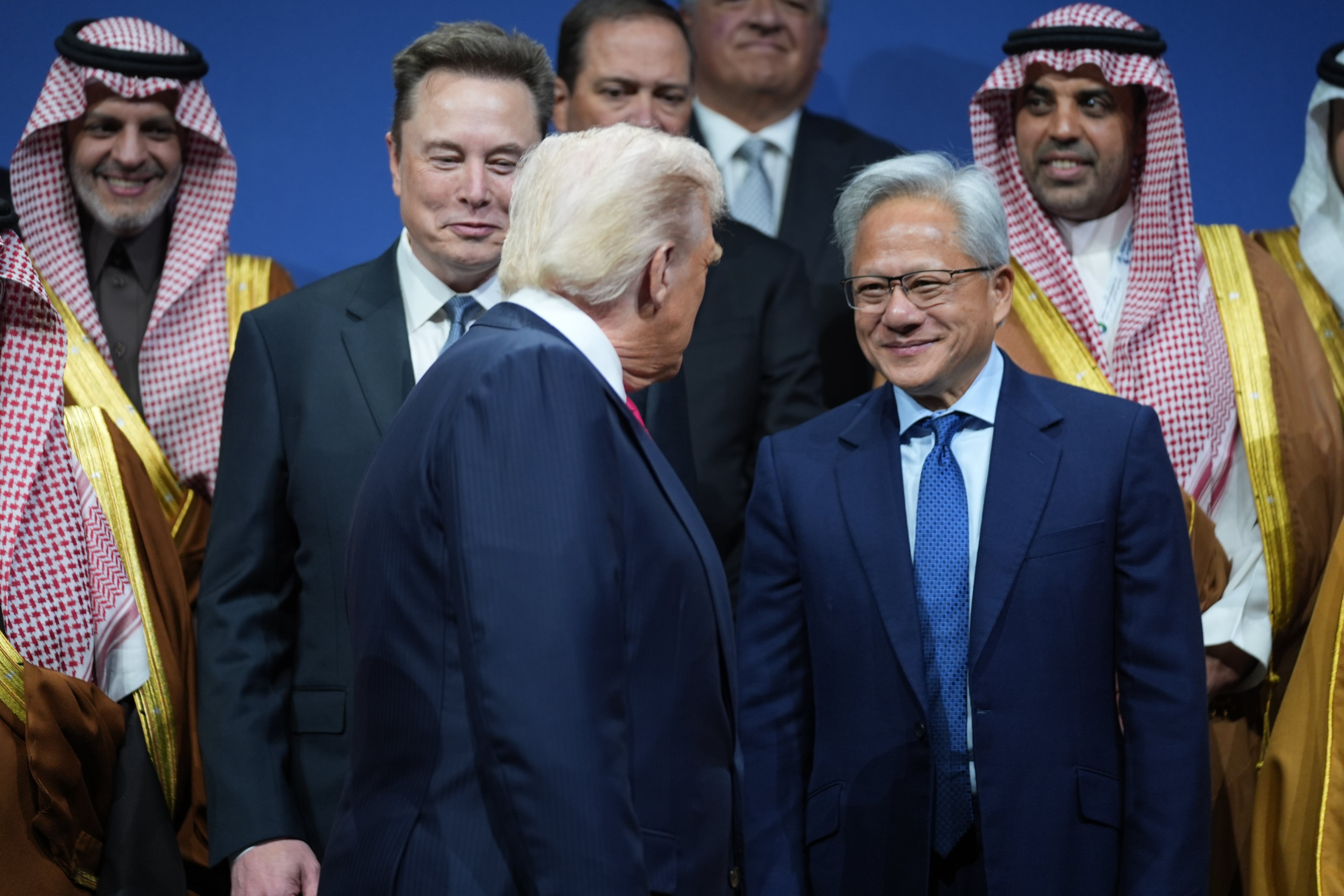
President Donald Trump says he will allow Nvidia to sell its H200 computer chip used in the development of artificial intelligence to “approved customers” in China. Trump said Monday on his social media site that he had informed China’s leader Xi Jinping and “President Xi responded positively!” There had been concerns about allowing advanced computer chips into China as it could help them to compete against the U.S. in building out AI capabilities. But there has also been a desire to develop the AI ecosystem with American companies such as chipmaker Nvidia.
U.S. sports betting is booming as NFL and college football fuel massive activity. BetMGM CEO Adam Greenblatt breaks down trends, growth, and what’s next.
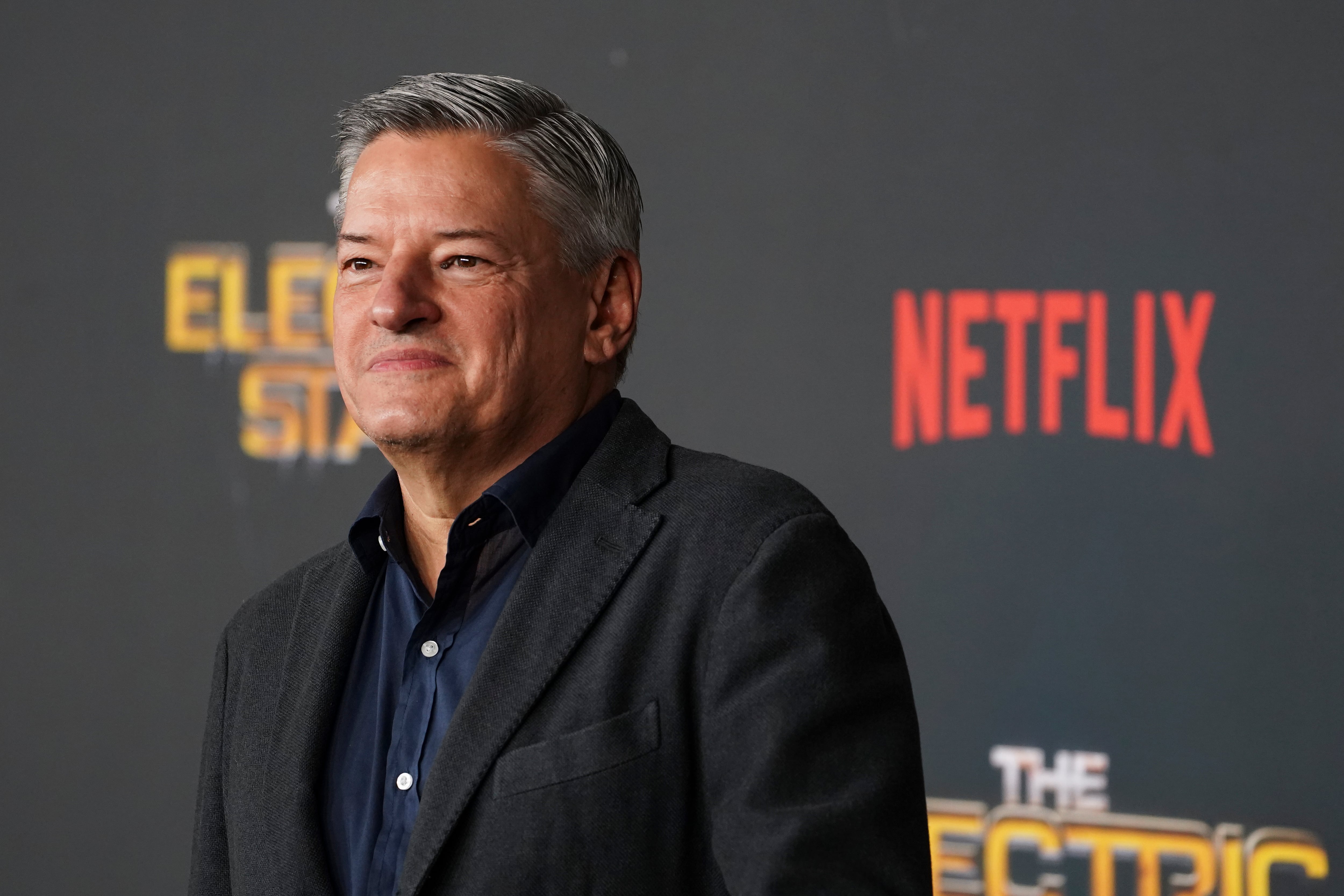
President Donald Trump says a deal struck by Netflix last week to buy Warner Bros. Discovery “could be a problem” because of the size of the combined market share. The Republican president says he will be involved in the decision about whether federal regulators should approve the deal. Trump commented Sunday when he was asked about the deal as he walked the red carpet at the Kennedy Center Honors. The $72 billion deal would bring together two of the biggest players in television and film and potentially reshape the entertainment industry.
Disney's changes to a program for disabled visitors are facing challenges in federal court and through a shareholder proposal. The Disability Access Service program, which allows disabled visitors to skip long lines, was overhauled last year. Disney now mostly limits the program to those with developmental disabilities like autism who have difficulty waiting in lines. The changes have sparked criticism from some disability advocates. A shareholder proposal submitted by disability advocates calls for an independent review of Disney's disability policies. Disney plans to block this proposal, claiming it's misleading. It's the latest struggle by Disney to accommodate disabled visitors while stopping past abuses by some theme park guests.
With a merger this big, creators, studios, and theaters all face uncertain futures. Here’s what experts are worried about and what good could come from it.
With disengagement rising and hybrid work shifting, 'Everybody Matters' author Bob Chapman explains why treating people well could define the future of work.