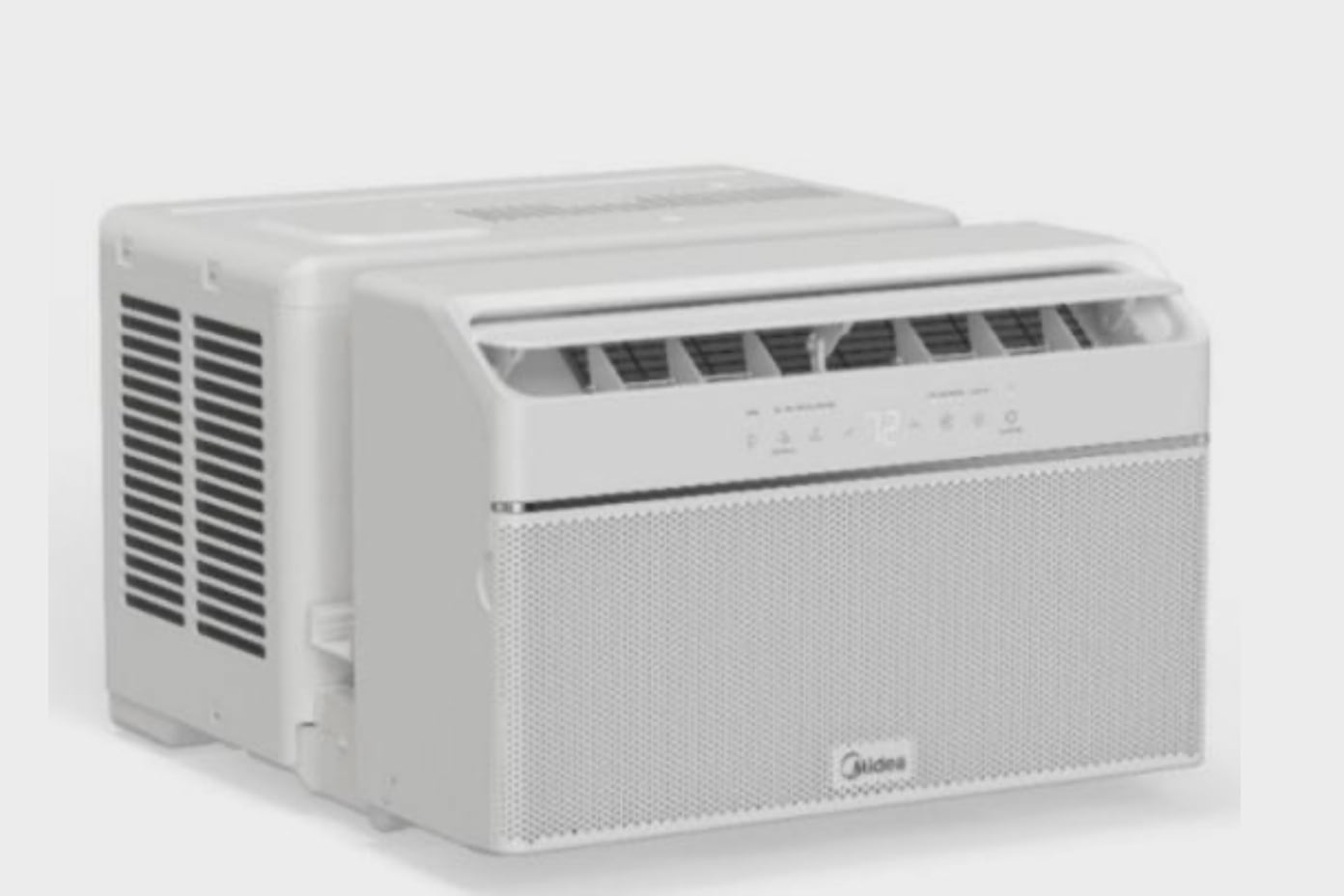
Midea is voluntarily recalling about 1.7 million of its popular U and U+ Smart air conditioners because pooled water in the units may not drain fast enough, leading to mold growth.
The news comes as temperatures are rising across the U.S. and the official start of summer rapidly approaches.
The Midea air conditioners fit in windows and resonated with consumers because of their unique design, which allows consumers to close their window ‘through’ the unit.
The U.S. Consumer Product Safety Commission said that the recall also includes approximately 45,900 units sold in Canada.
There’s been at least 152 reports of mold in the air conditioners. This includes 17 reports of consumers experiencing symptoms such as respiratory infections, allergic reactions, coughing, sneezing and sore throats from mold exposure.
The white air conditioners have brand names including Midea, Comfort Aire, Danby, Frigidaire, Insignia, Keystone, LBG Products, Mr. Cool, Perfect Aire and Sea Breeze. They were sold in three sizes of cooling power: 8,000, 10,000 and 12,000 BTU.
The air conditioners were sold from March 2020 through May 2025 for between $280 and $500 at Costco, Menards, Home Depot, Best Buy and other stores across the country. They were also sold online through various websites including those of Midea, Amazon, Costco and Home Depot.
Consumers can contact Midea for a repair or a refund that will be based on the purchase date or manufacture date. Individuals who want a refund will need to send the unit back to Midea with a free shipping label or submit a photograph showing that they cut the unit’s unplugged power cord.
Those who want a repair should contact Midea to have a technician install a new drain plug or be sent a repair kit that includes a new drain plug and bubble level, depending on the model.
Consumers who want to continue using their air conditioners while waiting for a repair should visit www.MideaUrecall.expertinquiry.com to find out how to inspect their unit before continuing to use it.
Individuals can visit www.midea.com/us and click on “Recall Information” for more information or call 888-345-0256 from 8 a.m. to 5 p.m. ET Monday through Friday.
Spain's government has fined Airbnb 64 million euros or $75 million for advertising unlicensed tourist rentals. The consumer rights ministry announced the fine on Monday. The ministry stated that many listings lacked proper license numbers or included incorrect information. The move is part of Spain's ongoing efforts to regulate short-term rental companies amid a housing affordability crisis especially in popular urban areas. The ministry ordered Airbnb in May to remove around 65,000 listings for similar violations. The government's consumer rights minister emphasized the impact on families struggling with housing. Airbnb said it plans to challenge the fine in court.
The Islamic State group and other militant organizations are experimenting with artificial intelligence as a tool to boost recruitment and refine their operations. National security experts say that just as businesses, governments and individuals have embraced AI, extremist groups also will look to harness the power of AI. That means aiming to improve their cyberattacks, breaking into sensitive networks and creating deepfakes that spread confusion and fear. Leaders in Washington have responded with calls to investigate how militant groups are using AI and seek ways to encourage tech companies to share more about how their products are being potentially misused.
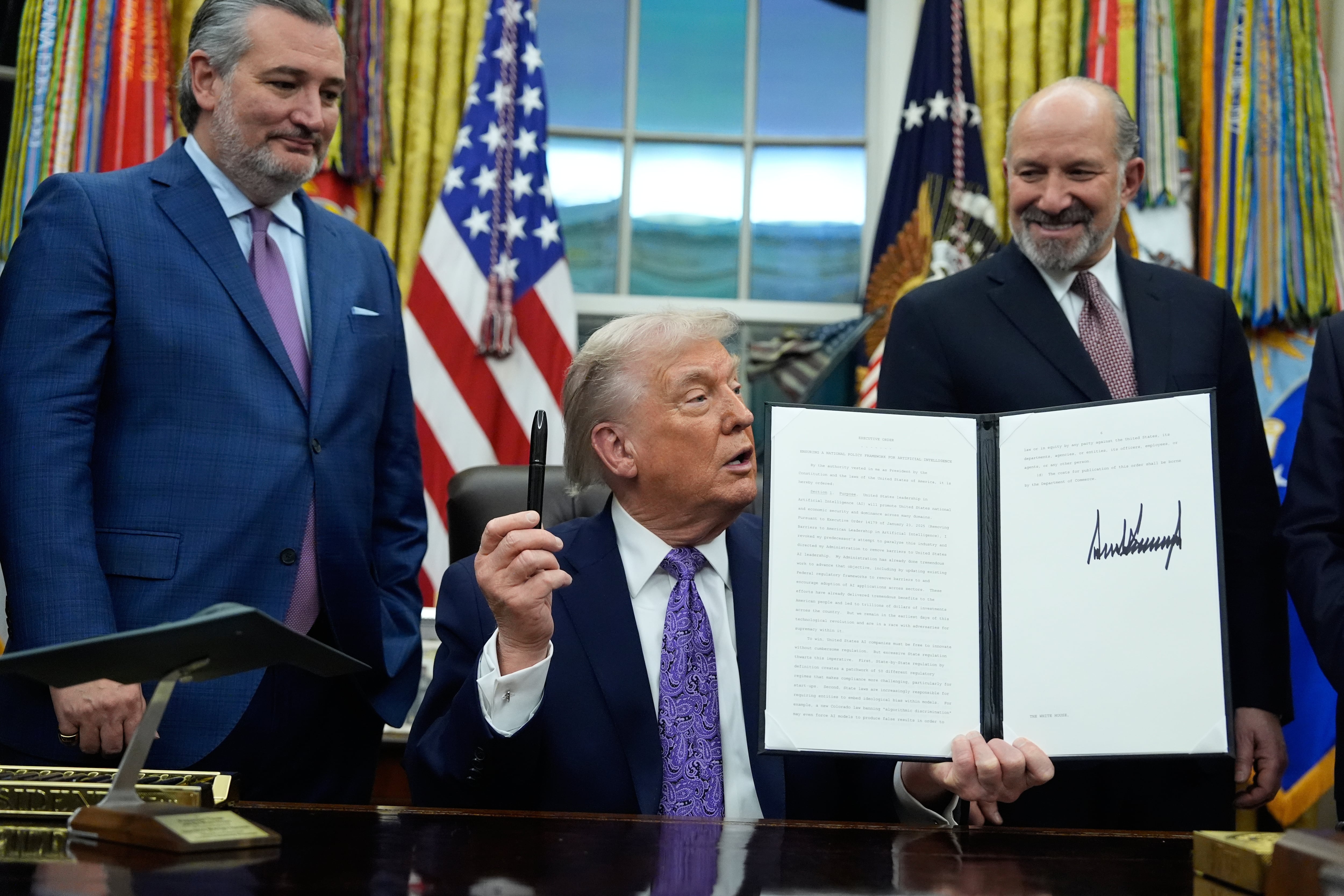
President Donald Trump has signed an executive order to block states from regulating artificial intelligence. He argues that heavy regulations could stifle the industry, especially given competition from China. Trump says the U.S. needs a unified approach to AI regulation to avoid complications from state-by-state rules. The order directs the administration to draw up a list of problematic regulations for the Attorney General to challenge. States with laws could lose access to broadband funding, according to the text of the order. Some states have already passed AI laws focusing on transparency and limiting data collection.
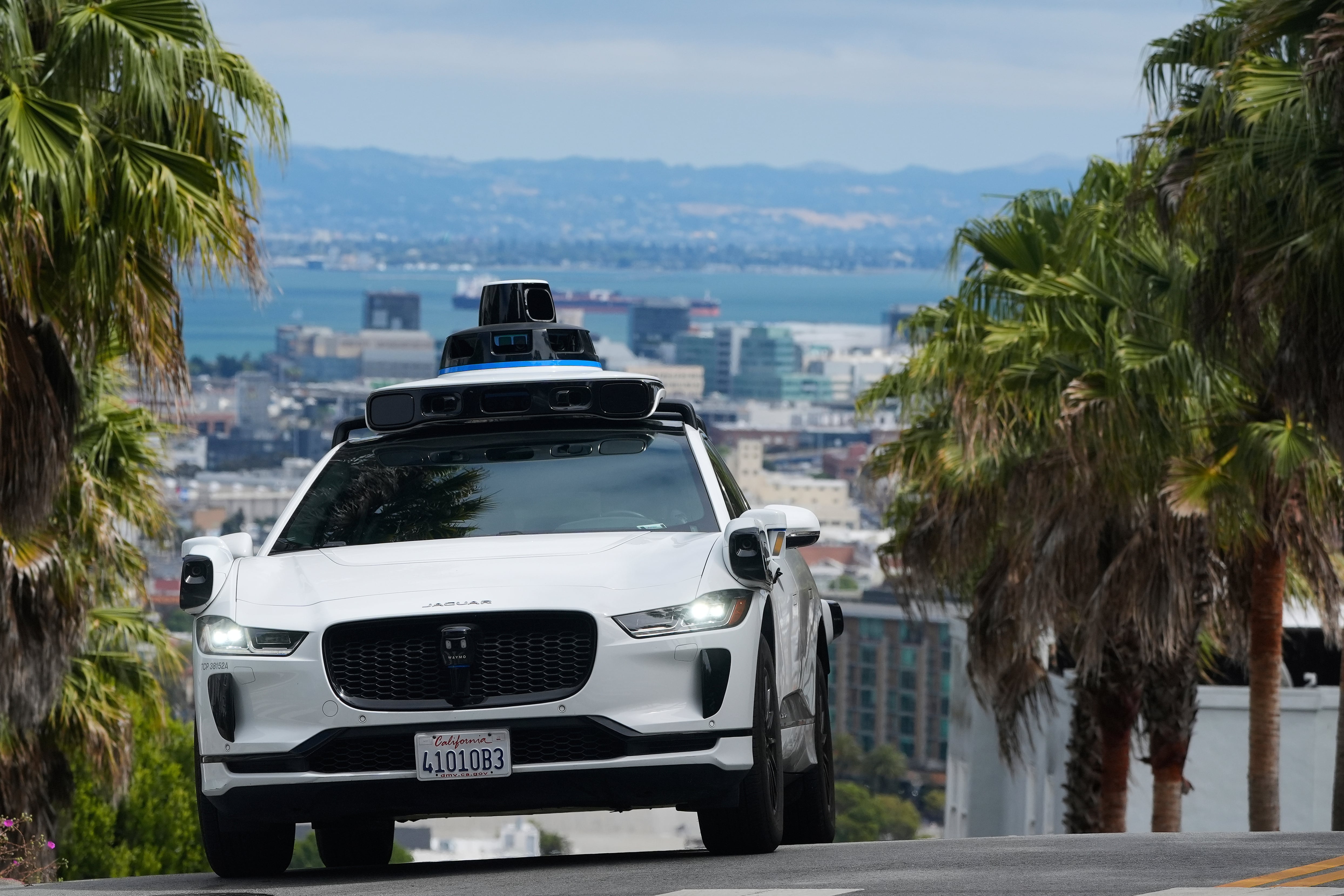
Waymo's self-driving taxis have been in the spotlight for both negative and positive reasons. This week, the automated ride-hailing taxis went viral after a San Francisco woman gave birth inside a Waymo taxi while on her way to the hospital. A Waymo spokesperson on Wednesday confirmed the unusual delivery. It said the company's rider support team detected unusual activity inside the vehicle and alerted 911. The taxi arrived safely at the hospital before emergency services. Waymo's popularity is growing despite heightened scrutiny following an illegal U-turn and the death of a San Francisco cat. The company, owned by Alphabet, says it is proud to serve riders of all ages.
OpenAI has appointed Slack CEO Denise Dresser as its first chief of revenue. Dresser will oversee global revenue strategy and help businesses integrate AI into daily operations. OpenAI CEO Sam Altman recently emphasized improving ChatGPT, which now has over 800 million weekly users. Despite its success, OpenAI faces competition from companies like Google and concerns about profitability. The company earns money from premium ChatGPT subscriptions but hasn't ventured into advertising. Altman had recently announced delays in developing new products like AI agents and a personal assistant.
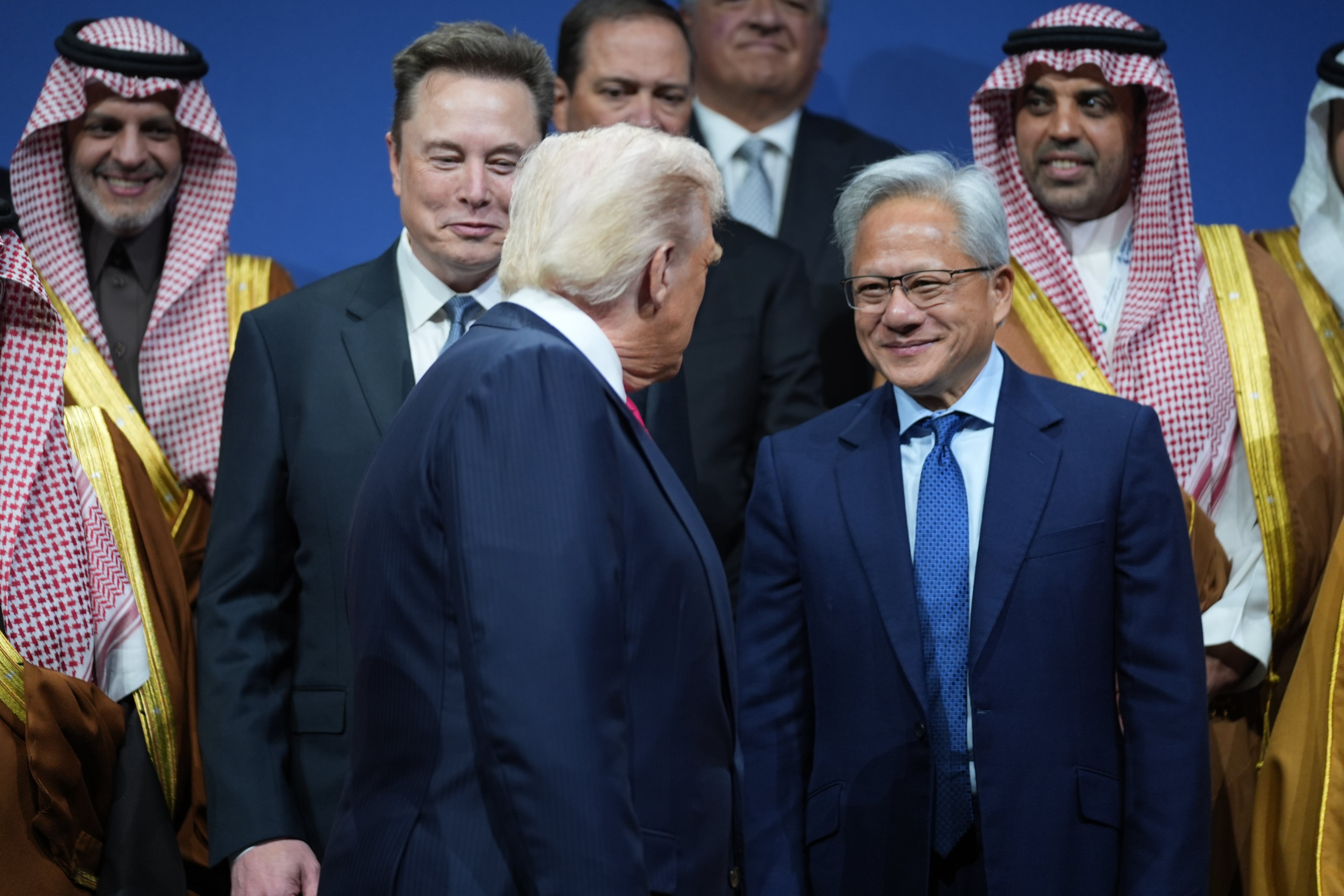
President Donald Trump says he will allow Nvidia to sell its H200 computer chip used in the development of artificial intelligence to “approved customers” in China. Trump said Monday on his social media site that he had informed China’s leader Xi Jinping and “President Xi responded positively!” There had been concerns about allowing advanced computer chips into China as it could help them to compete against the U.S. in building out AI capabilities. But there has also been a desire to develop the AI ecosystem with American companies such as chipmaker Nvidia.