WASHINGTON (AP) — The fate and fortunes of one of the world’s most powerful tech companies now sit in the hands of a U.S. judge wrestling with whether to impose far-reaching changes upon Google in the wake of its dominant search engine being declared an illegal monopoly.
U.S. District Judge Amit Mehta heard closing arguments Friday from Justice Department lawyers who argued that a radical shake-up is needed to promote a free and fair market. Their proposed remedies include a ban on Google paying to lock its search engine in as the default on smart devices and an order requiring the company to sell its Chrome browser.
Google’s legal team argued that only minor concessions are needed and urged Mehta not to unduly punish the company with a harsh ruling that could squelch future innovations. Google also argued that upheaval triggered by advances in artificial intelligence already is reshaping the search landscape, as conversational search options are rolling out from AI startups that are hoping to use the Department of Justice’s four-and-half-year-old case to gain the upper hand in the next technological frontier.
It was an argument that Mehta appeared to give serious consideration as he marveled at the speed at which the AI industry was growing. He also indicated he was still undecided on how much AI’s potential to shake up the search market should be incorporated in his forthcoming ruling. “This is what I’ve been struggling with,” Mehta said.
Mehta spoke frequently at Friday’s hearing, often asking probing and pointed questions to lawyers for both sides, while hinting that he was seeking a middle ground between the two camps’ proposed remedies.
“We’re not looking to kneecap Google,” the judge said, adding that the goal was to “kickstart” competitors’ ability to challenge the search giant’s dominance.
Mehta will spend much of the summer mulling a decision that he plans to issue before Labor Day. Google has already vowed to appeal the ruling that branded its search engine as a monopoly, a step it can’t take until the judge orders a remedy.
Google’s attorney John Schmidtlein asked Mehta to put a 60-day delay on implementing any proposed changes, which Justice prosecutor David Dahlquist immediately objected to.
“We believe the market’s waited long enough,” Dahlquist said.
While both sides of this showdown agree that AI is an inflection point for the industry’s future, they have disparate views on how the shift will affect Google.
The Justice Department contends that AI technology by itself won’t rein in Google’s power, arguing additional legal restraints must be slapped on a search engine that’s the main reason its parent company, Alphabet Inc., is valued at $2 trillion.
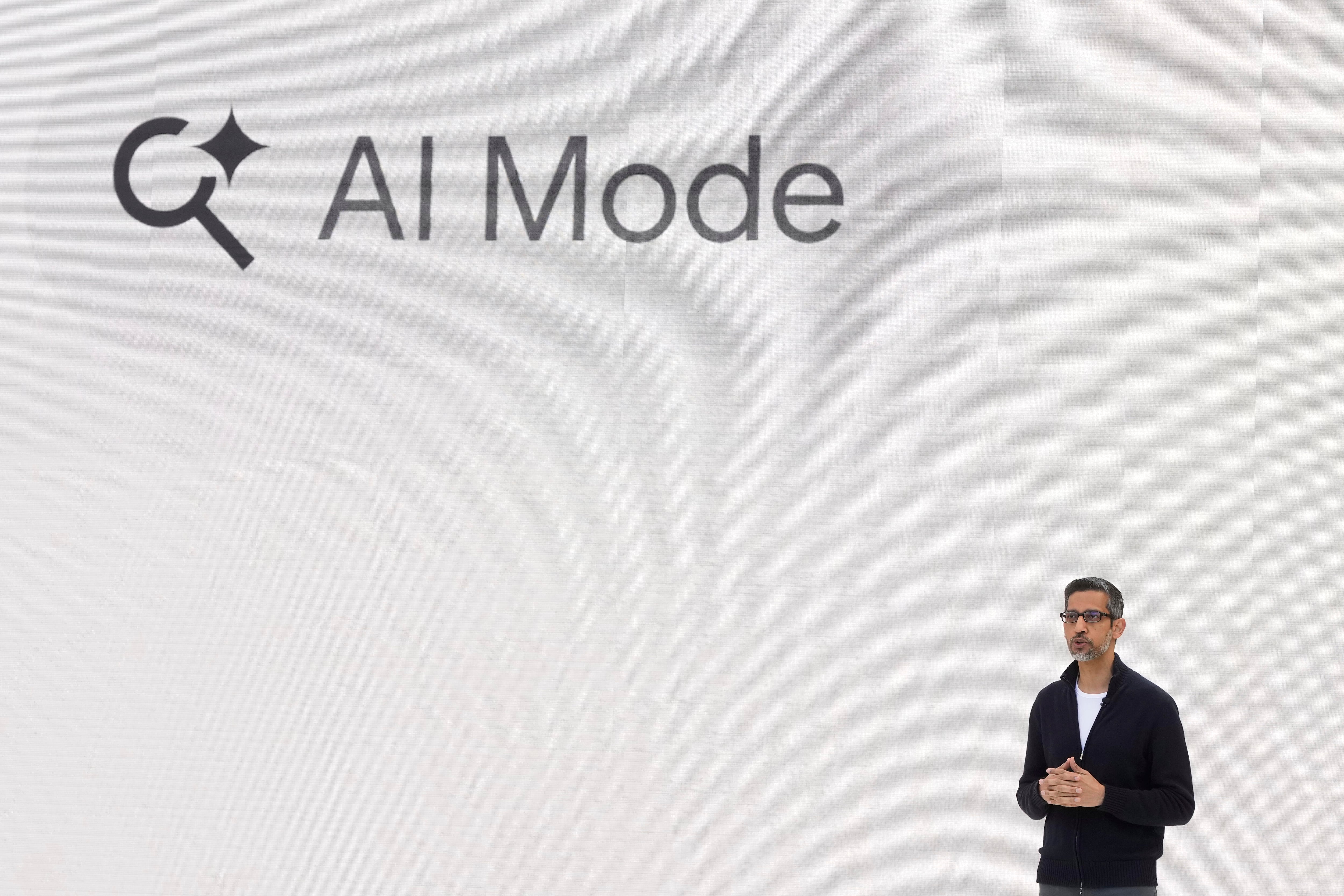
Google has already been deploying AI to transform its search engine i nto an answer engine, an effort that has so far helped maintain its perch as the internet’s main gateway despite inroads being made by alternatives from the likes of OpenAI and Perplexity.
The Justice Department contends a divestiture of the Chrome browser that Google CEO Sundar Pichai helped build nearly 20 years ago would be among the most effective countermeasures against Google continuing to amass massive volumes of browser traffic and personal data that could be leveraged to retain its dominance in the AI era. Executives from both OpenAi and Perplexity testified last month that they would be eager bidders for the Chrome browser if Mehta orders its sale.
The debate over Google’s fate also has pulled in opinions from Apple, mobile app developers, legal scholars and startups.
Apple, which collects more than $20 billion annually to make Google the default search engine on the iPhone and its other devices, filed briefs arguing against the Justice Department’s proposed 10-year ban on such lucrative lock-in agreements. Apple told the judge that prohibiting the contracts would deprive the company of money that it funnels into its own research, and that the ban might even make Google even more powerful because the company would be able to hold onto its money while consumers would end up choosing its search engine anyway. The Cupertino, California, company also told the judge a ban wouldn’t compel it to build its own search engine to compete against Google.
In other filings, a group of legal scholars said the Justice Department’s proposed divestiture of Chrome would be an improper penalty that would inject unwarranted government interference in a company’s business. Meanwhile, former Federal Trade Commission officials James Cooper and Andrew Stivers warned that another proposal that would require Google to share its data with rival search engines “does not account for the expectations users have developed over time regarding the privacy, security, and stewardship” of their personal information.
Mehta said Friday that compared to some of the Justice Department’s other proposals, there was “less speculation” about what might happen in the broader market if Google were forced to divest of Chrome. Schmidtlein said that was untrue, and such a ruling would be a wild overreach.
“I think that would be inequitable in the extreme,” he said.
Dahlquist mocked some of the arguments against divesting Chrome.
“Google thinks it’s the only one who can invest things,” he said.