Facebook's Meta logo sign is seen at the company headquarters in Menlo Park, Calif. on Oct. 28, 2021. Dec. 8, 2022, in San Jose, California. (AP Photo/Tony Avelar, File)
Facebook and Instagram users will start seeing labels on AI-generated images that appear on their social media feeds, part of a broader tech industry initiative to sort between what’s real and not.
Meta said Tuesday it's working with industry partners on technical standards that will make it easier to identify images and eventually video and audio generated by artificial intelligence tools.
What remains to be seen is how well it will work at a time when it's easier than ever to make and distribute AI-generated imagery that can cause harm — from election misinformation to nonconsensual fake nudes of celebrities.
“It's kind of a signal that they’re taking seriously the fact that generation of fake content online is an issue for their platforms,” said Gili Vidan, an assistant professor of information science at Cornell University. It could be “quite effective” in flagging a large portion of AI-generated content made with commercial tools, but it won't likely catch everything, she said.
Meta's president of global affairs, Nick Clegg, didn’t specify Tuesday when the labels would appear but said it will be “in the coming months” and in different languages, noting that a “number of important elections are taking place around the world.”
“As the difference between human and synthetic content gets blurred, people want to know where the boundary lies,” he said in a blog post.
Meta already puts an “Imagined with AI” label on photorealistic images made by its own tool, but most of the AI-generated content flooding its social media services comes from elsewhere.
A number of tech industry collaborations, including the Adobe-led Content Authenticity Initiative, have been working to set standards. A push for digital watermarking and labeling of AI-generated content was also part of an executive order that U.S. President Joe Biden signed in October.
Clegg said that Meta will be working to label “images from Google, OpenAI, Microsoft, Adobe, Midjourney, and Shutterstock as they implement their plans for adding metadata to images created by their tools.”
Google said last year that AI labels are coming to YouTube and its other platforms.
"In the coming months, we’ll introduce labels that inform viewers when the realistic content they’re seeing is synthetic,” YouTube CEO Neal Mohan reiterated in a year-ahead blog post Tuesday.
One potential concern for consumers is if tech platforms get more effective at identifying AI-generated content from a set of major commercial providers but miss what's made with other tools, creating a false sense of security.
“There’s a lot that would hinge on how this is communicated by platforms to users,” said Cornell's Vidan. “What does this mark mean? With how much confidence should I take it? What is its absence supposed to tell me?”
Wealthfront’s CFO Alan Iberman talks the $2.05B IPO and the major moment for robo banking as the company bets on AI, automation, and “self-driving money."
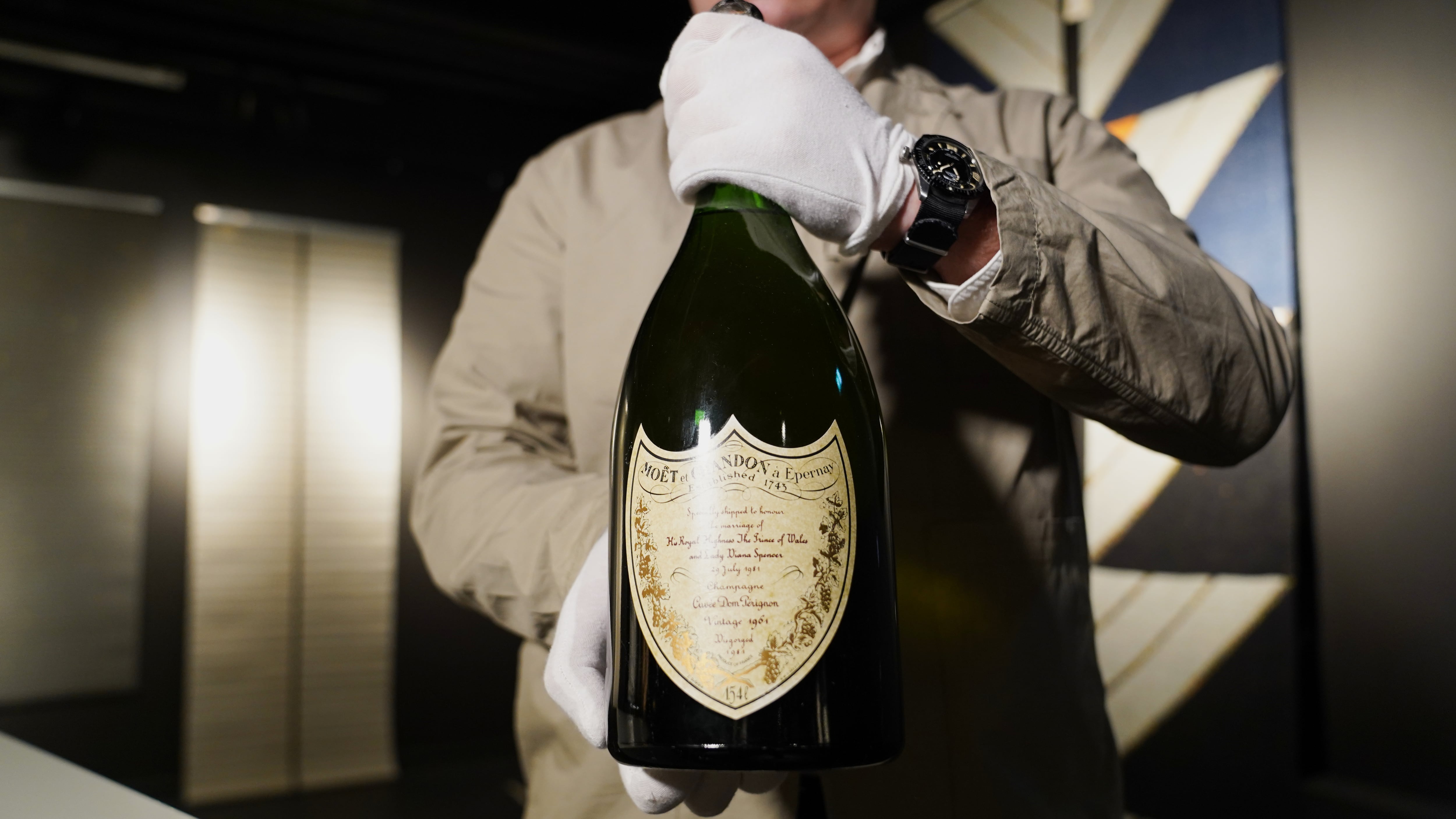
A rare magnum of Dom Pérignon Vintage 1961 champagne that was specially produced for the 1981 wedding of Prince Charles and Lady Diana has failed to sell during an auction. Danish auction house Bruun Rasmussen handled the bidding Thursday. The auction's house website lists the bottle as not sold. It was expected to fetch up to around $93,000. It is one of 12 bottles made to celebrate the royal wedding. Little was revealed about the seller. The auction house says the bids did not receive the desired minimum price.
The New York Times and President Donald Trump are fighting again. The news outlet said Wednesday it won't be deterred by Trump's “false and inflammatory language” from writing about the 79-year-old president's health. The Times has done a handful of stories on that topic recently, including an opinion column that said Trump is “starting to give President Joe Biden vibes.” In a Truth Social post, Trump said it might be treasonous for outlets like the Times to do “FAKE” reports about his health and "we should do something about it.” The Republican president already has a pending lawsuit against the newspaper for its past reports on his finances.
OpenAI has appointed Slack CEO Denise Dresser as its first chief of revenue. Dresser will oversee global revenue strategy and help businesses integrate AI into daily operations. OpenAI CEO Sam Altman recently emphasized improving ChatGPT, which now has over 800 million weekly users. Despite its success, OpenAI faces competition from companies like Google and concerns about profitability. The company earns money from premium ChatGPT subscriptions but hasn't ventured into advertising. Altman had recently announced delays in developing new products like AI agents and a personal assistant.
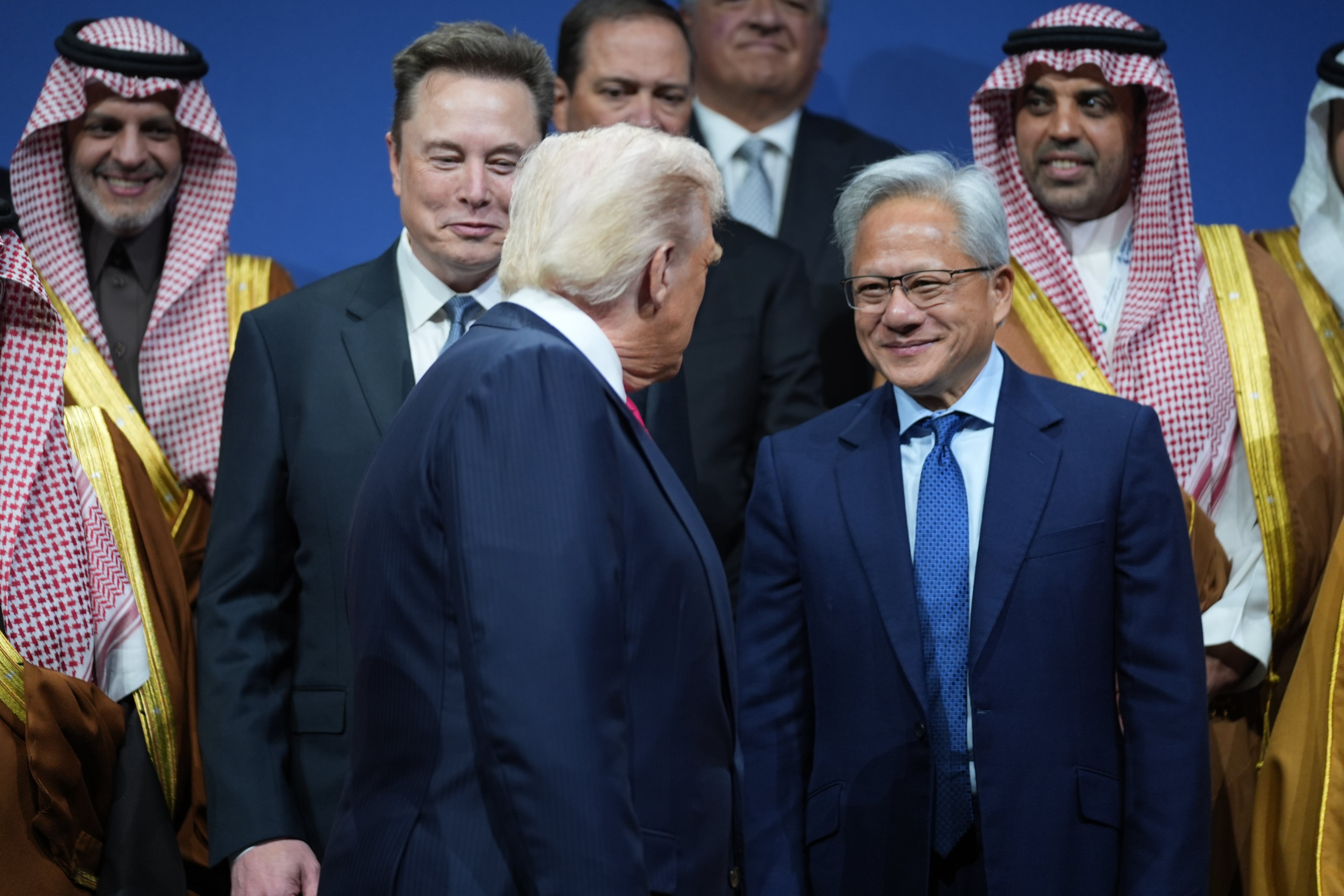
President Donald Trump says he will allow Nvidia to sell its H200 computer chip used in the development of artificial intelligence to “approved customers” in China. Trump said Monday on his social media site that he had informed China’s leader Xi Jinping and “President Xi responded positively!” There had been concerns about allowing advanced computer chips into China as it could help them to compete against the U.S. in building out AI capabilities. But there has also been a desire to develop the AI ecosystem with American companies such as chipmaker Nvidia.