Intel CEO responds after Trump calls for his resignation
By Michelle Chapman
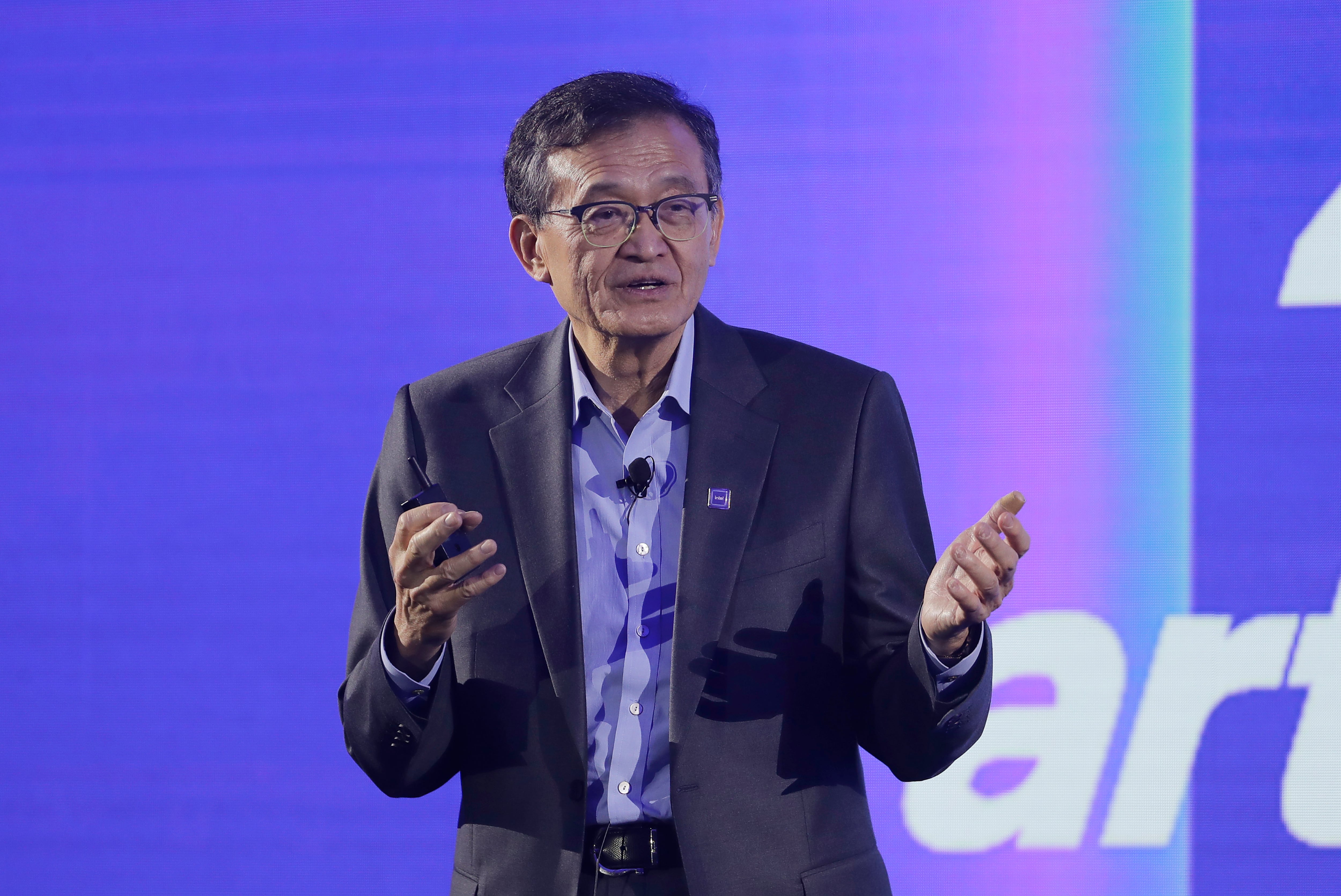
FILE - Intel CEO Lip-Bu Tan delivers a speech during the Computex 2025 exhibition in Taipei, Taiwan, Monday, May 19, 2025. (AP Photo/Chiang Ying-ying, File)
Intel CEO Lip-Bu Tan says he’s “always operated within the highest legal and ethical standards” after President Donald Trump said he should resign.
On Thursday Trump said on Truth Social platform that, “The CEO of Intel is highly CONFLICTED and must resign, immediately. There is no other solution to this problem. Thank you for your attention to this problem!”
Trump’s post landed after Sen. Tom Cotton sent a letter to Intel Chairman Frank Yeary expressing concern over Tan’s investments and ties to semiconductor firms that are reportedly linked to the Chinese Communist Party and the People’s Liberation Army, and asked the board whether Tan had divested his interests in these companies to eliminate any conflicts of interest.
The economic and political rivalry between the U.S. and China are increasingly focused on computer chips, AI and other digital technologies that are expected to shape future economies and military conflicts.
Intel said in a statement that it’s “deeply committed to advancing U.S. national and economic security interests and are making significant investments aligned with the President’s America First agenda.”
Tan also addressed the situation, saying in a message to employees that there was misinformation circulating about his past roles at Walden International and Cadence Design Systems and that he’s always followed proper standards.
Tan also said Intel was in contact with the Trump administration.
“We are engaging with the Administration to address the matters that have been raised and ensure they have the facts,” Tan said. “I fully share the President’s commitment to advancing U.S. national and economic security, I appreciate his leadership to advance these priorities, and I’m proud to lead a company that is so central to these goals.”.
The company’s stock rose slightly in premarket trading on Friday.
Ten philanthropic foundations are committing $500 million across the next five years to place human interests at the forefront of artificial intelligence's rapid integration into daily life.
Jesse Pickard, CEO of The Mind Company, shares how Elevate and Balance are redefining mental fitness with science-backed tools for brainpower and wellness.
Apple has taken down an app that uses crowdsourcing to flag sightings of U.S. immigration agents after coming under pressure from the Trump administration.
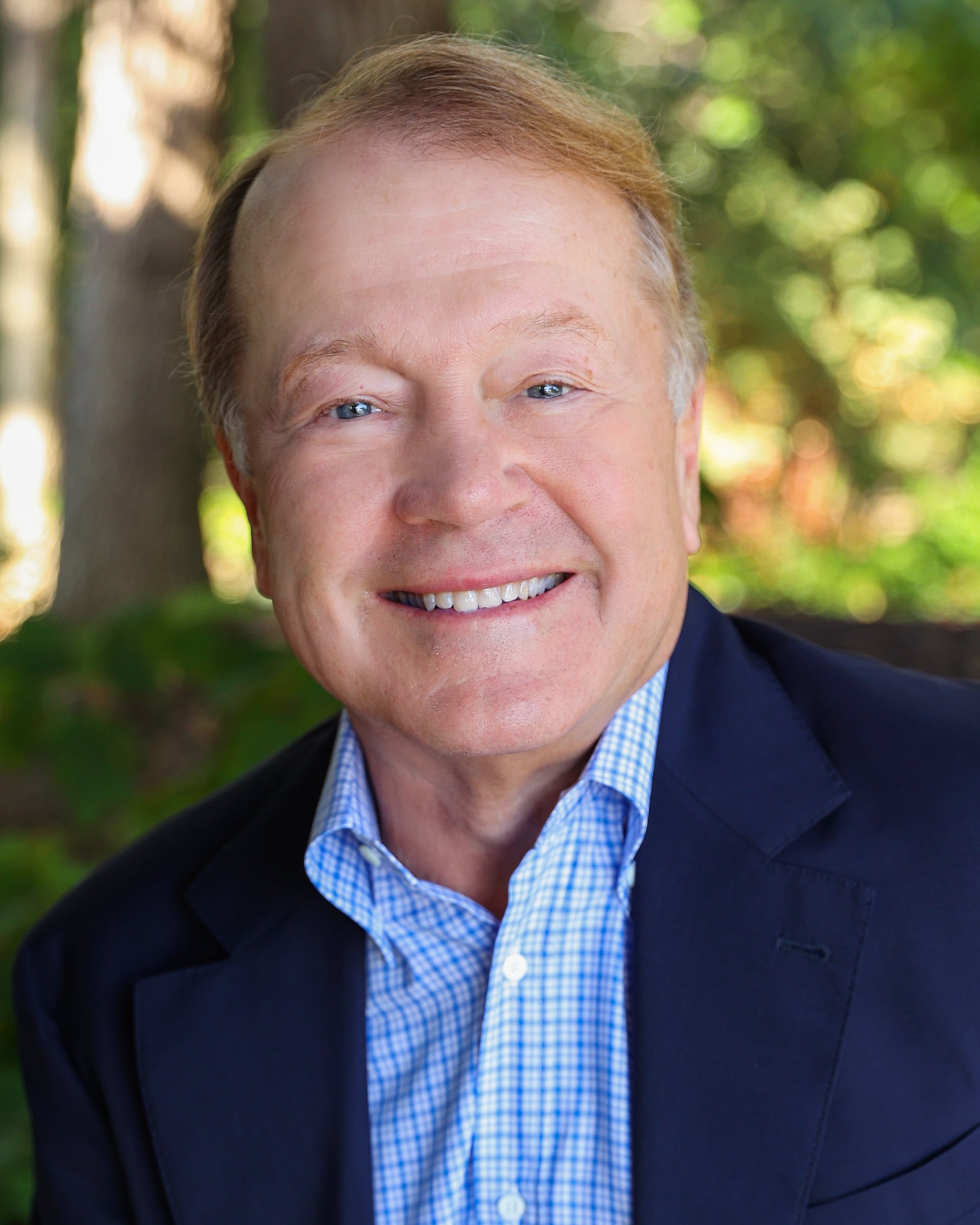
Former Cisco Systems CEO John Chambers learned all about technology’s volatile highs and lows as a veteran of the internet’s early boom days during the late 1990s and the ensuing meltdown that followed the mania. And now he is seeing potential signs of the cycle repeating with another transformative technology in artificial intelligence. Chambers is trying take some of the lessons he learned while riding a wave that turned Cisco into the world's most valuable company in 2000 before a crash hammered its stock price and apply them as an investor in AI startups. He recently discussed AI's promise and perils during an interview with The Associated Press.
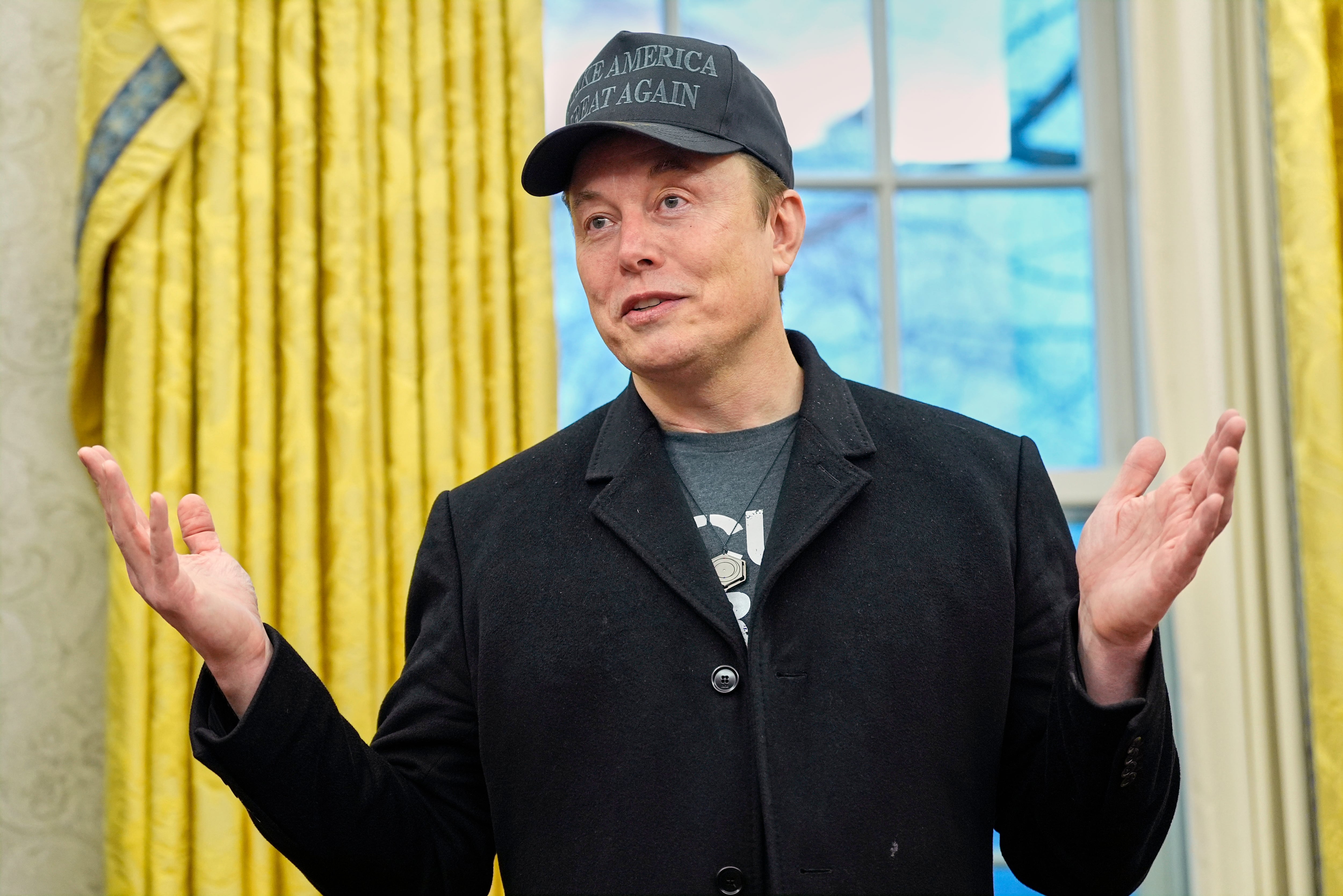
Tesla reported a surprise increase in sales in the third quarter as the electric car maker likely benefited from a rush by consumers to take advantage of a $7,500 credit before it expired on Sept. 30. The company reported Thursday that sales in the three months through September rose 7% compared to the same period a year ago. The gain follows two quarters of steep declines as people turned off by CEO Elon Musk’s foray into right-wing politics avoided buying his company’s cars and even protested at some dealerships. Sales rose to 497,099 vehicles, compared with 462,890 in the same period last year.
OpenAI could now be the world’s most valuable startup, ahead of Elon Musk’s SpaceX and TikTok parent company ByteDance, after a secondary stock sale designed to retain employees at the ChatGPT maker. Current and former OpenAI employees sold $6.6 billion in shares to a group of investors, pushing the privately held artificial intelligence company’s valuation to $500 billion, according to a source with knowledge of the deal who was not authorized to discuss it publicly. The valuation reflects high expectations for the future of AI technology and continues OpenAI’s remarkable trajectory from its start as a nonprofit research lab in 2015.
Tom’s Guide Editor-in-Chief Mark Spoonauer breaks down Apple & Amazon's latest product drops—what's hot, what's hype, and what really matters for users.
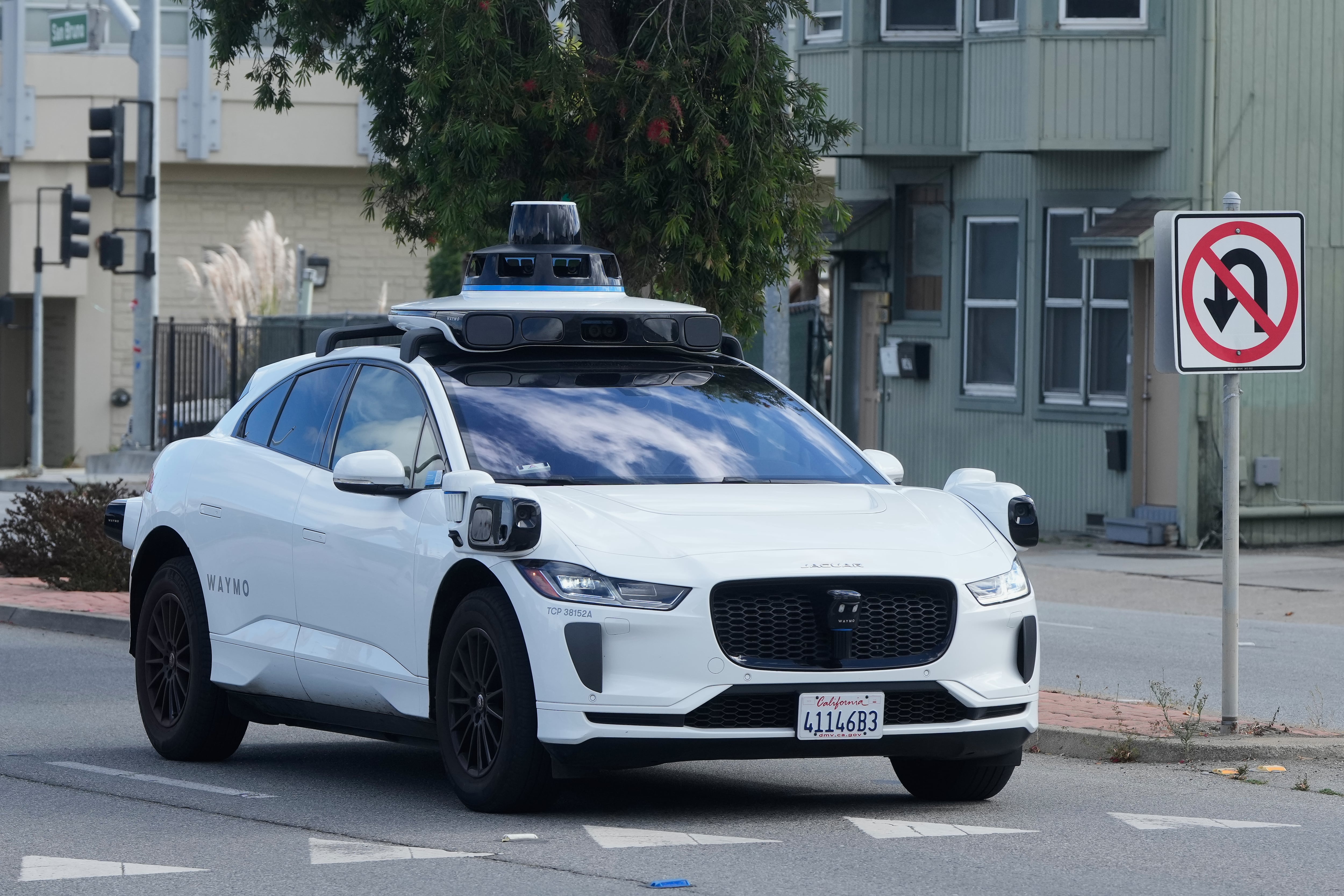
Police in Northern California pulled over a self-driving Waymo taxi after it made an illegal U-turn. But without a driver behind the wheel, they could not issue a moving violation ticket.