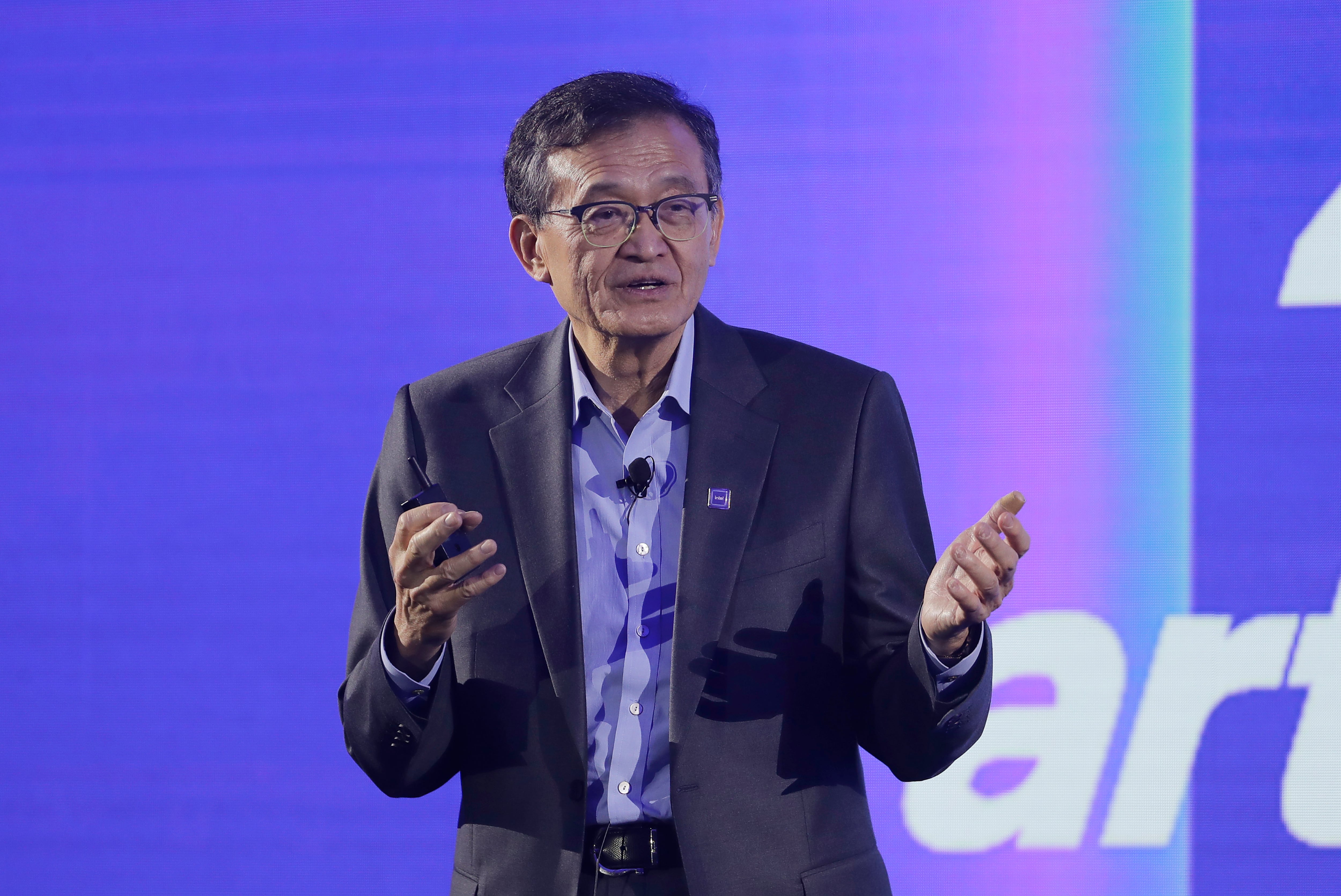
Intel CEO Lip-Bu Tan says he’s “always operated within the highest legal and ethical standards” after President Donald Trump said he should resign.
On Thursday Trump said on Truth Social platform that, “The CEO of Intel is highly CONFLICTED and must resign, immediately. There is no other solution to this problem. Thank you for your attention to this problem!”
Trump’s post landed after Sen. Tom Cotton sent a letter to Intel Chairman Frank Yeary expressing concern over Tan’s investments and ties to semiconductor firms that are reportedly linked to the Chinese Communist Party and the People’s Liberation Army, and asked the board whether Tan had divested his interests in these companies to eliminate any conflicts of interest.
It was not immediately clear on Thursday if Tan, who took over as Intel’s CEO in March, had divested his interests in the companies.
The economic and political rivalry between the U.S. and China are increasingly focused on computer chips, AI and other digital technologies that are expected to shape future economies and military conflicts.
Intel said in a statement that it’s “deeply committed to advancing U.S. national and economic security interests and are making significant investments aligned with the President’s America First agenda.”
Tan also addressed the situation, saying in a message to employees that there was misinformation circulating about his past roles at Walden International and Cadence Design Systems and that he’s always followed proper standards.
Tan also said Intel was in contact with the Trump administration.
“We are engaging with the Administration to address the matters that have been raised and ensure they have the facts,” Tan said. “I fully share the President’s commitment to advancing U.S. national and economic security, I appreciate his leadership to advance these priorities, and I’m proud to lead a company that is so central to these goals.”.
The company’s stock rose slightly in premarket trading on Friday.
Spain's government has fined Airbnb 64 million euros or $75 million for advertising unlicensed tourist rentals. The consumer rights ministry announced the fine on Monday. The ministry stated that many listings lacked proper license numbers or included incorrect information. The move is part of Spain's ongoing efforts to regulate short-term rental companies amid a housing affordability crisis especially in popular urban areas. The ministry ordered Airbnb in May to remove around 65,000 listings for similar violations. The government's consumer rights minister emphasized the impact on families struggling with housing. Airbnb said it plans to challenge the fine in court.
The Islamic State group and other militant organizations are experimenting with artificial intelligence as a tool to boost recruitment and refine their operations. National security experts say that just as businesses, governments and individuals have embraced AI, extremist groups also will look to harness the power of AI. That means aiming to improve their cyberattacks, breaking into sensitive networks and creating deepfakes that spread confusion and fear. Leaders in Washington have responded with calls to investigate how militant groups are using AI and seek ways to encourage tech companies to share more about how their products are being potentially misused.
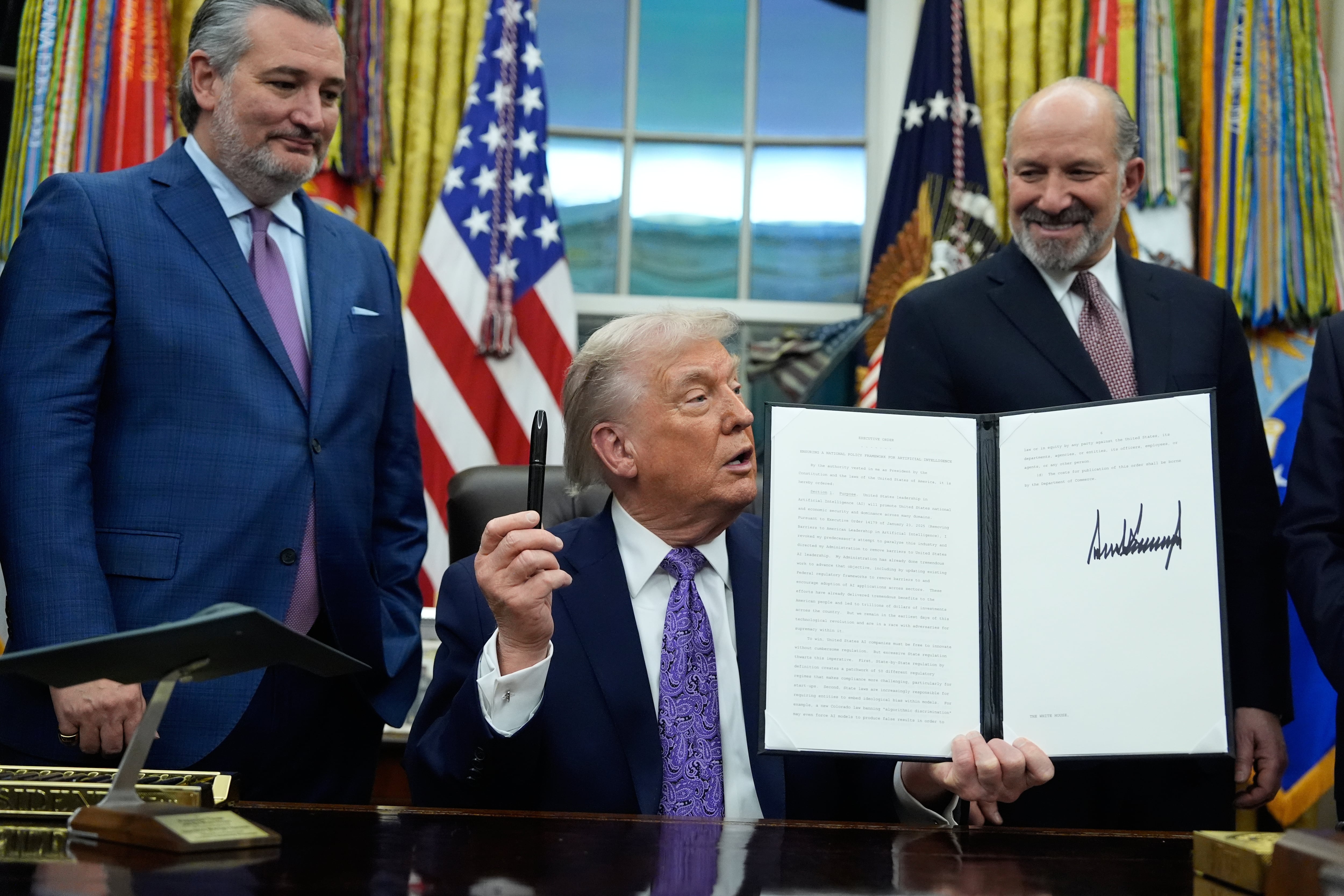
President Donald Trump has signed an executive order to block states from regulating artificial intelligence. He argues that heavy regulations could stifle the industry, especially given competition from China. Trump says the U.S. needs a unified approach to AI regulation to avoid complications from state-by-state rules. The order directs the administration to draw up a list of problematic regulations for the Attorney General to challenge. States with laws could lose access to broadband funding, according to the text of the order. Some states have already passed AI laws focusing on transparency and limiting data collection.
Waymo's self-driving taxis have been in the spotlight for both negative and positive reasons. This week, the automated ride-hailing taxis went viral after a San Francisco woman gave birth inside a Waymo taxi while on her way to the hospital. A Waymo spokesperson on Wednesday confirmed the unusual delivery. It said the company's rider support team detected unusual activity inside the vehicle and alerted 911. The taxi arrived safely at the hospital before emergency services. Waymo's popularity is growing despite heightened scrutiny following an illegal U-turn and the death of a San Francisco cat. The company, owned by Alphabet, says it is proud to serve riders of all ages.
OpenAI has appointed Slack CEO Denise Dresser as its first chief of revenue. Dresser will oversee global revenue strategy and help businesses integrate AI into daily operations. OpenAI CEO Sam Altman recently emphasized improving ChatGPT, which now has over 800 million weekly users. Despite its success, OpenAI faces competition from companies like Google and concerns about profitability. The company earns money from premium ChatGPT subscriptions but hasn't ventured into advertising. Altman had recently announced delays in developing new products like AI agents and a personal assistant.
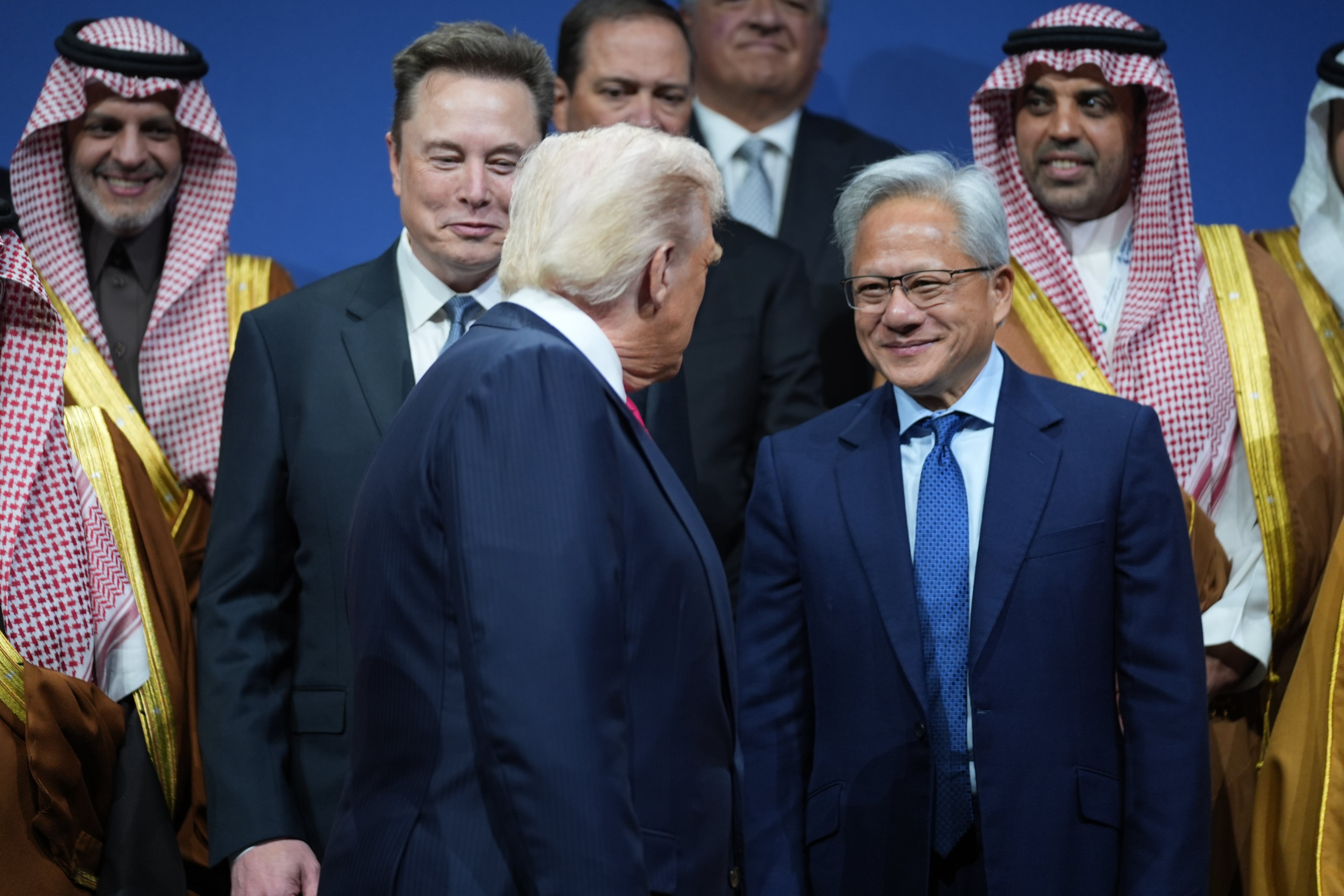
President Donald Trump says he will allow Nvidia to sell its H200 computer chip used in the development of artificial intelligence to “approved customers” in China. Trump said Monday on his social media site that he had informed China’s leader Xi Jinping and “President Xi responded positively!” There had been concerns about allowing advanced computer chips into China as it could help them to compete against the U.S. in building out AI capabilities. But there has also been a desire to develop the AI ecosystem with American companies such as chipmaker Nvidia.