By Isabella Volmert
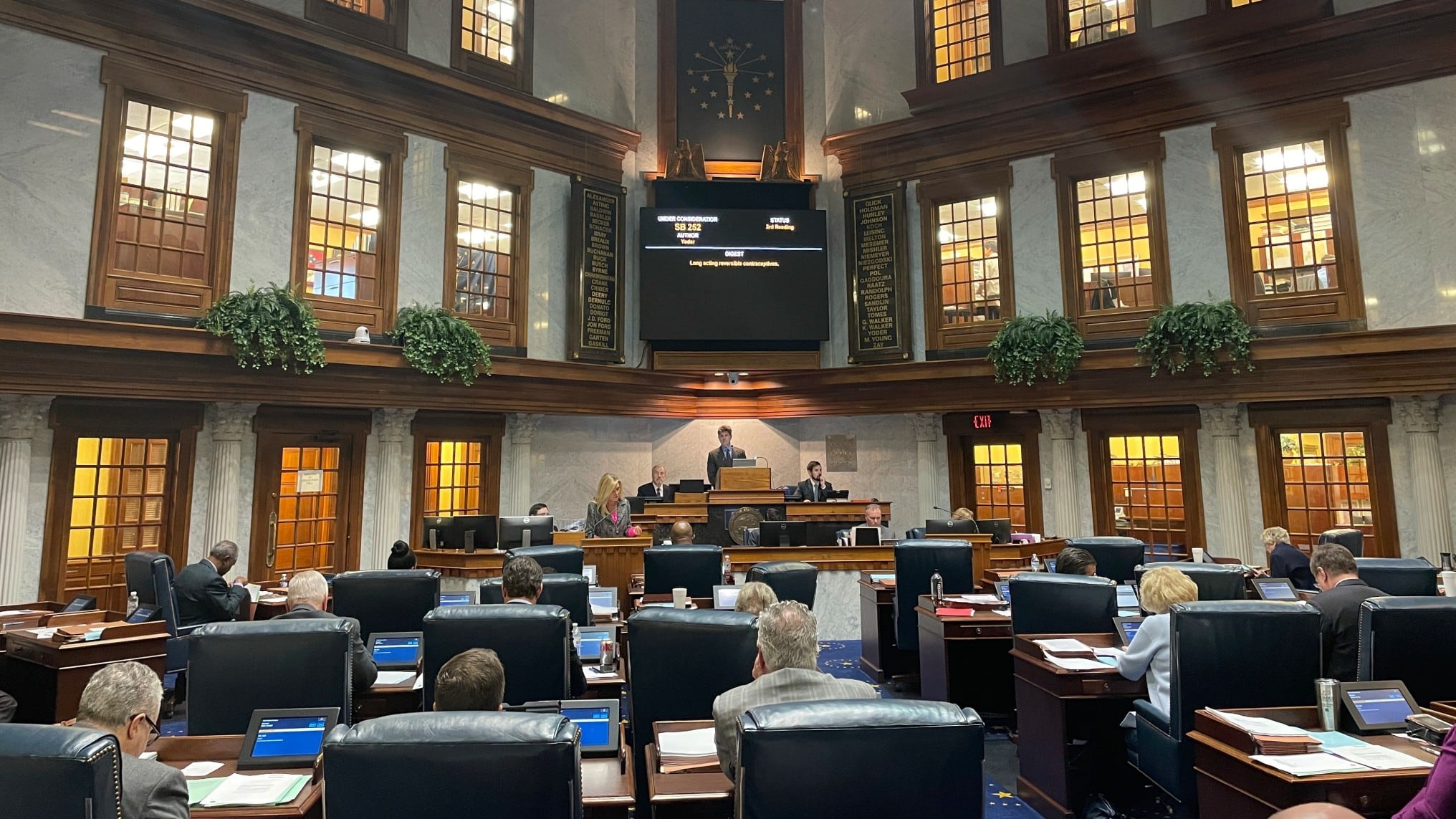
Indiana's initial estimate for Medicaid expenses is nearly $1 billion short of its now-predicted need, state lawmakers learned in a report that ignited concern over the state's budget and access to the low-income healthcare program.
A December outlook found that Medicaid is predicted to need $984 million more than what was thought in April, when the state's biennium budget was finalized.
State budget director Zachary Jackson told The Associated Press the forecast used to develop the budget allowed Indiana to move $525 million from Medicaid to the state's general fund in July. The state has directed that $271 million of that money be moved back to Medicaid to address the shortfall of the last year, he said.
According to the predictions presented to lawmakers on Tuesday, the state will need to appropriate $255.2 million more for the program before July 2024 and $457.9 million more for the following year.
The flawed April forecast was based on data that did not reflect the latest needs of enrollees, state agencies said. Jackson said demand for certain categories, such as elderly care, outpaced what state officials anticipated. According to the report, home and community-based long-term services and support are anticipated to be in need of the most funding over the next two years.
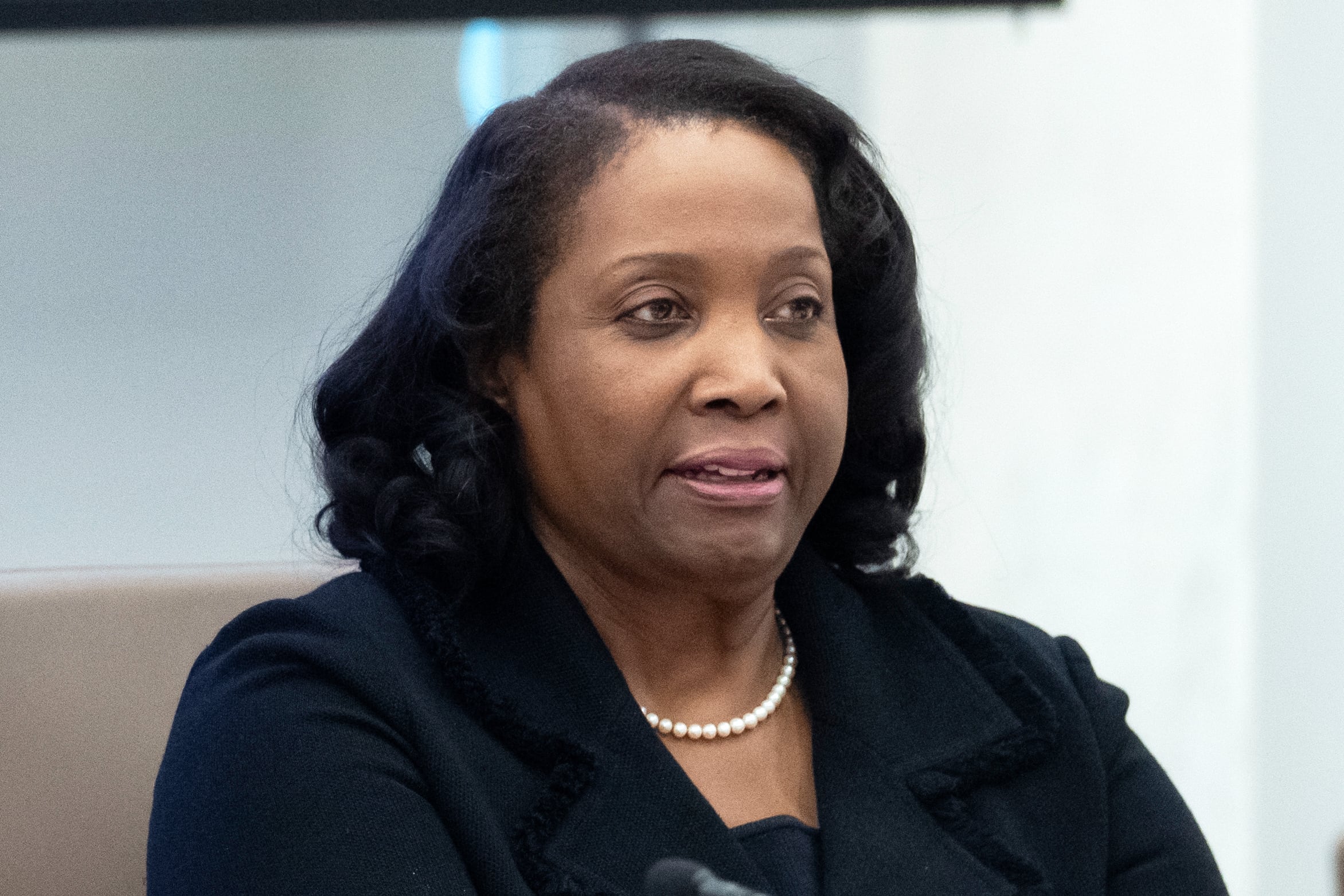
Medicaid director Cora Steinmetz told lawmakers Tuesday that the agency is working on proposals for controlling costs, prompting concern over access to the program.
“We’re exploring all aspects of the Medicaid program to look at where there might be an opportunity to generate potential savings on the appropriation,” Steinmetz said.
Indiana's lawmakers finalize the state budget during odd-numbered years, leaving lawmakers and state agencies with a limited path to enact legislative change in the upcoming 2024 session. Steinmetz said the agency will draft proposals for cost containment within the power of the agency and the budget committee.
States across the country are unwinding pandemic-era protections that kept millions of people covered by Medicaid. In Indiana, the number of people enrolled in Medicaid steadily grew every month from March 2020 until May of this year, when the federal budget law ended the protections.
Indiana’s total enrollment has fallen every month since then. Even so, the demand is still greater than before the pandemic.
According to the report, Indiana saw a net growth of over 370,000 Medicaid enrollees since January 2020.
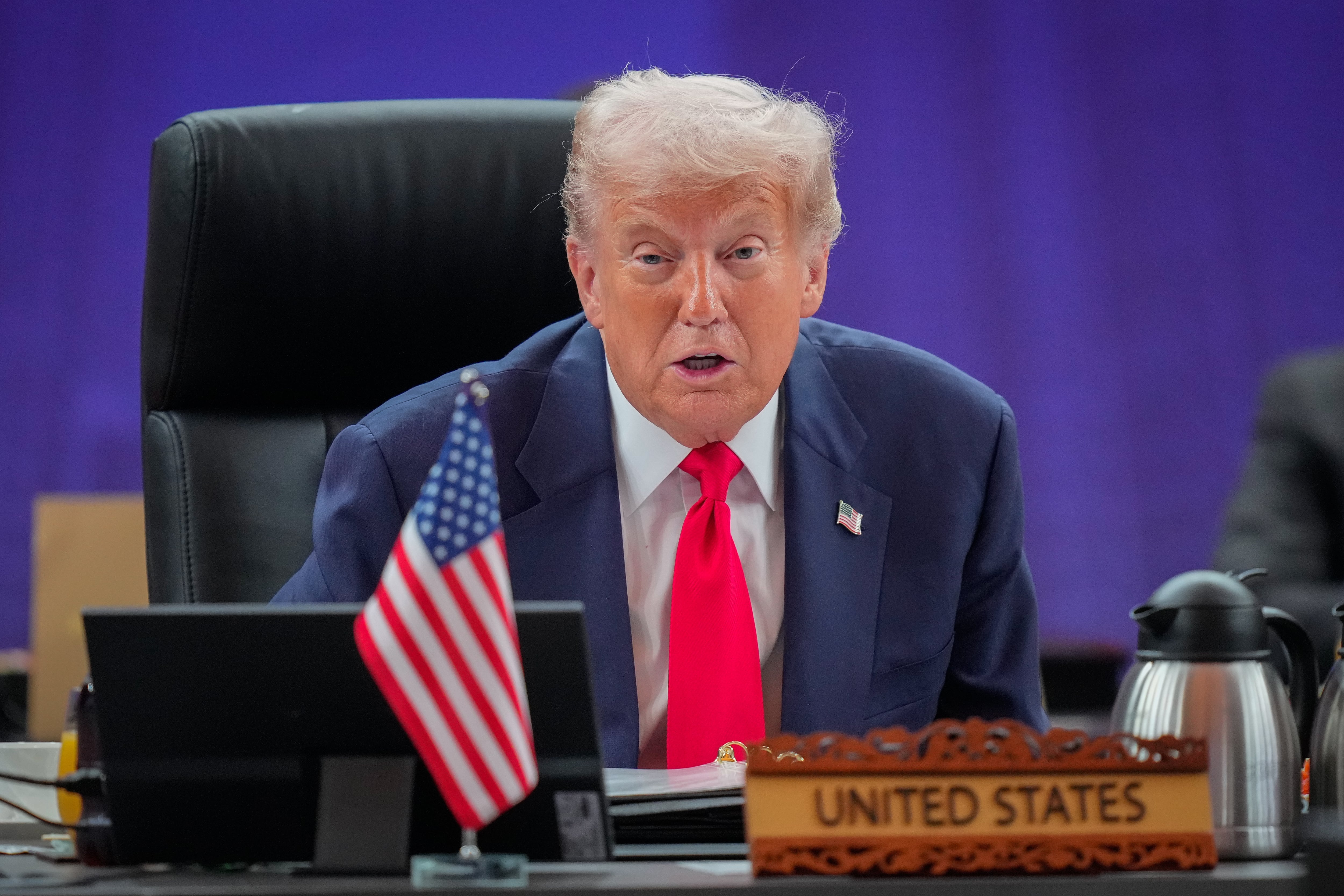
President Donald Trump said he has decided to lower his combined tariff rates on imports of Chinese goods to 47% after talks with Chinese leader Xi Jinping on curbing fentanyl trafficking.
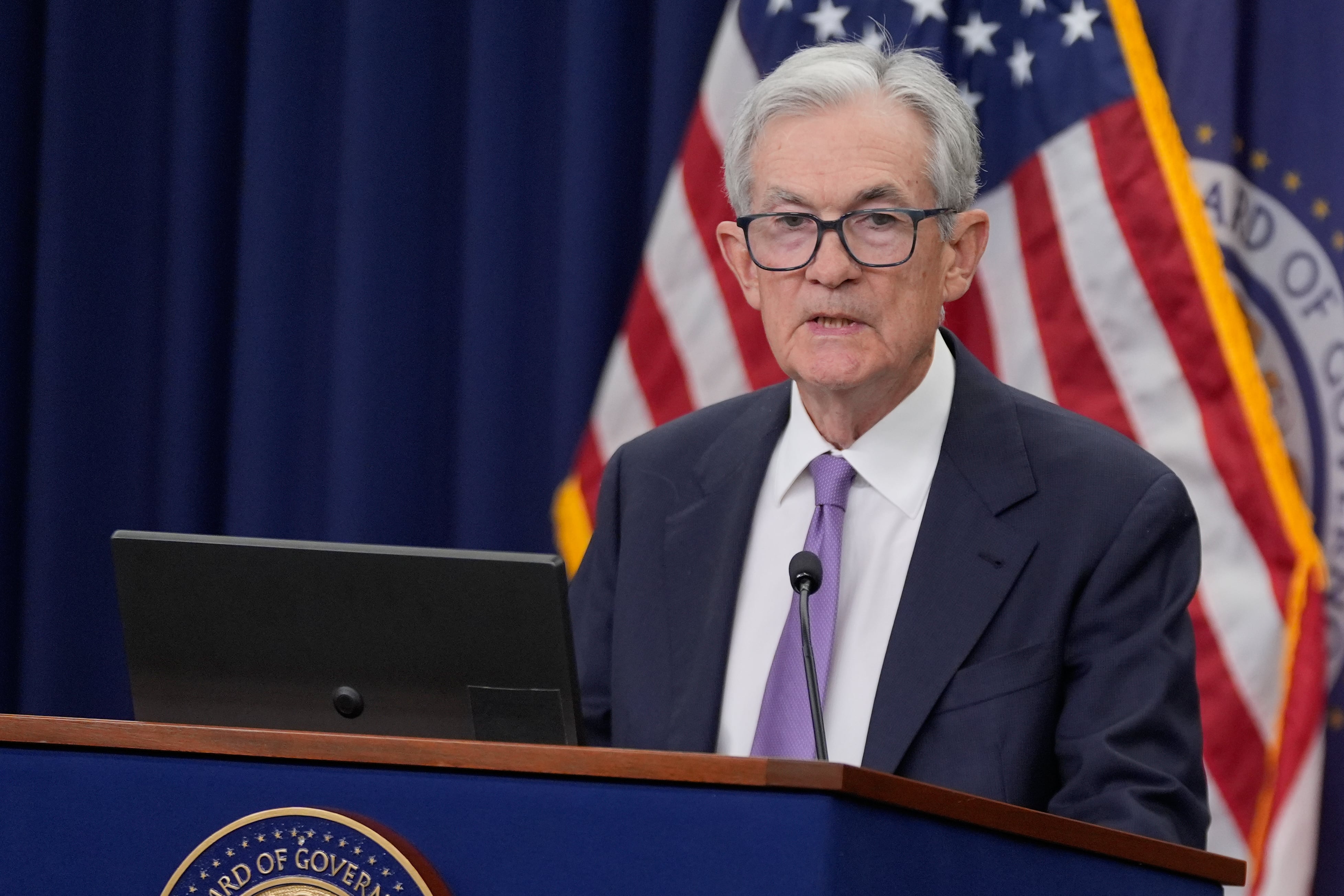
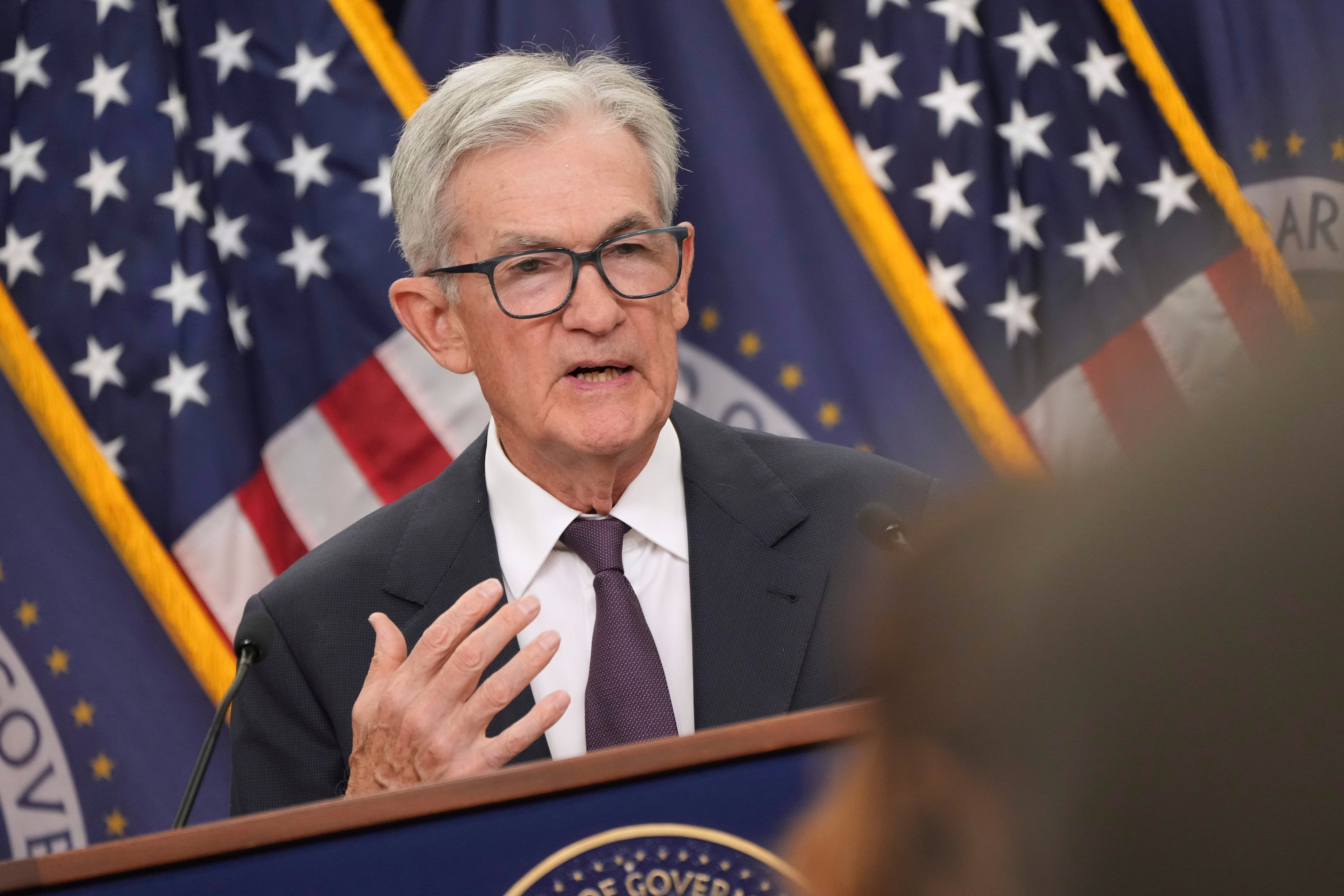
The Federal Reserve cut its key interest rate Wednesday for a second time this year as it seeks to shore up economic growth and hiring even as inflation stays elevated. The move comes amid a fraught time for the central bank, with hiring sluggish and yet inflation stuck above the Fed’s 2% target. Compounding its challenges, the central bank is navigating without much of the economic data it typically relies on from the government. The Fed has signaled it may reduce its key rate again in December but the data drought raises the uncertainty around its next moves. Fed Chair Jerome Powell told reporters that there were “strongly differing views” at the central bank's policy meeting about to proceed going forward.
U.S. and Chinese officials say a trade deal between the world’s two largest economies is drawing closer. The sides have reached an initial consensus for President Donald Trump and Chinese leader Xi Jinping to aim to finalize during their high-stakes meeting Thursday in South Korea. Any agreement would be a relief to international markets. Trump's treasury secretary says discussions with China yielded preliminary agreements to stop the precursor chemicals for fentanyl from coming into the United States. Scott Bessent also says Beijing would make “substantial” purchases of soybean and other agricultural products while putting off export controls on rare earth elements needed for advanced technologies.
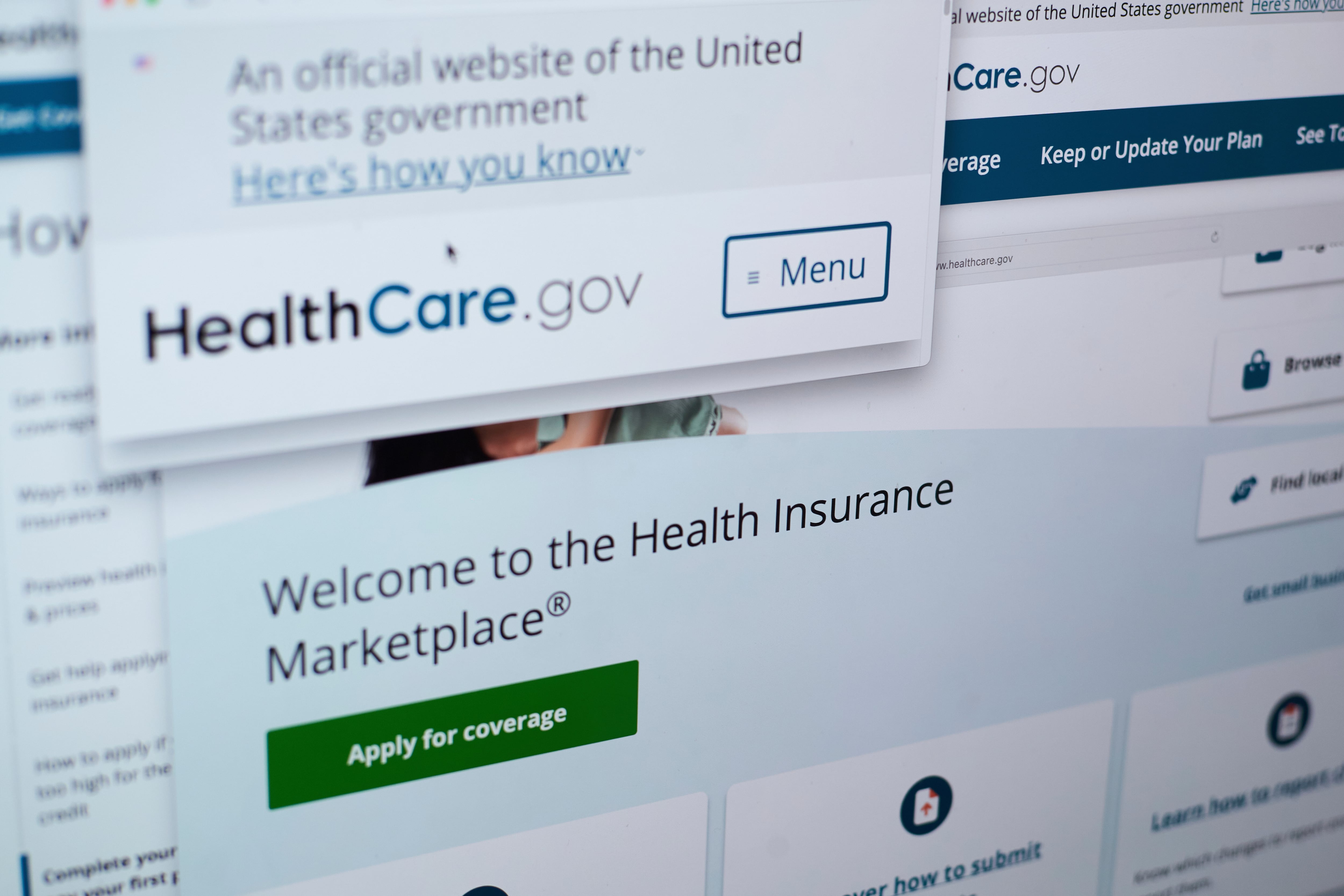
A new poll finds most U.S. adults are worried about health care becoming more expensive.
The White House budget office says mass firings of federal workers have started in an attempt to exert more pressure on Democratic lawmakers as the government shutdown continues.
President Donald Trump says “there seems to be no reason” to meet with Chinese leader Xi Jinping as part of an upcoming trip to South Korea after China restricted exports of rare earths needed for American industry. The Republican president suggested Friday he was looking at a “massive increase” of import taxes on Chinese products in response to Xi’s moves. Trump says one of the policies the U.S. is calculating is "a massive increase of Tariffs on Chinese products coming into the United States." A monthslong calm on Wall Street was shattered, with U.S. stocks falling on the news. The Chinese Embassy in Washington hasn't responded to an Associated Press request for comment.
Most members of the Federal Reserve’s interest-rate setting committee supported further reductions to its key interest rate this year, minutes from last month’s meeting showed.
From Wall Street trading floors to the Federal Reserve to economists sipping coffee in their home offices, the first Friday morning of the month typically brings a quiet hush around 8:30 a.m. eastern, as everyone awaits the Labor Department’s monthly jobs report.
The Supreme Court is allowing Lisa Cook to remain as a Federal Reserve governor for now.
Rep. John Moolenaar has requested an urgent briefing from the White House after Trump supported a deal giving Americans a majority stake in TikTok.