Have Bob Iger’s acquisitions kneecapped Disney’s future?
By Grant Keller
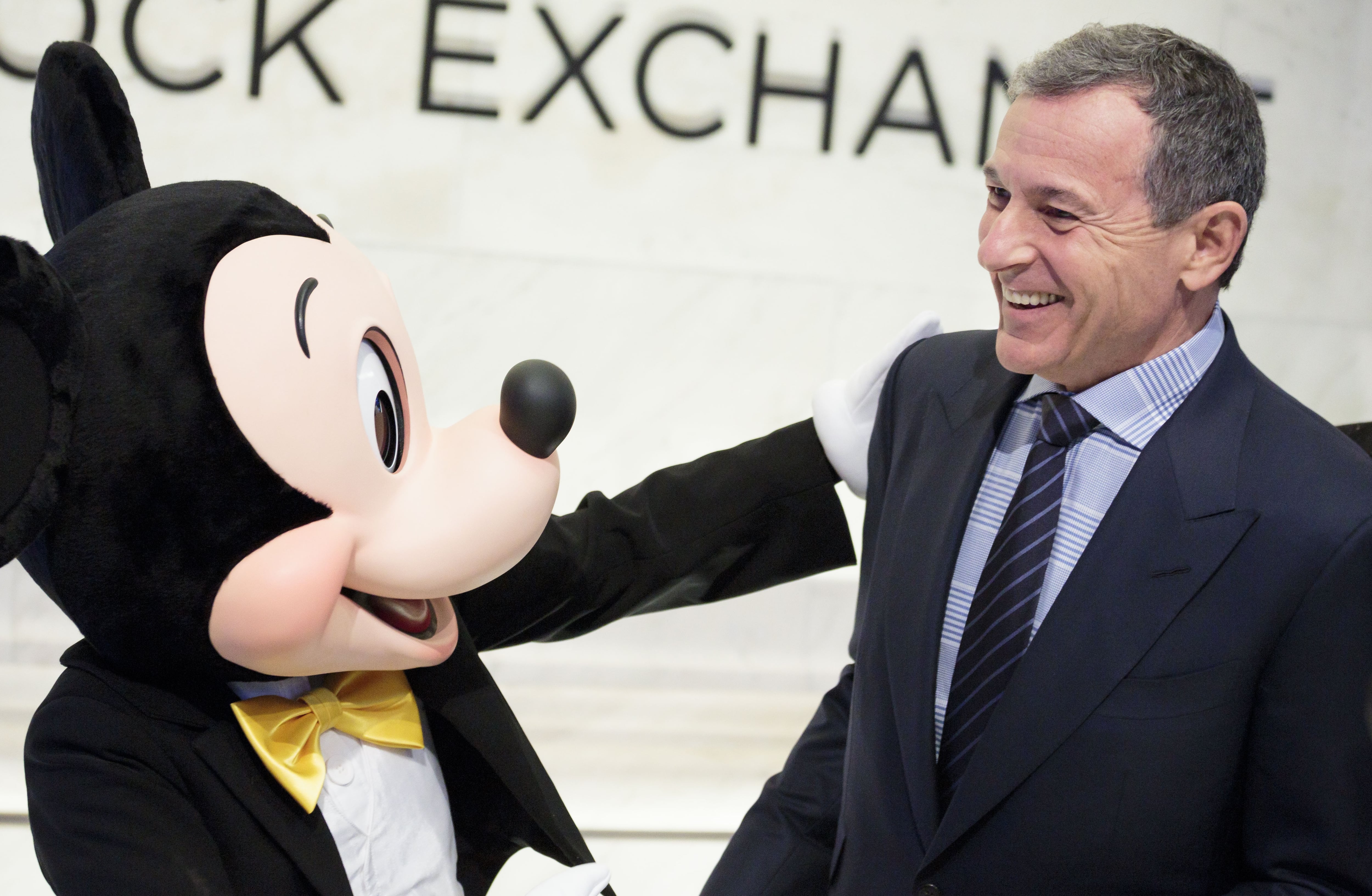
Disney CEO Bob Iger (right) with Disney's Mickey Mouse (left)
Disney CEO Bob Iger can’t stop buying companies. But is it always strategic for him to do so, or is his shopaholism hamstringing the company for the future?
One of Mr. Iger’s first major actions as CEO of Disney was to bring Pixar back to Disney after their initial five-film distribution contract was up. He succeeded, and Disney purchased Pixar for $7.4 billion. The acquisition resulted in an immediate creative and financial boom with the likes of “Wall-E,” “Ratatouille,” and the best pictures nominees of “Up” and “Toy Story 3.”
Then, for decades, Disney had been trying to break into the young boys market, throwing anything at the wall from “Prince of Persia” to “John Carter” to see what stuck. When nothing did, Iger purchased Marvel. After that, he bought Lucasfilm, gaining the rights to “Star Wars.” The boys’ market was now Disney’s.
Then things started to fall apart. Pixar became a shell of its former self with profitable sequels like “Cars 2” and “Finding Dory” and new originals plagued with production issues like “Brave” and “The Good Dinosaur.” After “Endgame,” Marvel lost its rudder. They made dozens of movies and shows about characters few people cared about for more money than God, and then acted confused when they couldn’t turn a profit. “Star Wars” produced a movie a year, five years straight, until everyone got sick of the movies.
Iger’s only original creation, Disney’s streaming service, Disney+, had a big hand in this, making all of these divisions overproduce exclusive content to drive consumers to its platform.
Iger wrung out every company he purchased. Will he finally start planting the seeds for new, original ideas that could blossom into potential franchises in the future? No. He purchased 20th Century Fox, and plans to do the same thing there. You better like “Alien,” “Predator,” and “Avatar” because Mr. Iger is gonna feed them to you until you explode.
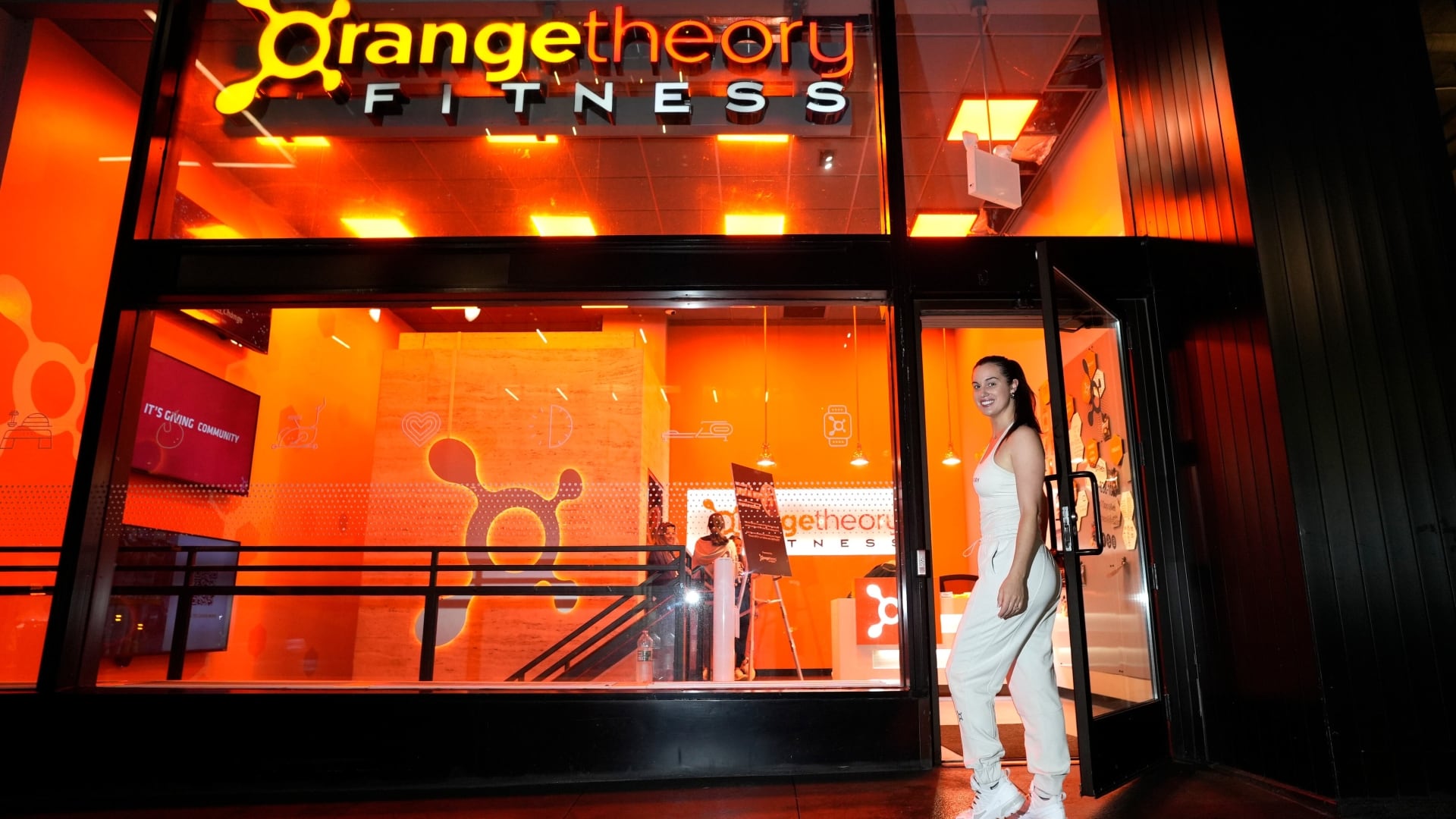
Orangetheory Fitness is redefining the future of workouts with smarter tech, strength-based programming, and community-driven studios built for what’s next.
Spain's government has fined Airbnb 64 million euros or $75 million for advertising unlicensed tourist rentals. The consumer rights ministry announced the fine on Monday. The ministry stated that many listings lacked proper license numbers or included incorrect information. The move is part of Spain's ongoing efforts to regulate short-term rental companies amid a housing affordability crisis especially in popular urban areas. The ministry ordered Airbnb in May to remove around 65,000 listings for similar violations. The government's consumer rights minister emphasized the impact on families struggling with housing. Airbnb said it plans to challenge the fine in court.
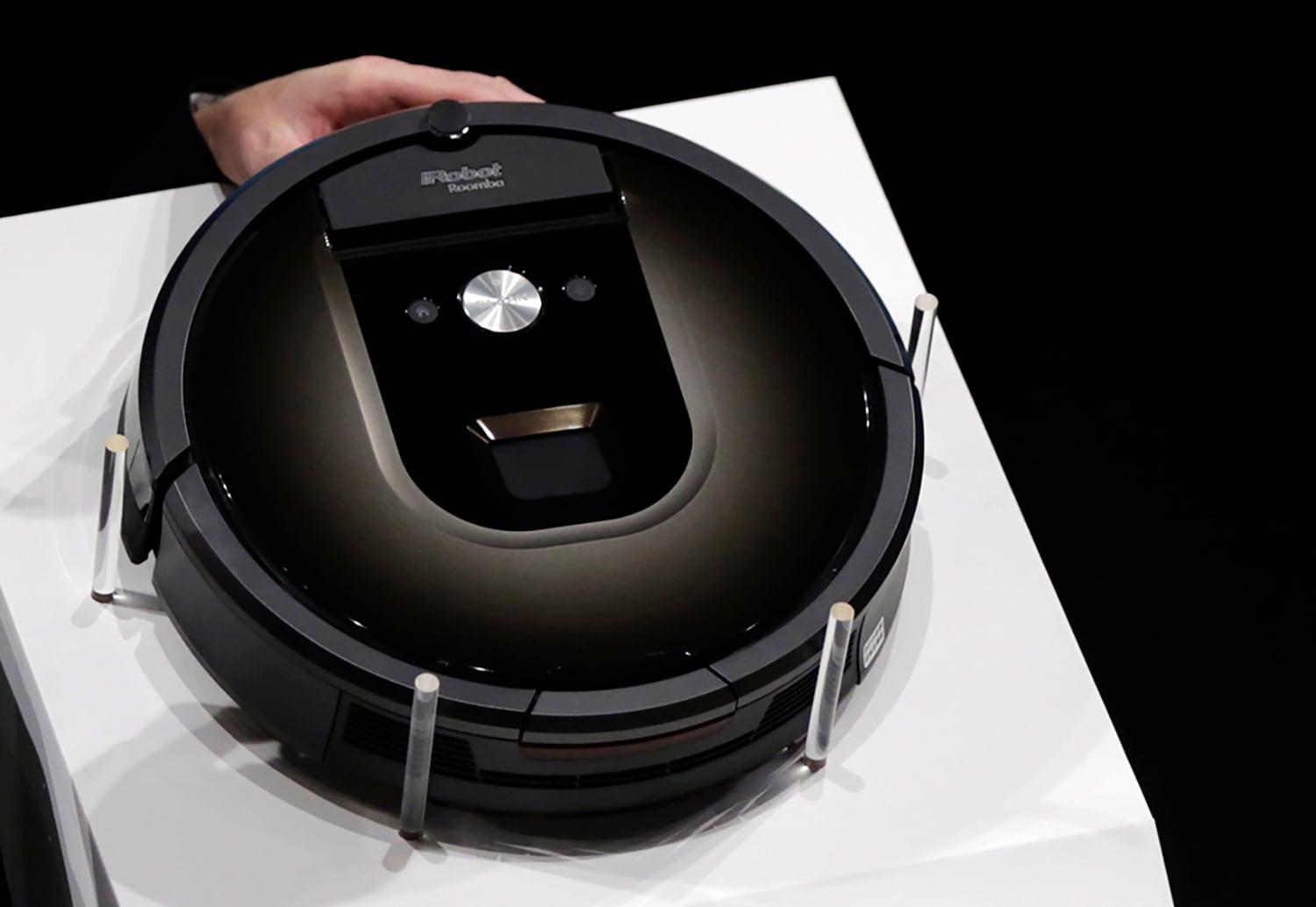
Roomba maker iRobot has filed for Chapter 11 bankruptcy protection, but says that it doesn’t expect any disruptions to devices as the more than 30-year-old company is taken private under a restructuring process. iRobot said that it is being acquired by Picea through a court-supervised process. Picea is the company's primary contract manufacturer. The Bedford, Massachusetts-based anticipates completing the prepackaged chapter 11 process by February.
Serbia’s prosecutor for organized crime has charged a government minister and three others with abuse of position and falsifying of documents related to a luxury real estate project linked to U.S. President Donald Trump’s son-in-law Jared Kushner. The charges came on Monday. The investigation centers on a controversy over a a bombed-out military complex in central Belgrade that was a protected cultural heritage zone but that is facing redevelopment as a luxury compound by a company linked to Kushner. The $500 million proposal to build a high-rise hotel, offices and shops at the site has met fierce opposition from experts at home and abroad. Selakovic and others allegedly illegally lifted the protection status for the site by falsifying documentation.