Google on Tuesday announced that it is opening access to Bard, an artificial intelligence chatbot powered by a large language model (LLM). Bard is Google's answer to OpenAI's ChatGPT, which has exploded in popularity since going public late last year.
"We’ve learned a lot so far by testing Bard, and the next critical step in improving it is to get feedback from more people," the company wrote in a blog post.
In the big tech firm race to dominate the AI space, Google has proven to be more cautious than the Microsoft-based OpenAI. While ChatGPT has become the current byword for AI, Google's has struggled to generate the same excitement.
With the decision to make Bard public, Google is stepping off of the sidelines — though it isn't throwing caution to the wind either.
"While LLMs are an exciting technology, they’re not without their faults," the company wrote. "For instance, because they learn from a wide range of information that reflects real-world biases and stereotypes, those sometimes show up in their outputs. And they can provide inaccurate, misleading or false information while presenting it confidently."
This is exactly what happened when Google unveiled the tool at a press conference. It gave the wrong answer to a question about a major scientific achievement, a mistake which kicked off an 8 percent plunge in Google parent Alphabet's stock price.
Google added that the testing process is designed to avoid these pitfalls by figuring out where guardrails need to be built to make sure interactions are "helpful and on topic."
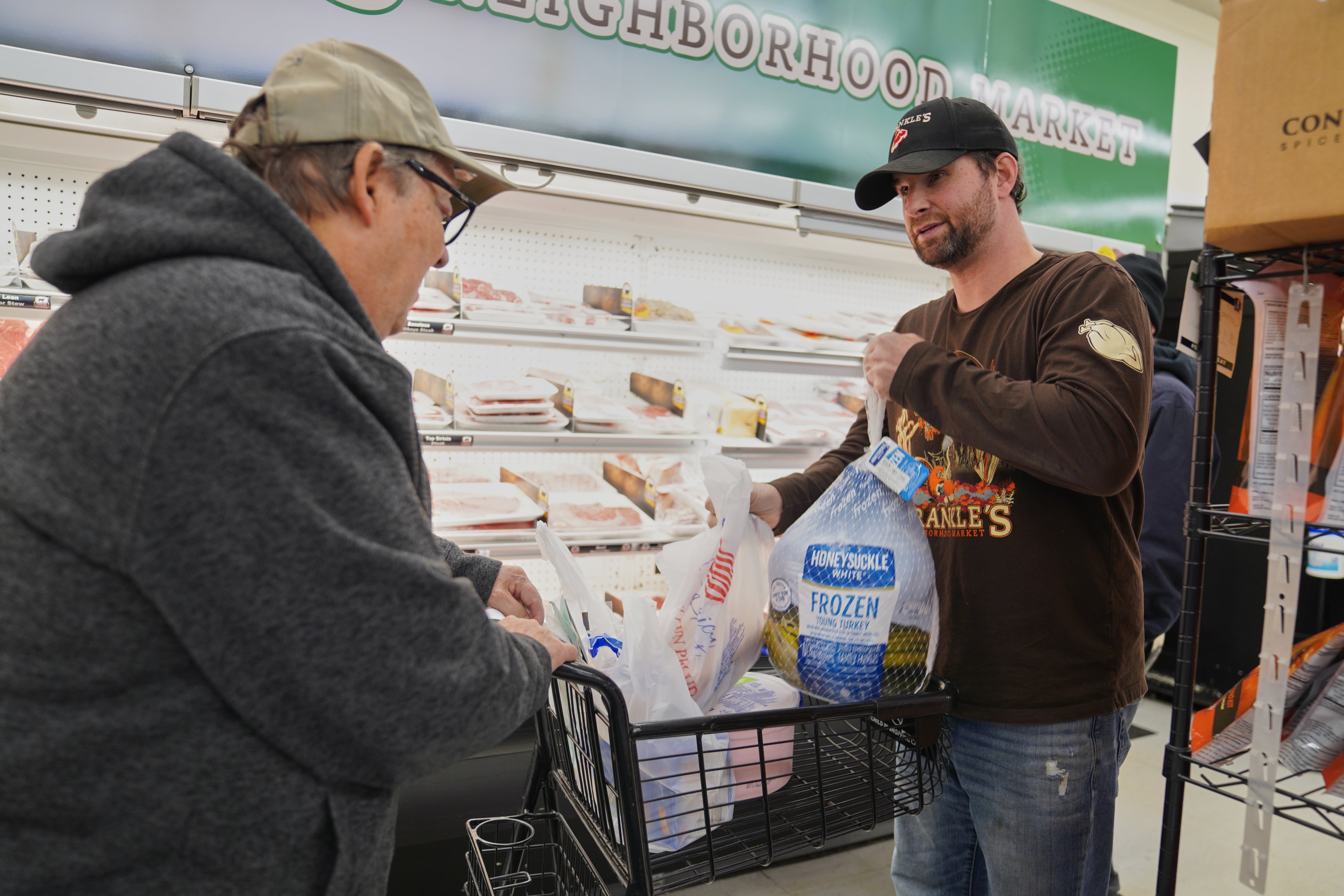
Some small grocery stores and neighborhood convenience stores are eager for the U.S. government shutdown to end and for their customers to start receiving federal food aid again. Late last month, the Trump administration froze funding for the SNAP benefits that about 42 million Americans use to buy groceries. The U.S. Department of Agriculture says about 74% of the assistance was spent last year at superstores like Walmart and supermarkets like Kroger. Around 14% went to smaller stores that are more accessible to SNAP beneficiaries. A former director of the United Nations World Food Program says SNAP is not only a social safety net for families but a local economic engine that supports neighborhood businesses.
Andy Baehr, Head of Product at CoinDesk Indices, breaks down crypto’s Black Friday crash, Bitcoin dipping under $100K, and what’s driving the market rout.
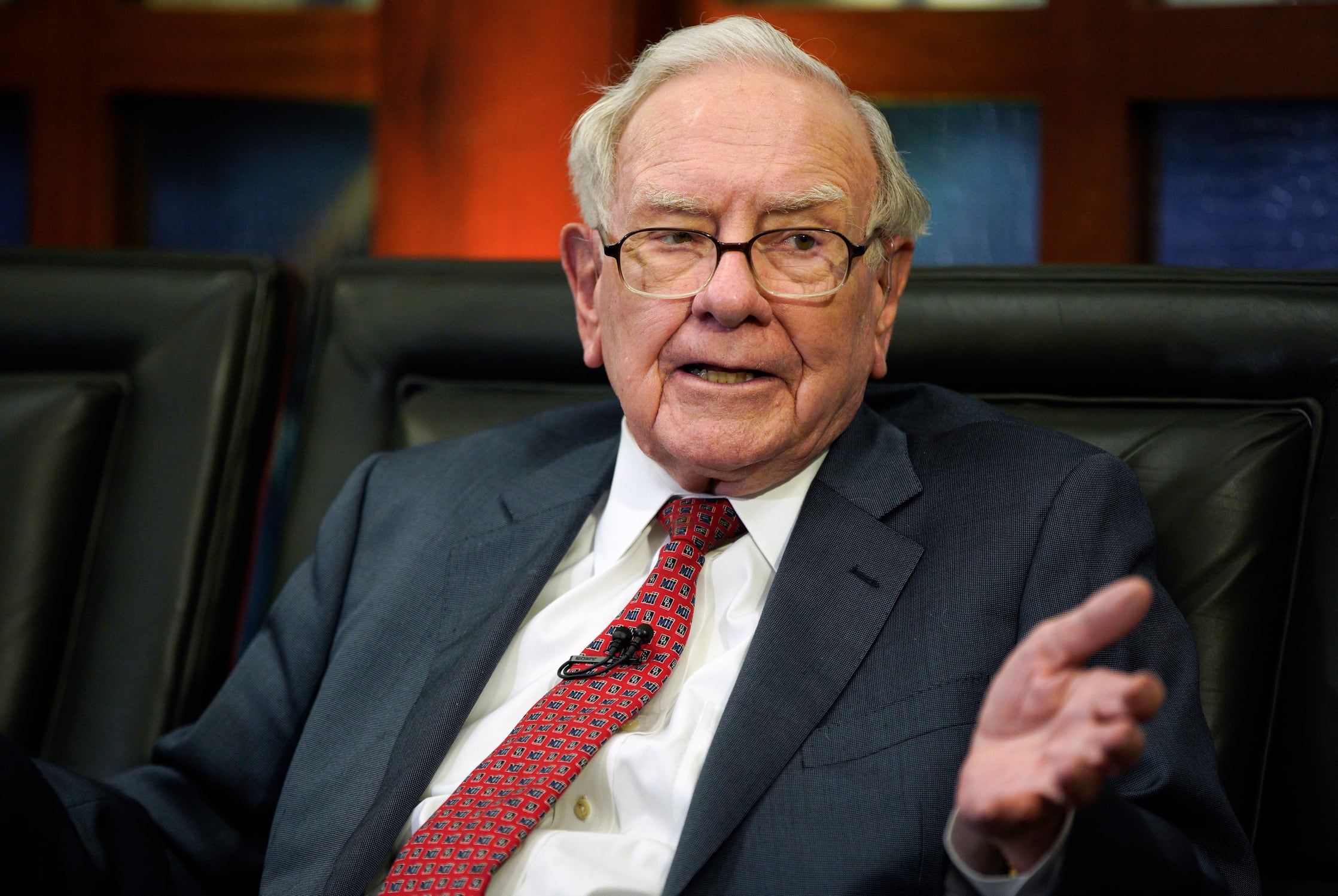
Billionaire Warren Buffett warned shareholders Monday that many companies will fare better than his Berkshire Hathaway in the decades ahead as Father Time catches up
Chris Marquette of POLITICO breaks down how the FAA is cutting flights and facing a critical shortage of air‑traffic controllers amid the government shutdown.
Dr. Manuele Aufiero, CEO & Co‑Founder of Sizable En a groundbreaking undersea energy‑storage technology powering the global shift to clean, scalable power.
Paul Fipps, President of Global Customer Operations at ServiceNow, breaks down the company’s earnings beat, 5‑for‑1 stock split and booming enterprise AI demand