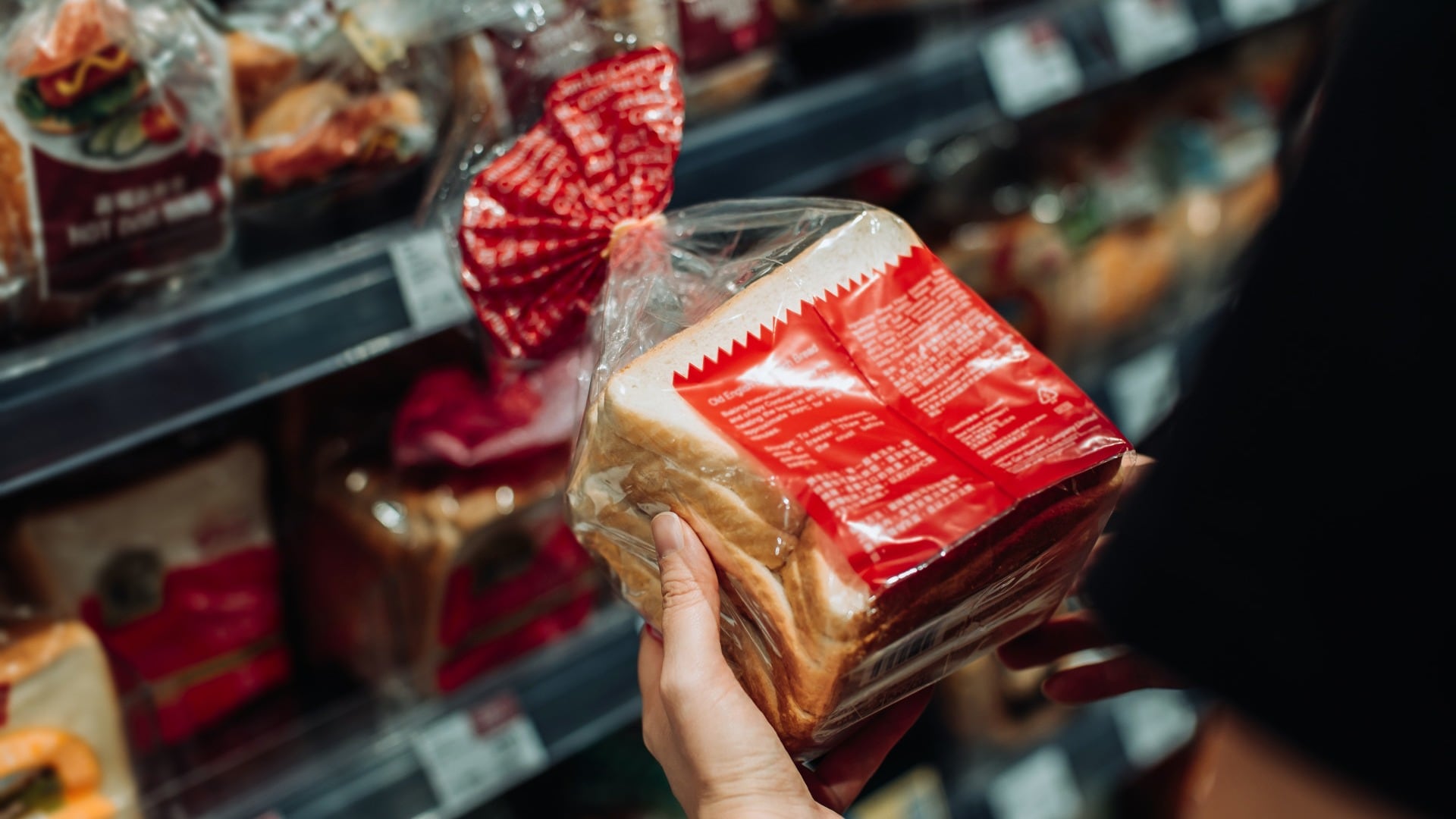
The United Nations' global index for tracking food prices fell 1.9 percent in December after hitting an all-time high in 2022 amid drought, war, pandemic, and supply chain challenges.
The Food and Agriculture Organization of the United Nations (FAO) Food Price Index, which tracks commonly traded food commodities, averaged 143.7 points in 2022. That is down one percent from the number one year ago, but 14.3 percent above the average value in 2021.
Over that period, essential goods have seen sizable price drops. The price of vegetable oil, for example, was down 6.7 percent from November, hitting their lowest levels since before the war in Ukraine. Cereal prices, meanwhile, were down 1.9 percent from November, while meat was down 1.2 percent.
While welcoming the improvement, the United Nation is urging nations to stay vigilant to avoid the kind of global food shortages that come with higher prices.
"Calmer food commodity prices are welcome after two very volatile years," said FAO Chief Economist Maximo Torero in a news release. "It is important to remain vigilant and keep a strong focus on mitigating global food insecurity given that world food prices remain at elevated levels, with many staples near record highs, and with prices of rice increasing, and still many risks associated with future supplies"
One exception to the steady price declines: dairy products. The FAO Dairy Price Index was up 1.2 percent in December, mostly due to higher international cheese prices.
A new federal rule would make it easier for companies to use drones over longer distances out of sight of the operator without having to go through a cumbersome waiver process.
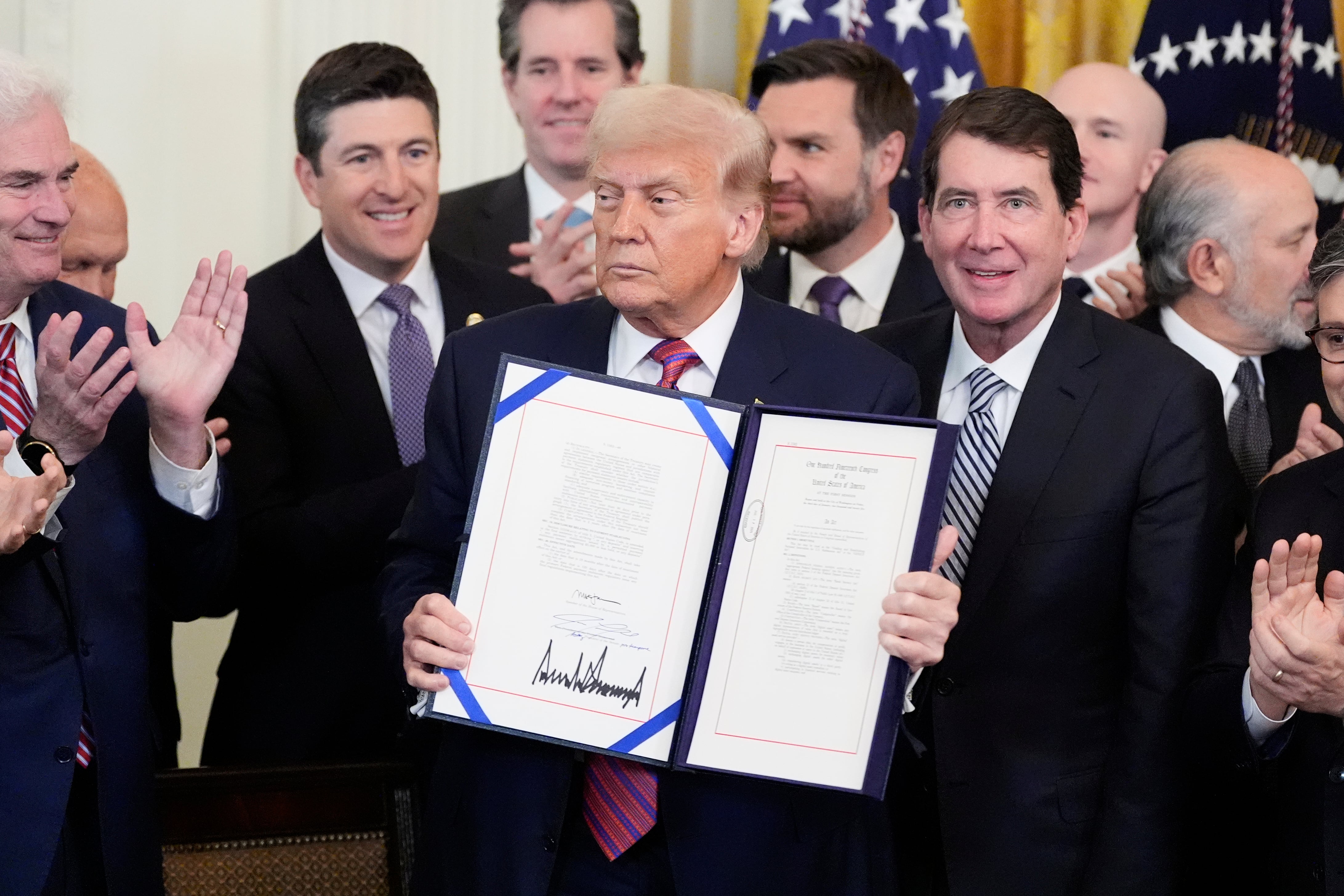
President Donald Trump has signed the GENIUS Act into law, setting new regulations for stablecoins, a type of cryptocurrency tied to assets like the U.S. dollar.
A top Federal Reserve official said late Thursday that the central bank should cut its key interest rate later this month, carving out a different view than that of Chair Jerome Powell
Stocks fell on Wall Street as the Trump administration stepped up pressure on trading partners to make deals before punishing tariffs imposed by the U.S. take effect.
A stark disagreement over regulating AI in Republicans’ tax cut and spending bill is the latest tension among conservatives about whether to let states continue to put guardrails on emerging technologies or minimize such interference.
Amanda Chu of POLITICO reveals how lawmakers are betting millions on pharma stocks even as Trump threatens tariffs and demands steep drug price cuts. Watch!
At some 940-pages, the legislation is a sprawling collection of tax breaks, spending cuts and other Republican priorities, including new money for national defense and deportations.