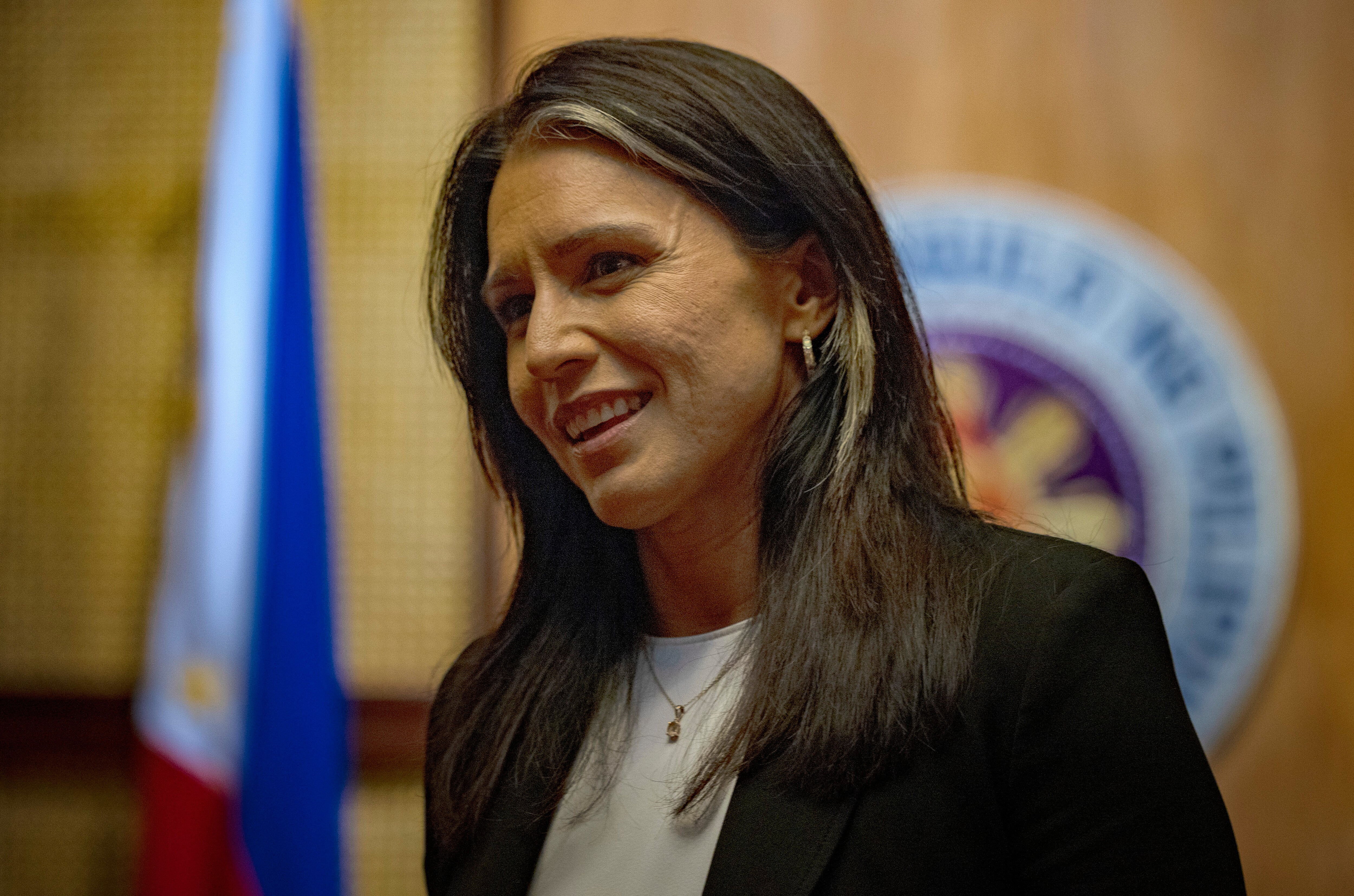
WASHINGTON (AP) — Artificial intelligence is speeding up the work of America’s intelligence services, Director of National Intelligence Tulsi Gabbard said Tuesday.
Speaking to a technology conference, Gabbard said AI programs, when used responsibly, can save money and free up intelligence officers to focus on gathering and analyzing information. The sometimes slow pace of intelligence work frustrated her as a member of Congress, Gabbard said, and continues to be a challenge.
AI can run human resource programs, for instance, or scan sensitive documents ahead of potential declassification, Gabbard said. Her office has released tens of thousands of pages of material related to the assassinations of President John F. Kennedy and his brother, New York Sen. Robert F. Kennedy, on the orders of President Donald Trump.
Experts had predicted the process could take many months or even years, but AI accelerated the work by scanning the documents to see if they contained any material that should remain classified, Gabbard said during her remarks at the Amazon Web Services Summit in Washington.
“We have been able to do that through the use of AI tools far more quickly than what was done previously — which was to have humans go through and look at every single one of these pages,” Gabbard said.
The intelligence community already relies on many private-sector technologies, and Gabbard said she wants to expand that relationship instead of using federal resources to create expensive alternatives.
“How do we look at the available tools that exist — largely in the private sector — to make it so that our intelligence professionals, both collectors and analysts, are able to focus their time and energy on the things that only they can do," she said.
Gabbard, who coordinates the work of 18 intelligence agencies, has vowed to shake up America’s spy services.
Since assuming her role this year, she has created a new task force to consider changes to agency operations as well as greater declassification. She also has fired two veteran intelligence officers because of perceived opposition to Trump, eliminated diversity, equity and inclusion programs and relocated the staff who prepare the President’s Daily Brief to give her more direct control.
Spain's government has fined Airbnb 64 million euros or $75 million for advertising unlicensed tourist rentals. The consumer rights ministry announced the fine on Monday. The ministry stated that many listings lacked proper license numbers or included incorrect information. The move is part of Spain's ongoing efforts to regulate short-term rental companies amid a housing affordability crisis especially in popular urban areas. The ministry ordered Airbnb in May to remove around 65,000 listings for similar violations. The government's consumer rights minister emphasized the impact on families struggling with housing. Airbnb said it plans to challenge the fine in court.
The Islamic State group and other militant organizations are experimenting with artificial intelligence as a tool to boost recruitment and refine their operations. National security experts say that just as businesses, governments and individuals have embraced AI, extremist groups also will look to harness the power of AI. That means aiming to improve their cyberattacks, breaking into sensitive networks and creating deepfakes that spread confusion and fear. Leaders in Washington have responded with calls to investigate how militant groups are using AI and seek ways to encourage tech companies to share more about how their products are being potentially misused.
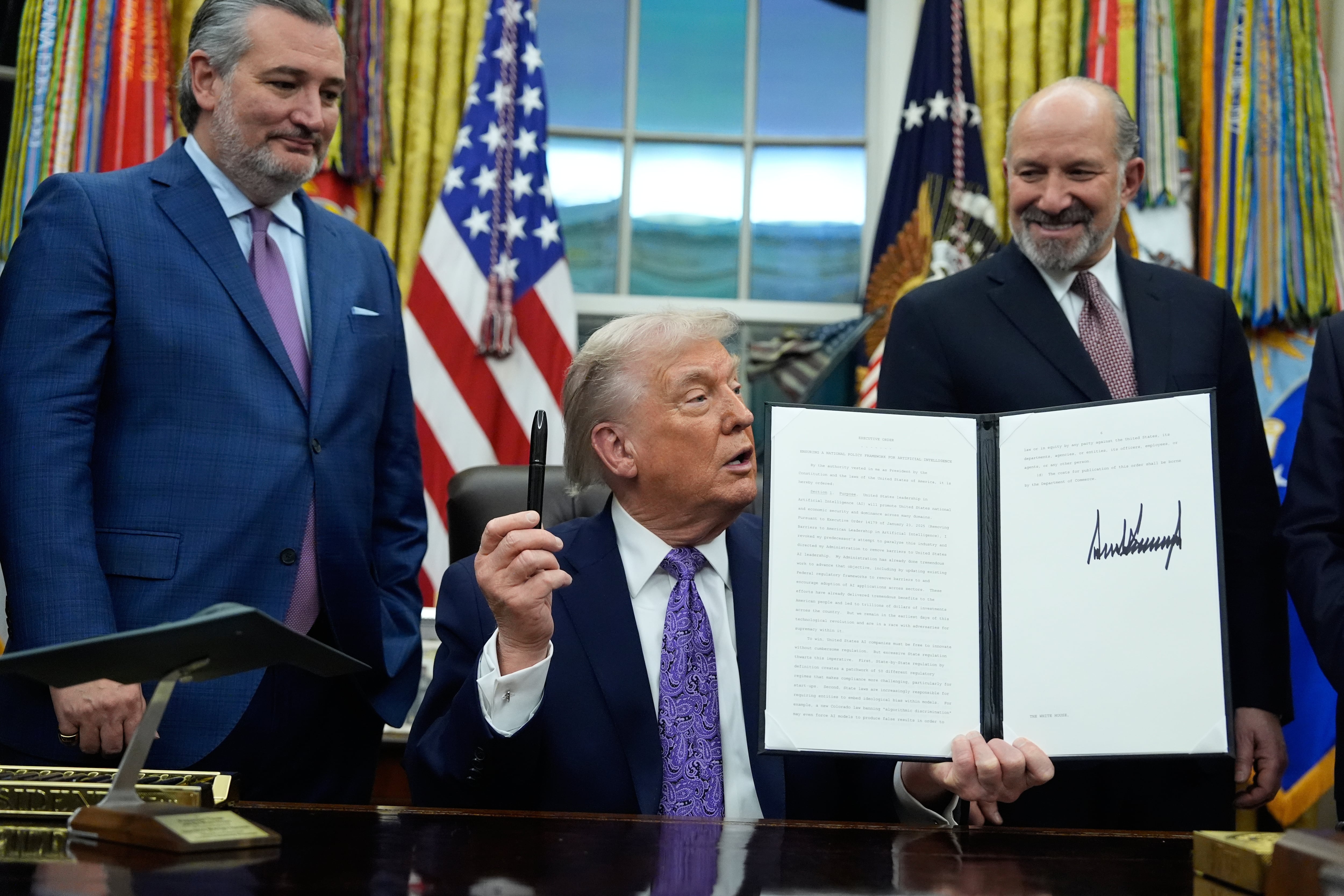
President Donald Trump has signed an executive order to block states from regulating artificial intelligence. He argues that heavy regulations could stifle the industry, especially given competition from China. Trump says the U.S. needs a unified approach to AI regulation to avoid complications from state-by-state rules. The order directs the administration to draw up a list of problematic regulations for the Attorney General to challenge. States with laws could lose access to broadband funding, according to the text of the order. Some states have already passed AI laws focusing on transparency and limiting data collection.
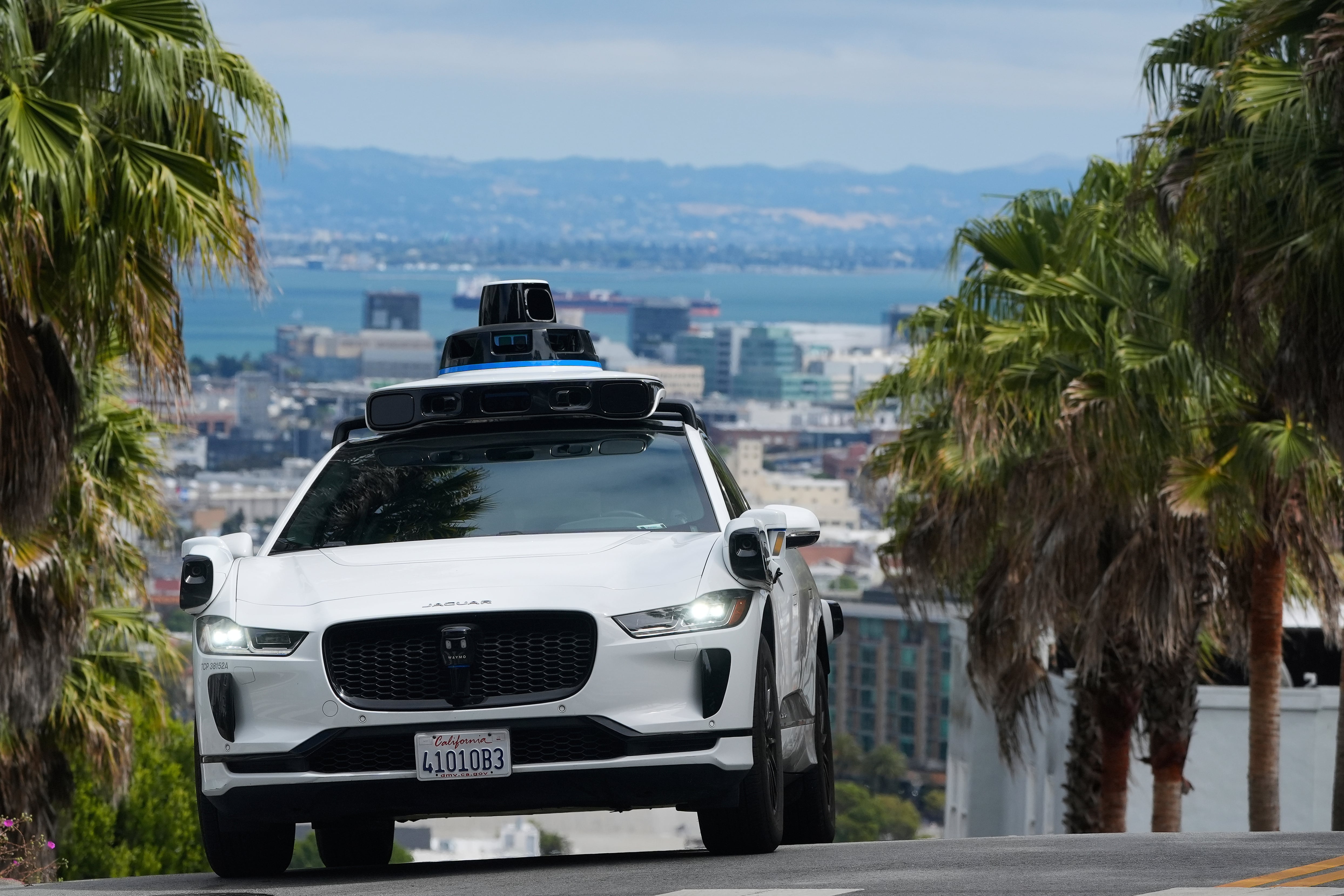
Waymo's self-driving taxis have been in the spotlight for both negative and positive reasons. This week, the automated ride-hailing taxis went viral after a San Francisco woman gave birth inside a Waymo taxi while on her way to the hospital. A Waymo spokesperson on Wednesday confirmed the unusual delivery. It said the company's rider support team detected unusual activity inside the vehicle and alerted 911. The taxi arrived safely at the hospital before emergency services. Waymo's popularity is growing despite heightened scrutiny following an illegal U-turn and the death of a San Francisco cat. The company, owned by Alphabet, says it is proud to serve riders of all ages.
OpenAI has appointed Slack CEO Denise Dresser as its first chief of revenue. Dresser will oversee global revenue strategy and help businesses integrate AI into daily operations. OpenAI CEO Sam Altman recently emphasized improving ChatGPT, which now has over 800 million weekly users. Despite its success, OpenAI faces competition from companies like Google and concerns about profitability. The company earns money from premium ChatGPT subscriptions but hasn't ventured into advertising. Altman had recently announced delays in developing new products like AI agents and a personal assistant.
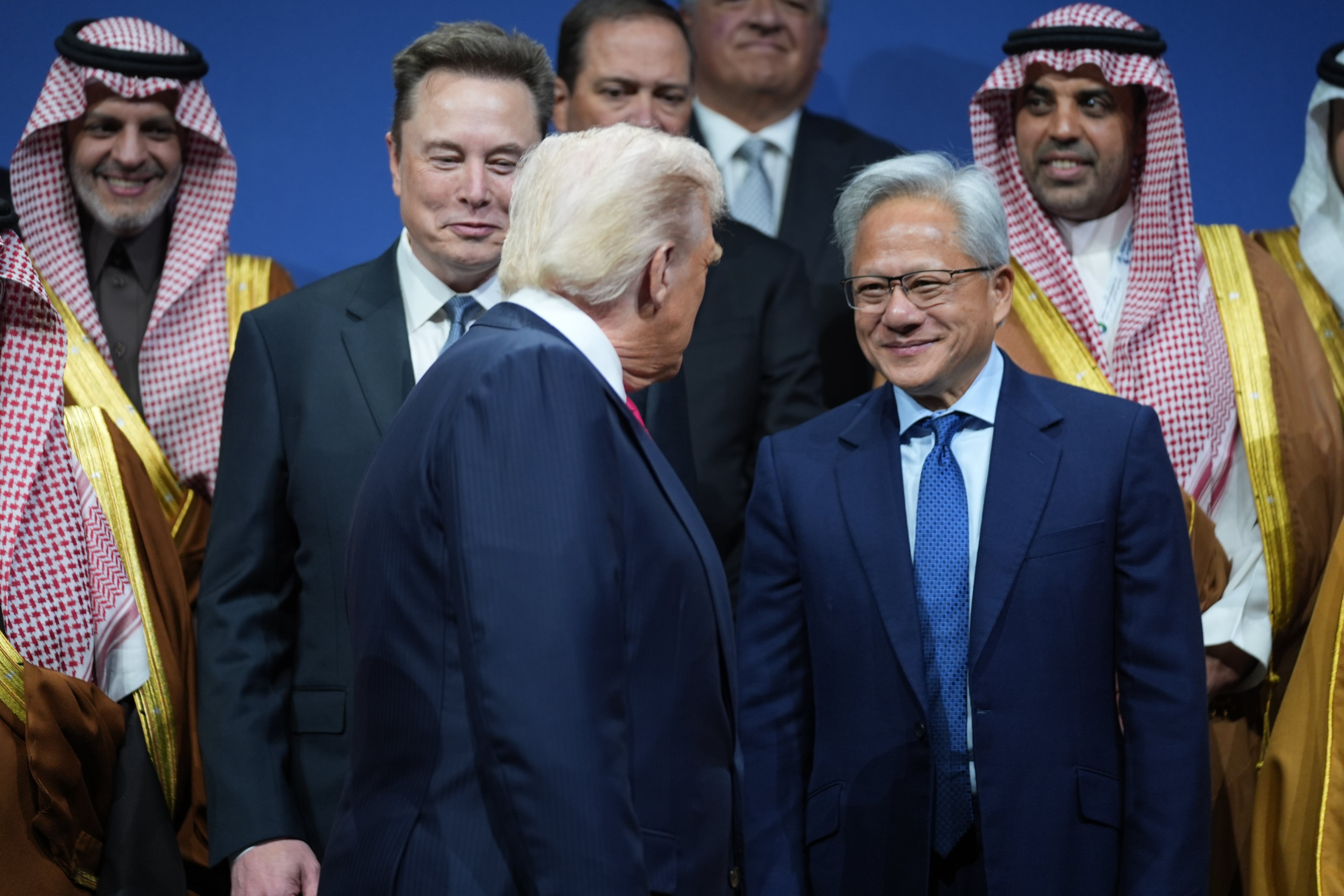
President Donald Trump says he will allow Nvidia to sell its H200 computer chip used in the development of artificial intelligence to “approved customers” in China. Trump said Monday on his social media site that he had informed China’s leader Xi Jinping and “President Xi responded positively!” There had been concerns about allowing advanced computer chips into China as it could help them to compete against the U.S. in building out AI capabilities. But there has also been a desire to develop the AI ecosystem with American companies such as chipmaker Nvidia.