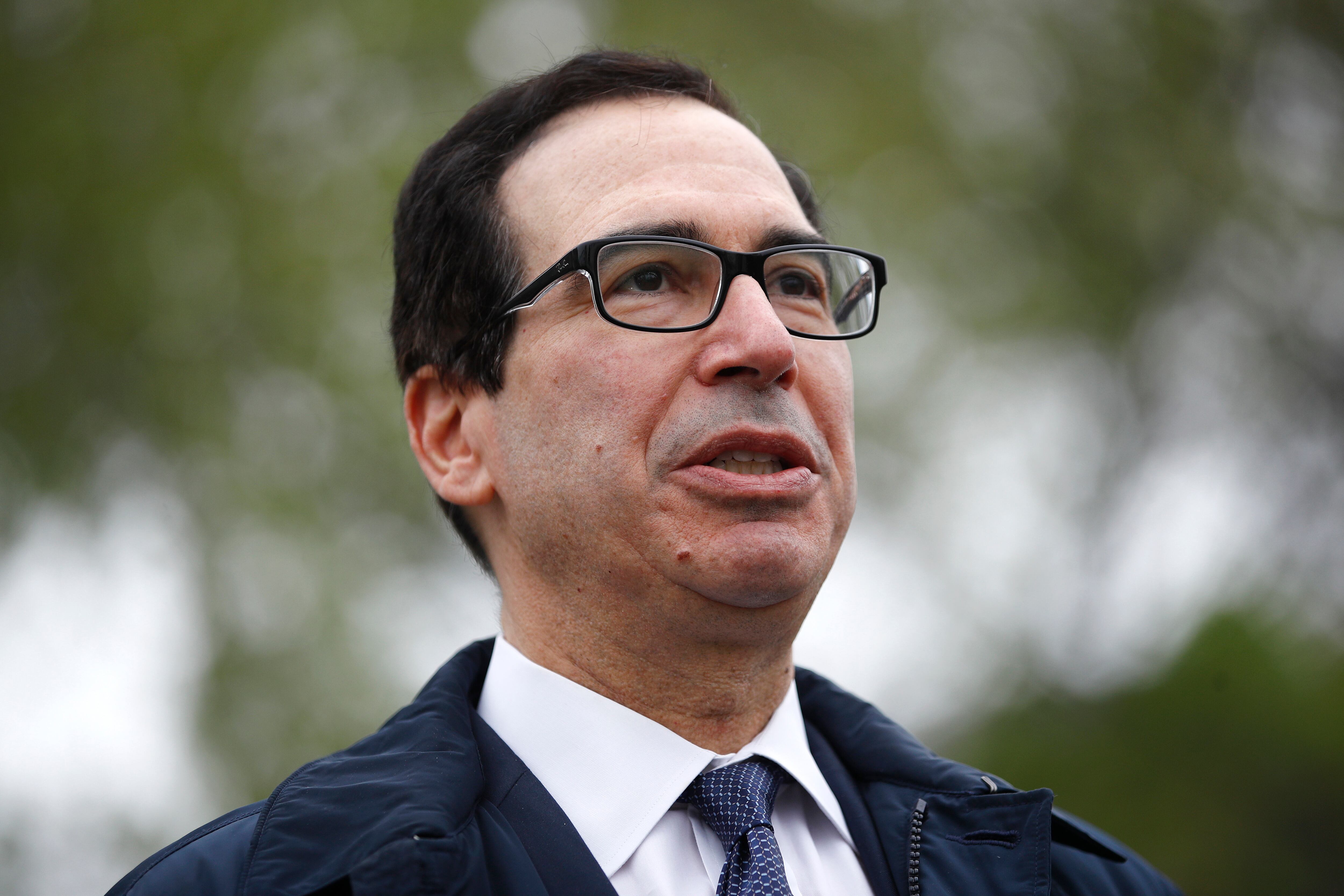
Former Treasury Secretary Steven Mnuchin said Thursday that he will put together an investor group to buy TikTok after the House passed a bill that would ban the popular video app in the U.S. if its China-based owner does not sell its stake.
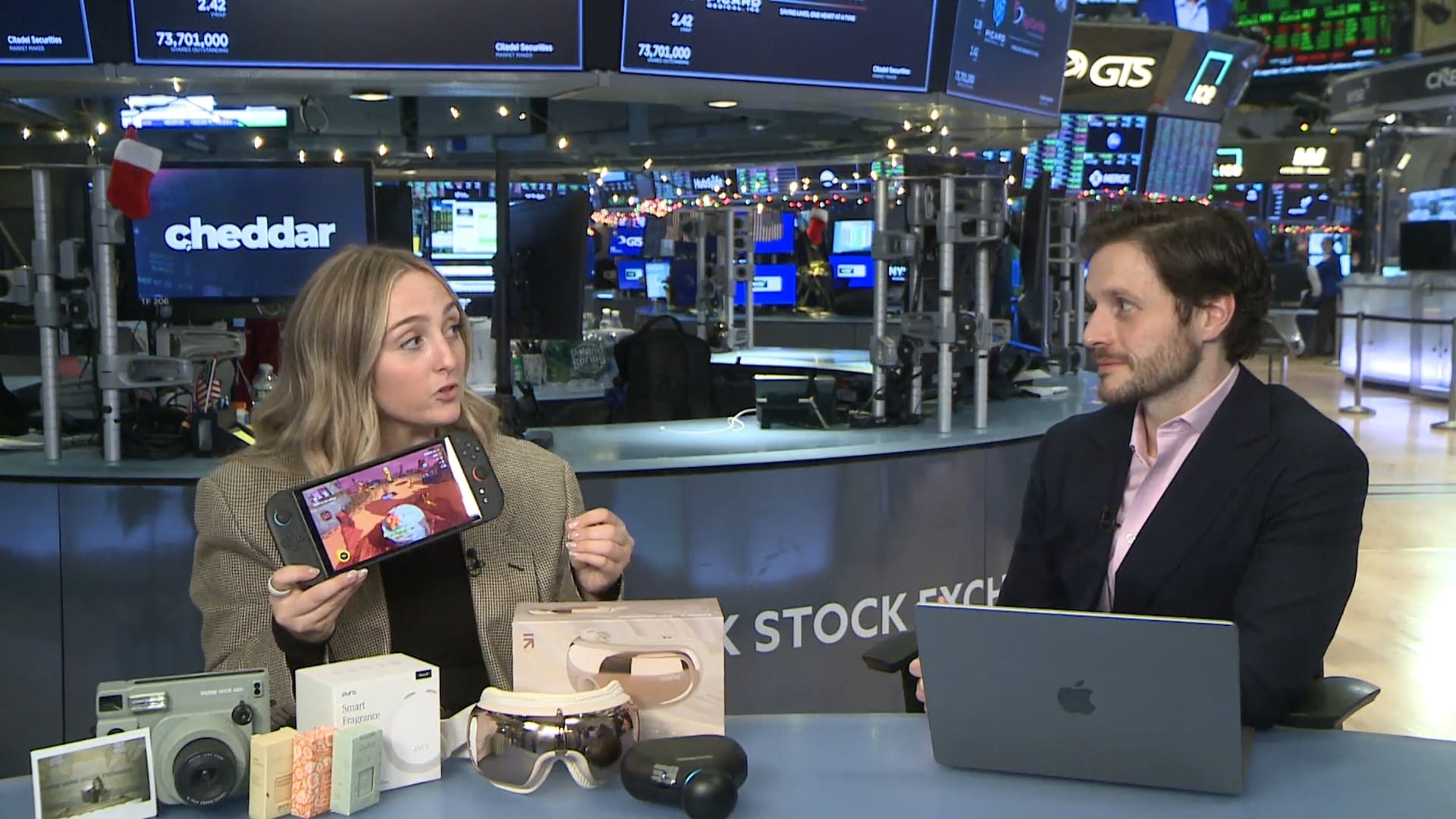
During an interview on CNBC’s “Squawk Box," Mnuchin, who served under President Donald Trump, said he had spoken “to a bunch of people” about creating an investor group that would purchase the popular social media company. He offered no details about who may be in the group or about TikTok’s possible valuation.
“This should be owned by U.S. businesses," Mnuchin said. “There’s no way that the Chinese would ever let a U.S. company own something like this in China.”
TikTok did not immediately respond to a request for comment.
The House bill, passed by a vote of 352-65, now goes to the Senate, where its prospects are unclear. Lawmakers in the Senate have indicated that the measure will undergo a thorough review. If it passes in the Senate, President Joe Biden has said he will sign it.
House lawmakers acted on concerns that TikTok’s current ownership structure is a national security threat. Lawmakers from both parties and administration officials have voiced concerns that TikTok's parent company, ByteDance, could be compelled by Chinese authorities to hand over data on American users, spread pro-Beijing propaganda or suppress topics unfavorable to the Chinese government.
TikTok, for its part, has long denied that it could be used as a tool of Chinese authorities. The company insists it has never shared U.S. user data with the Chinese government and will not do so if asked. To date, the U.S. government also has not provided evidence that shows TikTok shared such information with authorities in China.
The fight over the platform takes place as U.S.-China relations have shifted into strategic rivalry, especially in areas such as advanced technology and data security, seen as essential to each country’s economic prowess and national security.
If passed and signed into law, the House bill would give ByteDance 180 days to sell the platform to a buyer that satisfies the U.S. government. It would also require the company to give up control of the TikTok algorithm that feeds users videos based off their preferences.
In addition to Mnuchin, some other investors, including “Shark Tank” star Kevin O’Leary, have voiced interest in buying TikTok's U.S. business. But experts have said it could be challenging for ByteDance to sell the platform to a buyer who could afford it in a few months.
Big tech companies are best positioned to make such a purchase, but they would likely face intense scrutiny from antitrust regulators, which Mnuchin emphasized.
“I don't think this should be controlled by any of the big U.S. tech companies. I think there could be antitrust issues on that,” he said during the interview. “This should be something that's independent so we have a real competitor. And users love it, so it shouldn't be shut down.”
He also said the app would need to be rebuilt in the U.S. with new technology.
In many ways, social media companies have become battlegrounds for partisan disagreements about how to control disinformation while protecting free speech. Mnuchin’s effort to buy TikTok comes as Trump and his allies have long complained about what they see as social media muzzling conservative voices.
Trump himself has voiced opposition to the House bill, saying that a ban on TikTok would help its rival, Facebook, which he continues to lambast over his 2020 election loss. Some other Republicans who oppose the bill say the U.S. should simply tell Americans about the security concerns with TikTok, but let them decide if they want to use the platform.
Meanwhile, some Democrats have expressed concern about singling out one company when other social media platforms also collect vast amounts of data on users. Opponents of the bill also say it would disrupt the lives of content creators who rely on the platform for income and run afoul of the First Amendment, which protects free speech.
This isn't the first time a TikTok sale has been in play.
When Mnuchin was Treasury secretary, the Trump administration brokered a deal in 2020 that would have had U.S. corporations Oracle and Walmart take a large stake in TikTok on national security grounds.
The deal would have also made Oracle responsible for hosting all TikTok’s U.S. user data and securing computer systems to ensure national security requirements are satisfied. Microsoft also made a failed bid for TikTok that its CEO, Satya Nadella, later described as the “strangest thing" he had ever worked on.
Instead of congressional action, the 2020 arrangement was in response to a series of executive actions by Trump targeting TikTok.
But the sale never went through for a number of reasons. Trump’s executive orders got held up in court as the 2020 presidential election loomed. China also imposed stricter export controls on its technology providers.