By Carla K. Johnson
Only 1 in 4 residential treatment centers for teens offers a recommended medicine for opioid addiction, according to a study that exposes an important gap in care.
Posing as an aunt or uncle seeking help for a fictitious 16-year-old who survived a fentanyl overdose, researchers called U.S. rehabs and asked if they offered the treatment medication buprenorphine.
Of 160 facilities with care for teens, just 39 provided buprenorphine, also known by the brand name Suboxone. One hundred said they didn't and 21 said they didn't know.
“As somebody who’s tried to promote the use of evidence-based treatments for addiction my whole career, it was jaw-dropping,” said Dr. Todd Korthuis of Oregon Health & Science University in Portland, a co-author of the study published Tuesday in the Journal of the American Medical Association.
Teen drug use in the United States is stable or declining. But the drug supply is tainted with fentanyl, driving fatal overdoses higher and making youthful experimentation potentially deadly.
Parents describe long, frustrating searches for help.
“It’s such an overwhelming situation for a parent to be in,” said Tracy Swartley of suburban Portland, Oregon, whose 19-year-old Eagle Scout son survived a fentanyl overdose and was able to start buprenorphine while in a residential treatment program. “You realize the choice you make is going to make a massive impact on the success of your child.”
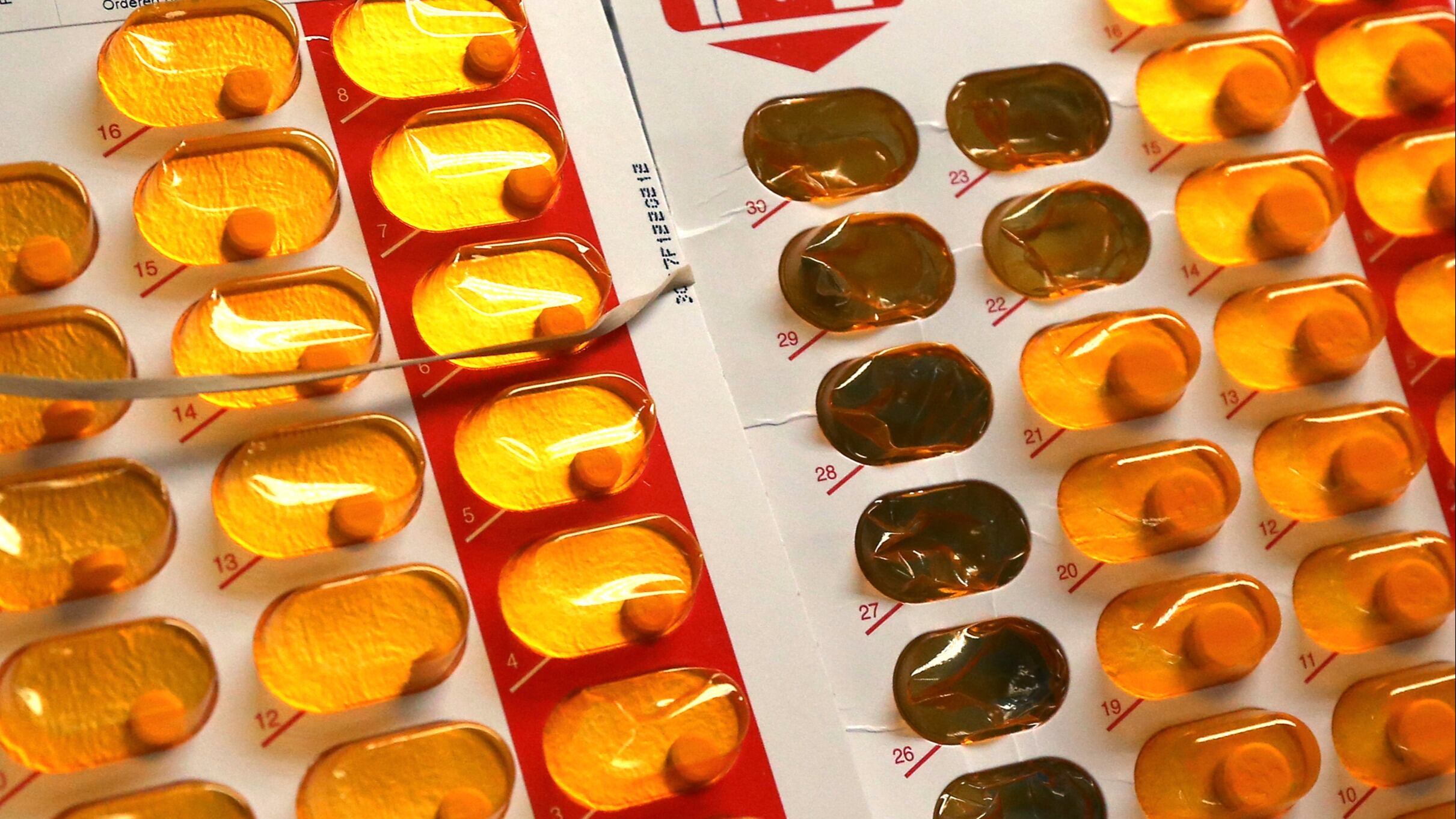
Buprenorphine can be a “life-saving medication,” said Dr. Petros Levounis, an addiction psychiatrist and president of the American Psychiatric Association. Considered standard care, it is the only medication approved for teens 16 and older with opioid use disorder. It works by reducing cravings so a patient can begin the work of recovery.
Despite guidelines recommending medication and evidence it prevents overdose deaths, buprenorphine and other treatment drugs aren't universally accepted. Some believe they replace one drug with another and that abstinence is the best recovery path. Other research suggests only two-thirds of rehab centers for adults offer medication.
The survey was done last year, before a new law eliminated the need for doctors to get a special waiver to prescribe it. That change may improve access, said Levounis, who was not involved in the research. Residential care is not the only alternative, he said, and parents should start by getting an evaluation from an addiction specialist.
In the study, the “secret shoppers” called more than 300 facilities listed on a government website as providing residential care for teens. They ran into wrong numbers, adults-only facilities and a few that didn’t answer the phone. The 160 centers in the study were not identified.
The researchers found youth rehabs were just as likely to offer art, music or horse therapy as they were to offer buprenorphine.
Based on their results, the average parent would have to make nine phone calls to find a facility offering the medicine to a 16-year-old, said study co-author Dr. Caroline King, an emergency medicine resident at Yale University in New Haven.
“These families have to do a lot of legwork," King said.
The “secret shopper” strategy may have missed some rehabs that provide the medication, King acknowledged. But researchers also heard misinformation about buprenorphine, said King who posed as a concerned aunt when she made calls.
“A lot of people told us crazy things,” King recalled, "like 'It’s the worst thing you could do for your kid. Don’t trust your doctor.'”
Very few states require facilities to offer medication as a condition for licensure, but that could be a solution to the treatment gap, said Brendan Saloner, an addiction researcher at Johns Hopkins Bloomberg School of Public Health, who was not involved in the study.
The Associated Press Health and Science Department receives support from the Howard Hughes Medical Institute’s Science and Educational Media Group. The AP is solely responsible for all content.