Fed’s Powell Highlights Slowing Job Market in Possible Rate Cuts Sign
By Christopher Rugaber
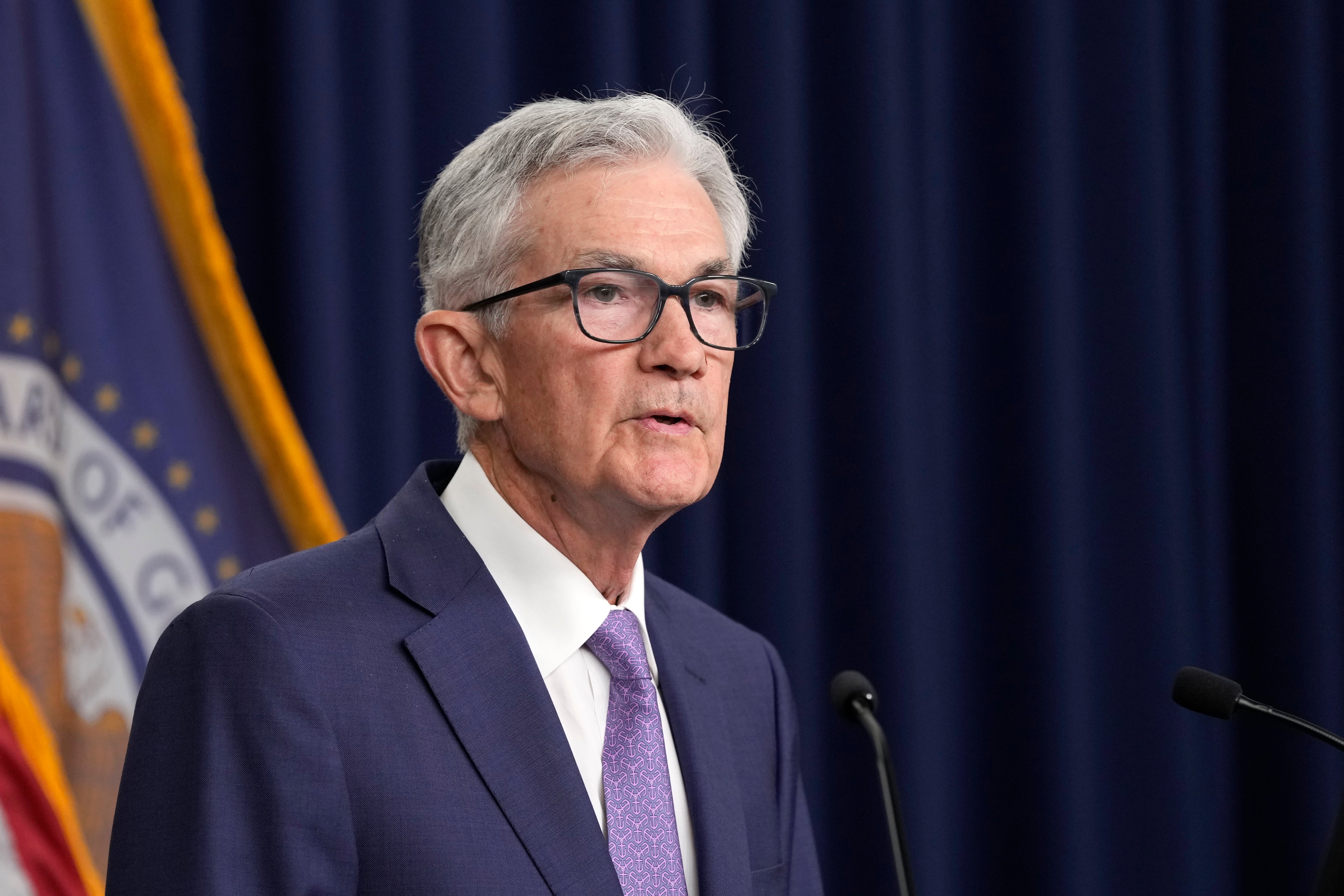
FILE - Federal Reserve Board Chair Jerome Powell speaks at a news conference at the Federal Reserve in Washington, June 12, 2024. Powell testifies to the Senate Banking Committee on Tuesday, July 9, 2024. (AP Photo/Susan Walsh, File)
WASHINGTON (AP) — The Federal Reserve faces a cooling job market as well as persistently high prices, Chair Jerome Powell said in written testimony Tuesday, a shift in emphasis away from the Fed’s single-minded fight against inflation of the past two years that suggests it is moving closer to cutting interest rates.
The Fed has made “considerable progress” toward its goal of defeating the worst inflation spike in four decades, Powell said in his testimony to the Senate Banking Committee.
"Inflation has eased notably” in the past two years, he added, though it still remains above the central bank’s 2% target.
Powell pointedly noted that “elevated inflation is not the only risk we face." Cutting rates “too late or too little could unduly weaken economic activity and employment,” he said.
The Fed chair is addressing the Senate panel on the first of two days of semi-annual testimony to Congress. On Wednesday, he will testify to the House Financial Services Committee.
From March 2022 to July 2023, the Fed raised its benchmark interest rate 11 times to a two-decade high of 5.3% to fight inflation, which peaked at 9.1% two years ago. Those hikes increased the cost of consumer borrowing by raising rates for mortgages, auto loans and credit cards, among other forms of borrowing. The goal was to slow borrowing and spending and cool the economy.
In the past, Powell and other Fed policymakers have repeatedly stressed that the economy's strength and low unemployment rate meant they could be patient about cutting rates and wait to ensure that inflation was truly in check.
But on Tuesday, Powell said the job market has “cooled while remaining strong." And he added that the economy's growth has moderated after a strong expansion in the second half of last year. Last week, the government reported that hiring remained solid in June, though the unemployment rate rose for a third straight month to 4.1%.
Powell's prepared testimony Tuesday did not provide what Wall Street investors are watching for most closely: Any clear indication of the timing for when the Fed might make its first rate cut. But the testimony will likely harden investors' and economists' expectations that the first reduction will come at the central bank's September meeting.
Last week, Powell said at a monetary policy conference in Portugal that there had been “quite a bit of progress on inflation,” something that Fed officials have said they need to see consistently before they would feel confident enough to cut rates. In May, year-over-year inflation fell to just 2.6%, according to the Fed’s preferred measure, not far above its 2% target and down sharply from a peak of 7.1% two years ago.
On Thursday, the government will issue the latest reading of the better-known consumer price index. The CPI is expected to show a yearly increase of just 3.1% in June, down from 3.3% in May.
Such signs of cooling inflation, along with evidence that the economy and job market are slowing, have intensified calls for the Fed to cut it benchmark rate. Several Democratic senators, including Elizabeth Warren from Massachusetts, a key member of the Senate Banking Committee, have written letters to Powell, urging him to start reducing rates.
Investors have put the likelihood of a Fed rate cut in September at about 76%, according to CME FedWatch, up from just 50-50 a month ago.
Powell’s comments last week and minutes from the Fed’s June meeting released last week have boosted that probability. The Fed chair noted that inflation resumed its slowdown after data for the first three months of this year had suggested that inflation might be picking up. And the minutes showed that most Fed officials believe the economy is cooling, which makes a rate cut more likely.
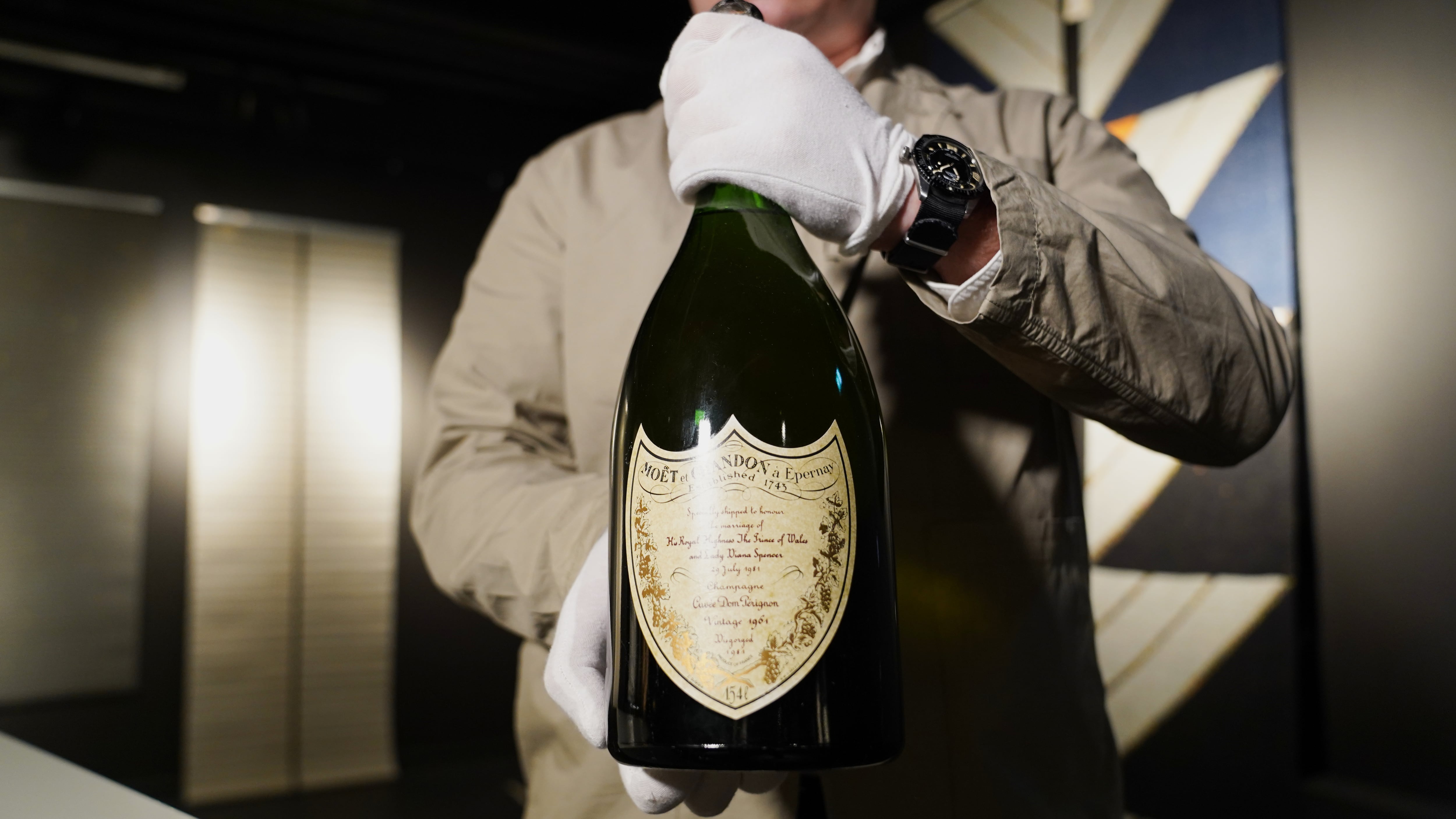
A rare magnum of Dom Pérignon Vintage 1961 champagne that was specially produced for the 1981 wedding of Prince Charles and Lady Diana has failed to sell during an auction. Danish auction house Bruun Rasmussen handled the bidding Thursday. The auction's house website lists the bottle as not sold. It was expected to fetch up to around $93,000. It is one of 12 bottles made to celebrate the royal wedding. Little was revealed about the seller. The auction house says the bids did not receive the desired minimum price.
The New York Times and President Donald Trump are fighting again. The news outlet said Wednesday it won't be deterred by Trump's “false and inflammatory language” from writing about the 79-year-old president's health. The Times has done a handful of stories on that topic recently, including an opinion column that said Trump is “starting to give President Joe Biden vibes.” In a Truth Social post, Trump said it might be treasonous for outlets like the Times to do “FAKE” reports about his health and "we should do something about it.” The Republican president already has a pending lawsuit against the newspaper for its past reports on his finances.
OpenAI has appointed Slack CEO Denise Dresser as its first chief of revenue. Dresser will oversee global revenue strategy and help businesses integrate AI into daily operations. OpenAI CEO Sam Altman recently emphasized improving ChatGPT, which now has over 800 million weekly users. Despite its success, OpenAI faces competition from companies like Google and concerns about profitability. The company earns money from premium ChatGPT subscriptions but hasn't ventured into advertising. Altman had recently announced delays in developing new products like AI agents and a personal assistant.
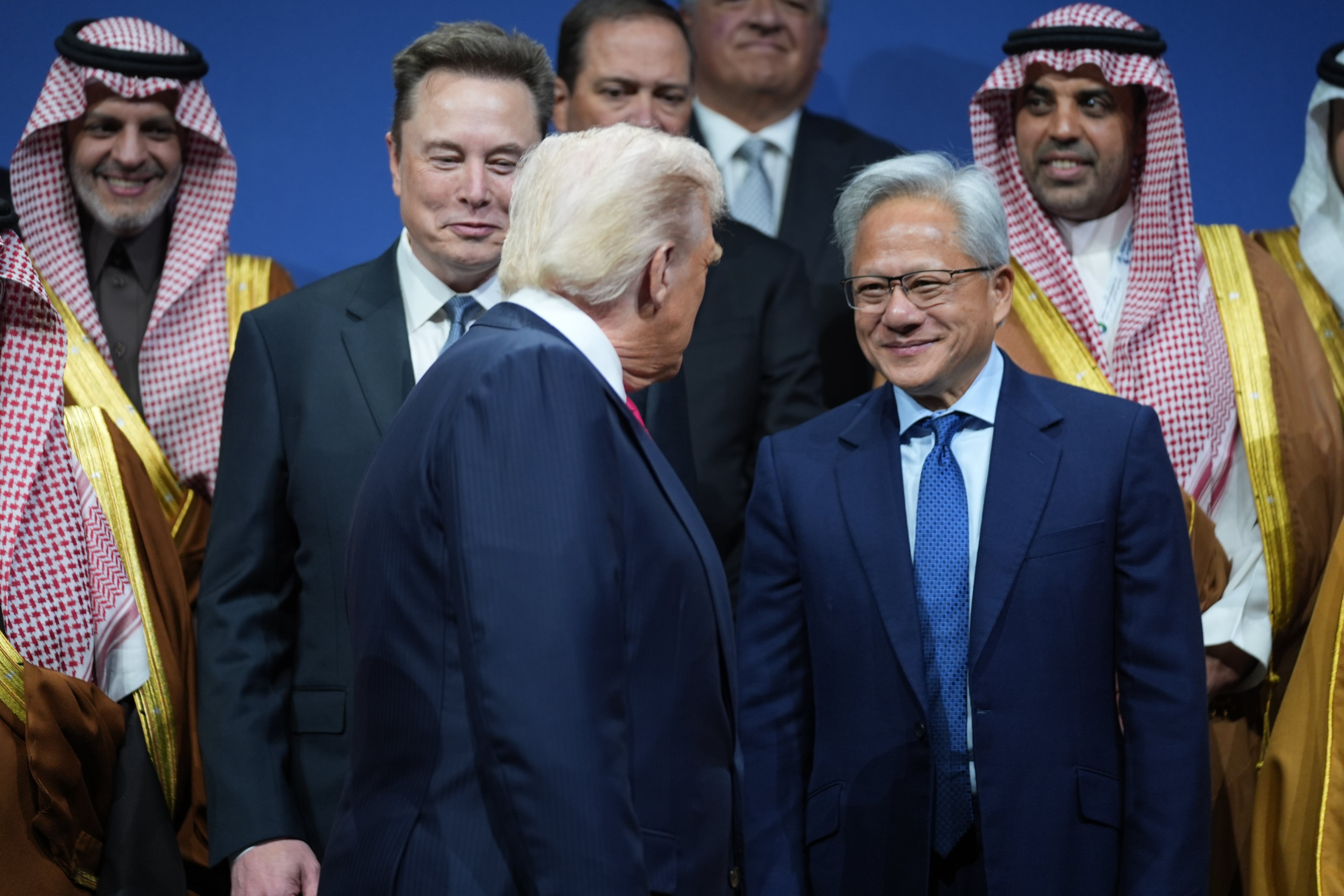
President Donald Trump says he will allow Nvidia to sell its H200 computer chip used in the development of artificial intelligence to “approved customers” in China. Trump said Monday on his social media site that he had informed China’s leader Xi Jinping and “President Xi responded positively!” There had been concerns about allowing advanced computer chips into China as it could help them to compete against the U.S. in building out AI capabilities. But there has also been a desire to develop the AI ecosystem with American companies such as chipmaker Nvidia.
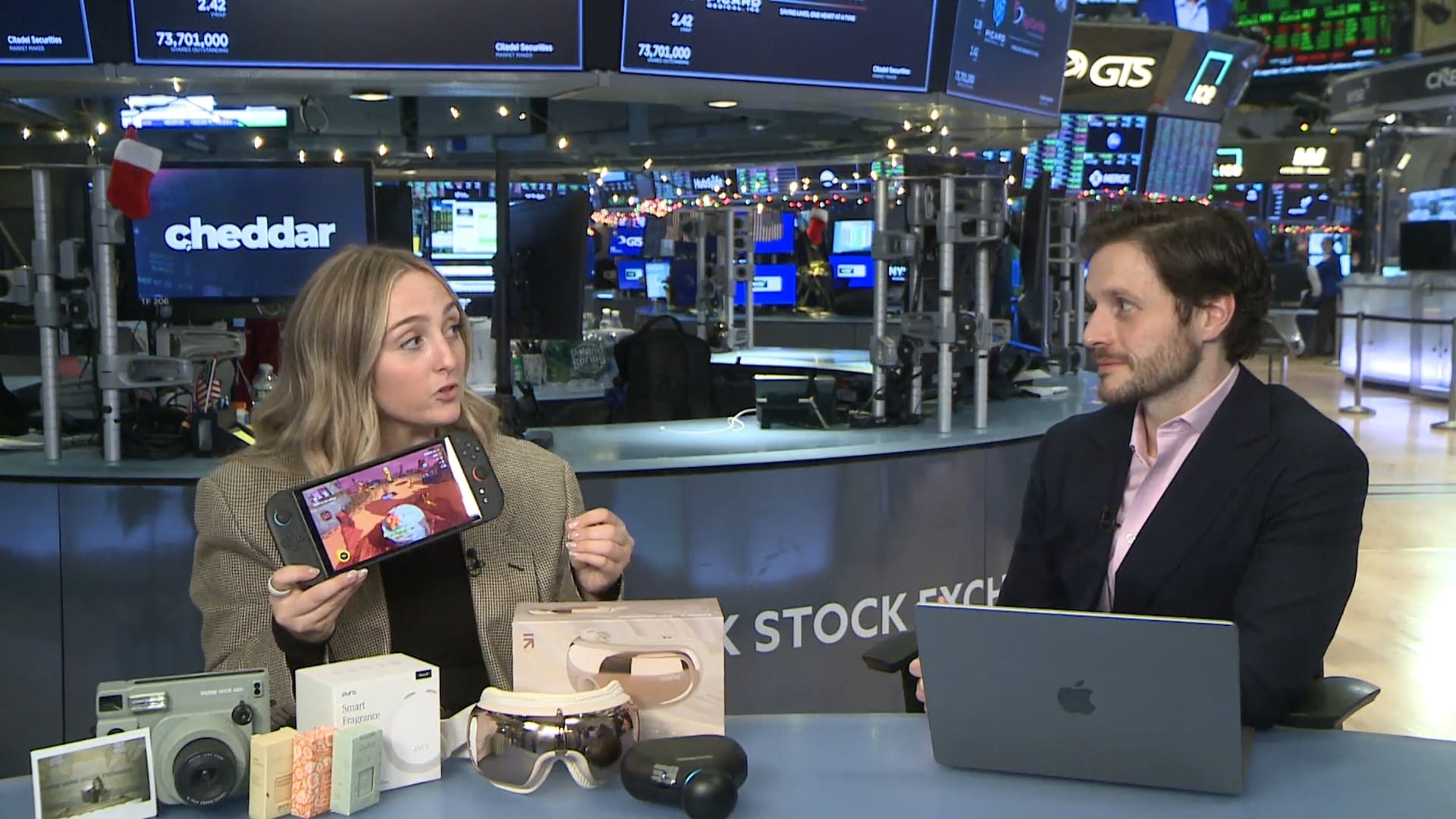
U.S. sports betting is booming as NFL and college football fuel massive activity. BetMGM CEO Adam Greenblatt breaks down trends, growth, and what’s next.
President Donald Trump says a deal struck by Netflix last week to buy Warner Bros. Discovery “could be a problem” because of the size of the combined market share. The Republican president says he will be involved in the decision about whether federal regulators should approve the deal. Trump commented Sunday when he was asked about the deal as he walked the red carpet at the Kennedy Center Honors. The $72 billion deal would bring together two of the biggest players in television and film and potentially reshape the entertainment industry.
Disney's changes to a program for disabled visitors are facing challenges in federal court and through a shareholder proposal. The Disability Access Service program, which allows disabled visitors to skip long lines, was overhauled last year. Disney now mostly limits the program to those with developmental disabilities like autism who have difficulty waiting in lines. The changes have sparked criticism from some disability advocates. A shareholder proposal submitted by disability advocates calls for an independent review of Disney's disability policies. Disney plans to block this proposal, claiming it's misleading. It's the latest struggle by Disney to accommodate disabled visitors while stopping past abuses by some theme park guests.