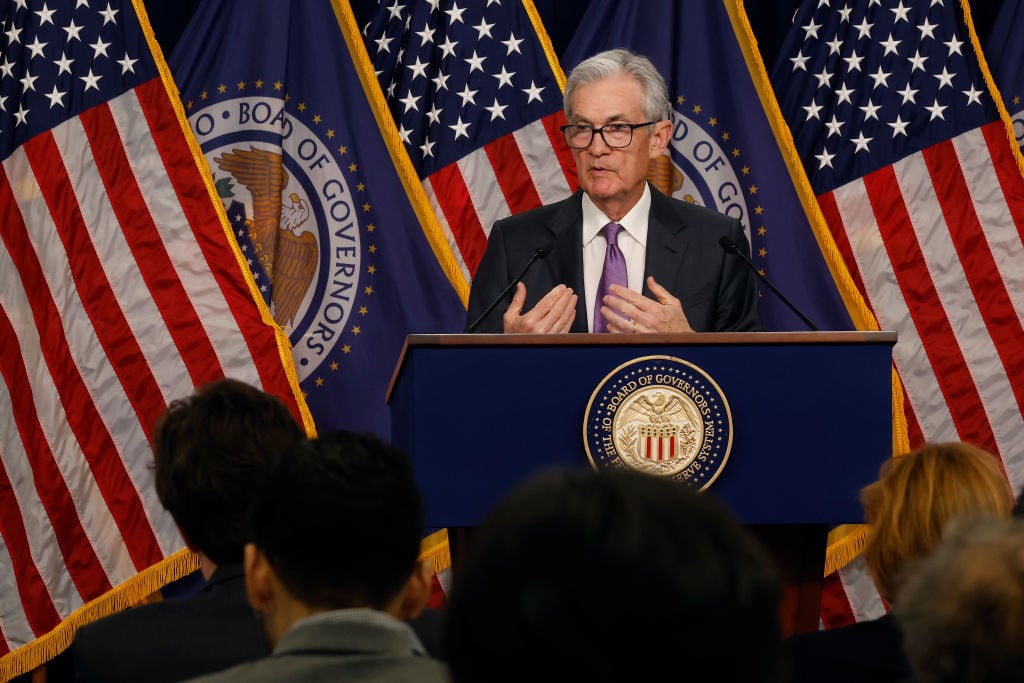
When the Federal Reserve announces any decision regarding interest rates, the economy listens. That was the case on Wednesday, as chairman Jerome Powell gave the Fed’s decision after it wrapped up its latest two-day policy meeting.
Powell announced that the Fed will keep the interest rate at their current level of 5.25-5.5 percent, their highest for nearly 20 years. He also hinted that the Fed is unlikely to hike interest rates at its next meeting in June.
Why the Federal Reserve Made this Decision
The Fed’s statement said that economic activity “continued to expand at a solid pace” during the last month with job gains remaining strong and unemployment rates low. This explains why the Fed is reluctant to change interest rates at present. However, on a slightly less positive note, the statement also pointed out that “In recent months, there has been a lack of further progress towards the Committee’s 2 percent inflation objective.”
Because the Federal Reserve makes its interest rate decisions based on this core objective, keeping interest rates higher could potentially keep a lid on inflation. As always, the Fed said that it will pay attention to data and the evolving economic outlook over the next month. As it stands right now, the data from Tuesday suggests that wage growth picked up in the early portion of the year.
How Did Stock Markets React To the Decision?
The S&P 500 index saw a steep fall on Tuesday, the day before the decision and the fall meant that April was its worst performing month since September. Despite this, aAfter the announcement, the market responded quickly. The Dow Jones Industrial Average jumped 400 points on the news. Analysts also now expect first quarter S&P earnings to grow 6.6 percent this year, up from their estimate of 5.1 percent on April 1st.
The reason? Optimism about the future. If the Fed isn’t seeing compelling reasons to consider rate hikes, it suggests that the current status quo will be maintained. In fact, it’s possible that the Fed starts to consider cutting interest rates at a certain point, given their current high levels.
How Will Interest Rates Affect the U.S. This Year?
Interest rates can have a number of effects on the economy. Generally speaking, a rise in interest rates makes borrowing more expensive. The higher the interest rate, the more you pay on loans — which prompts some people to regard interest rates as “the price of money.” The higher these prices are, the more difficult it is to borrow money, which tends to have a stifling effect on the economy. The reverse is also true: if interest rates are low, it can lead to an increase in lending, which tends to spur growth. If more people are consuming and starting businesses, it tends to create more economic activity.
The Federal Reserve ultimately decides what those rates will be. Its decision to keep interest rates high — at least relative to the past few decades — means that the Fed seems to be prioritizing keeping a lid on inflation. That can lead to higher mortgage rates, higher credit card interest rates, and more.
But to finish on a brighter note, the Fed staying put could suggest some optimism for the economy — especially with Powell hinting that the rates likely won’t go up any time soon, barring unforeseen circumstances.
The New York Times and President Donald Trump are fighting again. The news outlet said Wednesday it won't be deterred by Trump's “false and inflammatory language” from writing about the 79-year-old president's health. The Times has done a handful of stories on that topic recently, including an opinion column that said Trump is “starting to give President Joe Biden vibes.” In a Truth Social post, Trump said it might be treasonous for outlets like the Times to do “FAKE” reports about his health and "we should do something about it.” The Republican president already has a pending lawsuit against the newspaper for its past reports on his finances.
OpenAI has appointed Slack CEO Denise Dresser as its first chief of revenue. Dresser will oversee global revenue strategy and help businesses integrate AI into daily operations. OpenAI CEO Sam Altman recently emphasized improving ChatGPT, which now has over 800 million weekly users. Despite its success, OpenAI faces competition from companies like Google and concerns about profitability. The company earns money from premium ChatGPT subscriptions but hasn't ventured into advertising. Altman had recently announced delays in developing new products like AI agents and a personal assistant.
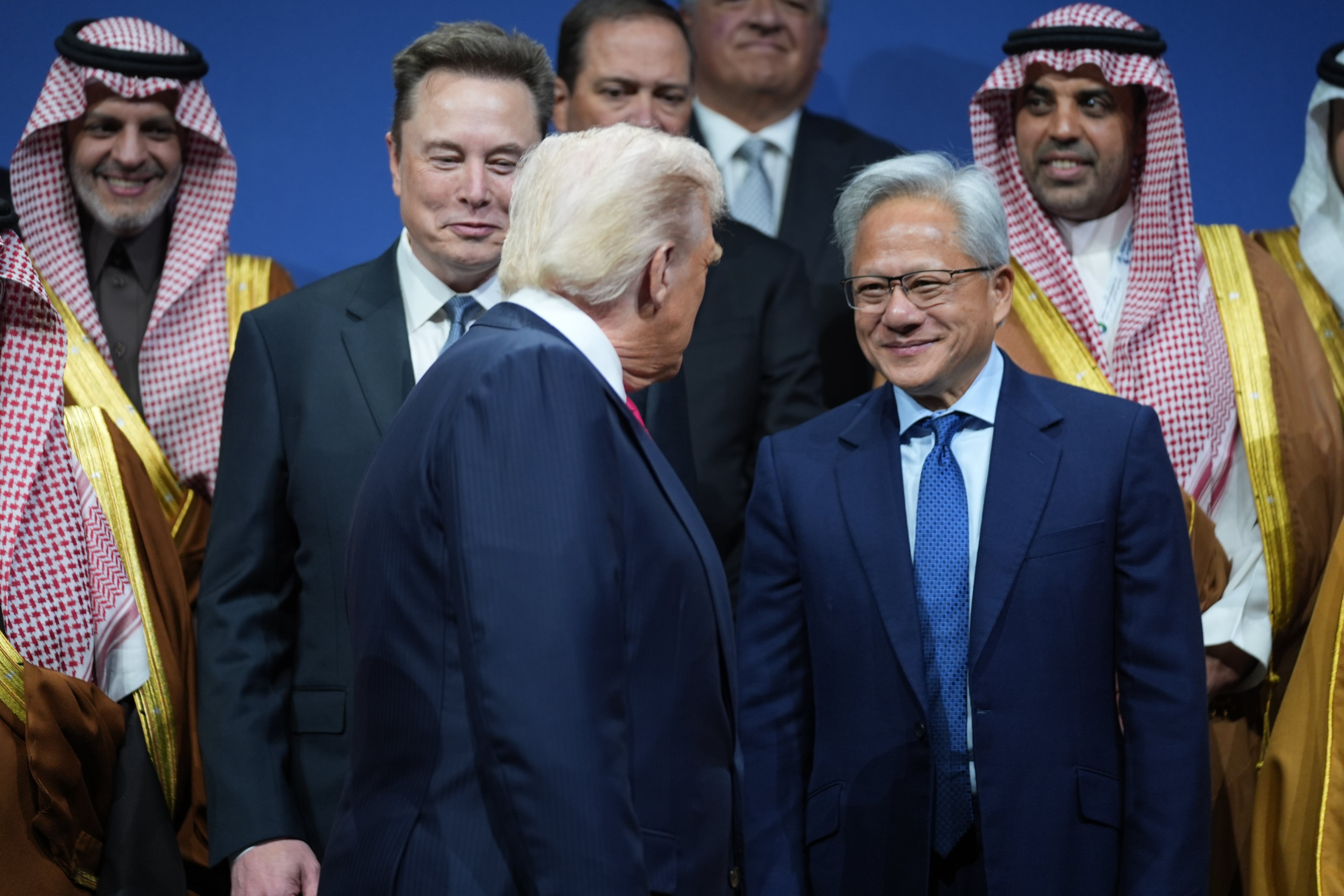
President Donald Trump says he will allow Nvidia to sell its H200 computer chip used in the development of artificial intelligence to “approved customers” in China. Trump said Monday on his social media site that he had informed China’s leader Xi Jinping and “President Xi responded positively!” There had been concerns about allowing advanced computer chips into China as it could help them to compete against the U.S. in building out AI capabilities. But there has also been a desire to develop the AI ecosystem with American companies such as chipmaker Nvidia.
U.S. sports betting is booming as NFL and college football fuel massive activity. BetMGM CEO Adam Greenblatt breaks down trends, growth, and what’s next.
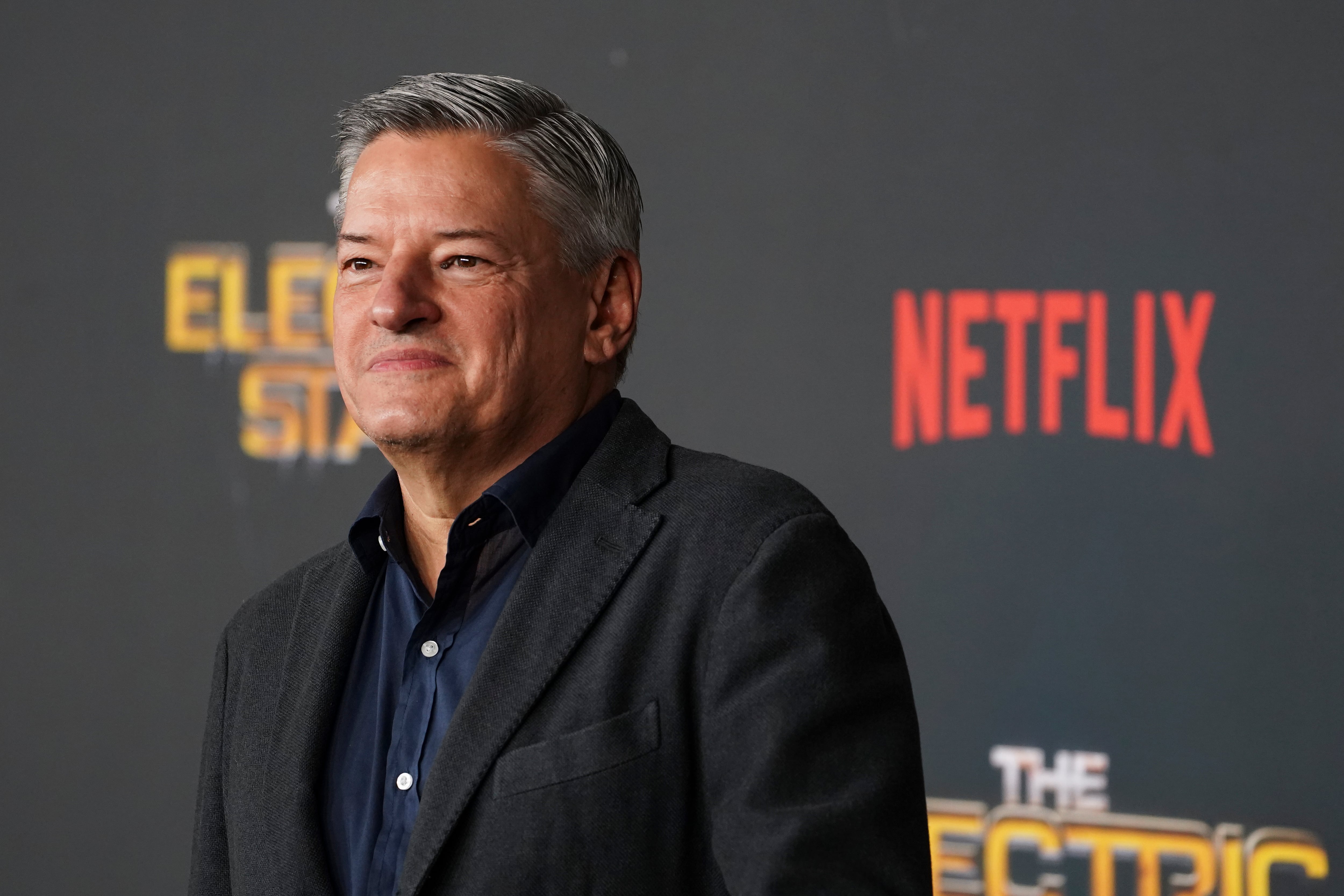
President Donald Trump says a deal struck by Netflix last week to buy Warner Bros. Discovery “could be a problem” because of the size of the combined market share. The Republican president says he will be involved in the decision about whether federal regulators should approve the deal. Trump commented Sunday when he was asked about the deal as he walked the red carpet at the Kennedy Center Honors. The $72 billion deal would bring together two of the biggest players in television and film and potentially reshape the entertainment industry.
Disney's changes to a program for disabled visitors are facing challenges in federal court and through a shareholder proposal. The Disability Access Service program, which allows disabled visitors to skip long lines, was overhauled last year. Disney now mostly limits the program to those with developmental disabilities like autism who have difficulty waiting in lines. The changes have sparked criticism from some disability advocates. A shareholder proposal submitted by disability advocates calls for an independent review of Disney's disability policies. Disney plans to block this proposal, claiming it's misleading. It's the latest struggle by Disney to accommodate disabled visitors while stopping past abuses by some theme park guests.
With a merger this big, creators, studios, and theaters all face uncertain futures. Here’s what experts are worried about and what good could come from it.
With disengagement rising and hybrid work shifting, 'Everybody Matters' author Bob Chapman explains why treating people well could define the future of work.
We sat down with Ali Furman, U.S. Consumer Markets Industry Leader at consulting firm PwC to ask what trends she garnered from the initial data this year.