WASHINGTON (AP) — Most members of the Federal Reserve’s interest-rate setting committee supported further reductions to its key interest rate this year, according to minutes from last month’s meeting released Wednesday.
A majority of Fed officials felt that the risk unemployment would rise had worsened since their previous meeting in July, while the risk of rising inflation “had either diminished or not increased,” the minutes said. As a result, the central bank decided at its Sept. 16-17 meeting to reduce its key rate by a quarter-point to about 4.1%, its first cut this year.
Rate cuts by the Fed can gradually lower borrowing costs for things like mortgages, auto loans, and business loans, encouraging more spending and hiring.
Still, the minutes underscored the deep division on the 19-person committee between those who feel that the Fed’s short-term rate is too high and weighing on the economy, and those who point to persistent inflation that remains above the central bank’s 2% target as evidence that the Fed needs to be cautious about reducing rates.
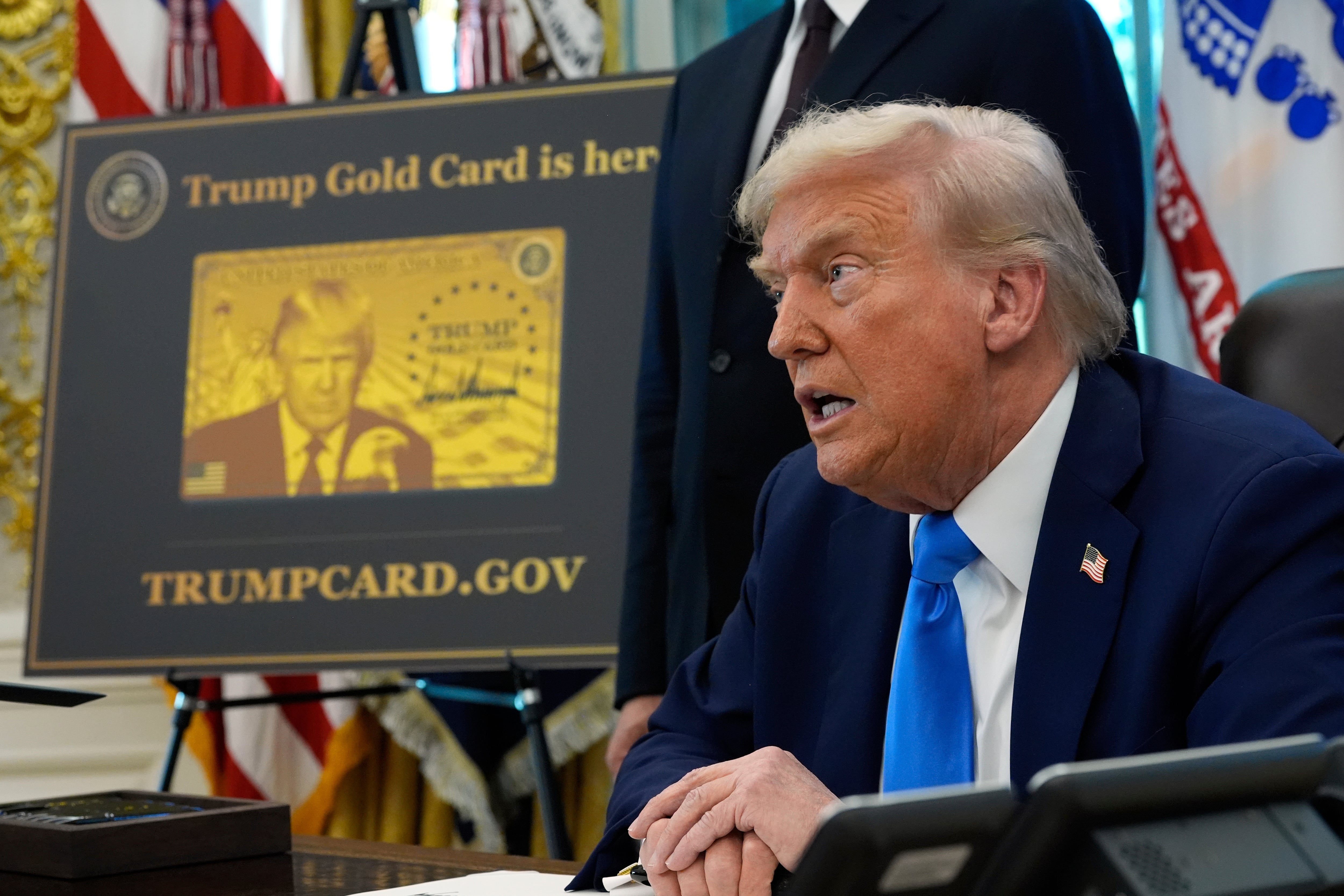
Only one official formally dissented from the quarter-point cut: Stephen Miran, who was appointed by President Donald Trump and was approved by the Senate just hours before the meeting began. He supported a larger, half-point cut instead.
But the minutes noted that “a few” policymakers said they could have supported keeping rates unchanged, or said that “there was merit” in such a step.
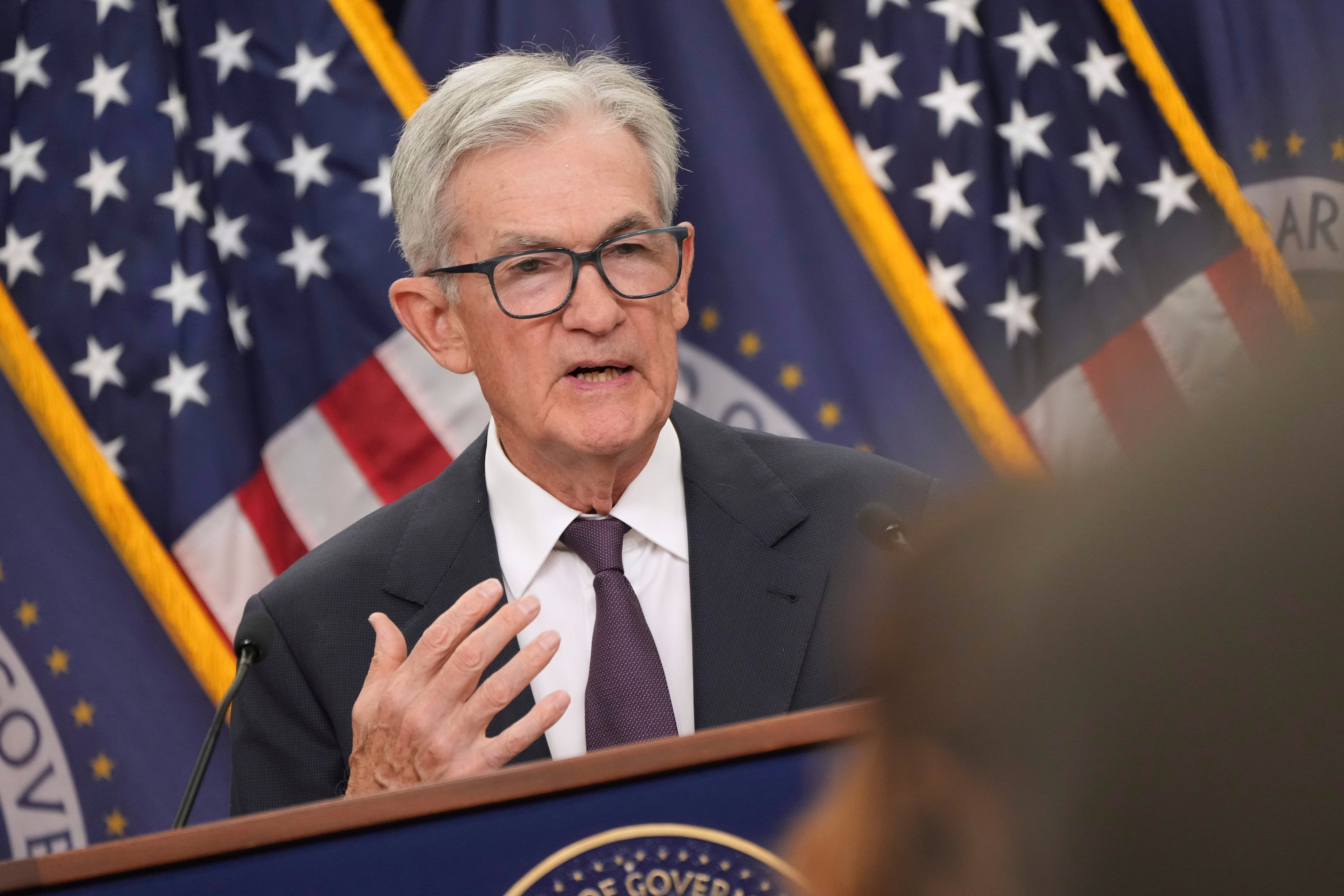
The differences help explain Chair Jerome Powell’s statements during the news conference that followed the meeting: “There are no risk-free paths now. It’s not incredibly obvious what to do.”
Miran said in remarks Tuesday that he thinks inflation will steadily decline back toward the Fed’s 2% target, despite Trump’s tariffs, and as a result he doesn’t think the Fed’s rate needs to be nearly as high as it is. Rental costs are steadily declining and will bring down inflation, he said, while tariff revenue will reduce the government’s budget deficit and reduce longer-term interest rates, which gives the Fed more room to cut.
Yet many other Fed officials remain concerned about stubbornly high inflation, the minutes showed. Jeffrey Schmid, president of the Federal Reserve’s Kansas City branch, said in a speech Monday that “inflation is too high” and argued that the Fed should keep rates high enough to cool demand and prevent inflation from worsening.
And Austan Goolsbee, president of the Fed’s Chicago branch, said in an interview Friday with The Associated Press that he supported a cautious approach toward more cuts, and wanted to see evidence that inflation would cool further.
“I am a little uneasy with front loading rate cuts, presuming that those upticks in inflation will just go away,” he said.
The minutes provide insight into how the Fed’s policymakers were thinking last month about inflation, interest rates, and hiring. Since then, however, the federal government shutdown has cut off the flow of economic data that the Fed relies on to inform its decisions. The September jobs report wasn’t issued as scheduled last Friday, and if the shutdown continues, it could also delay the release of the inflation report set for next Wednesday.