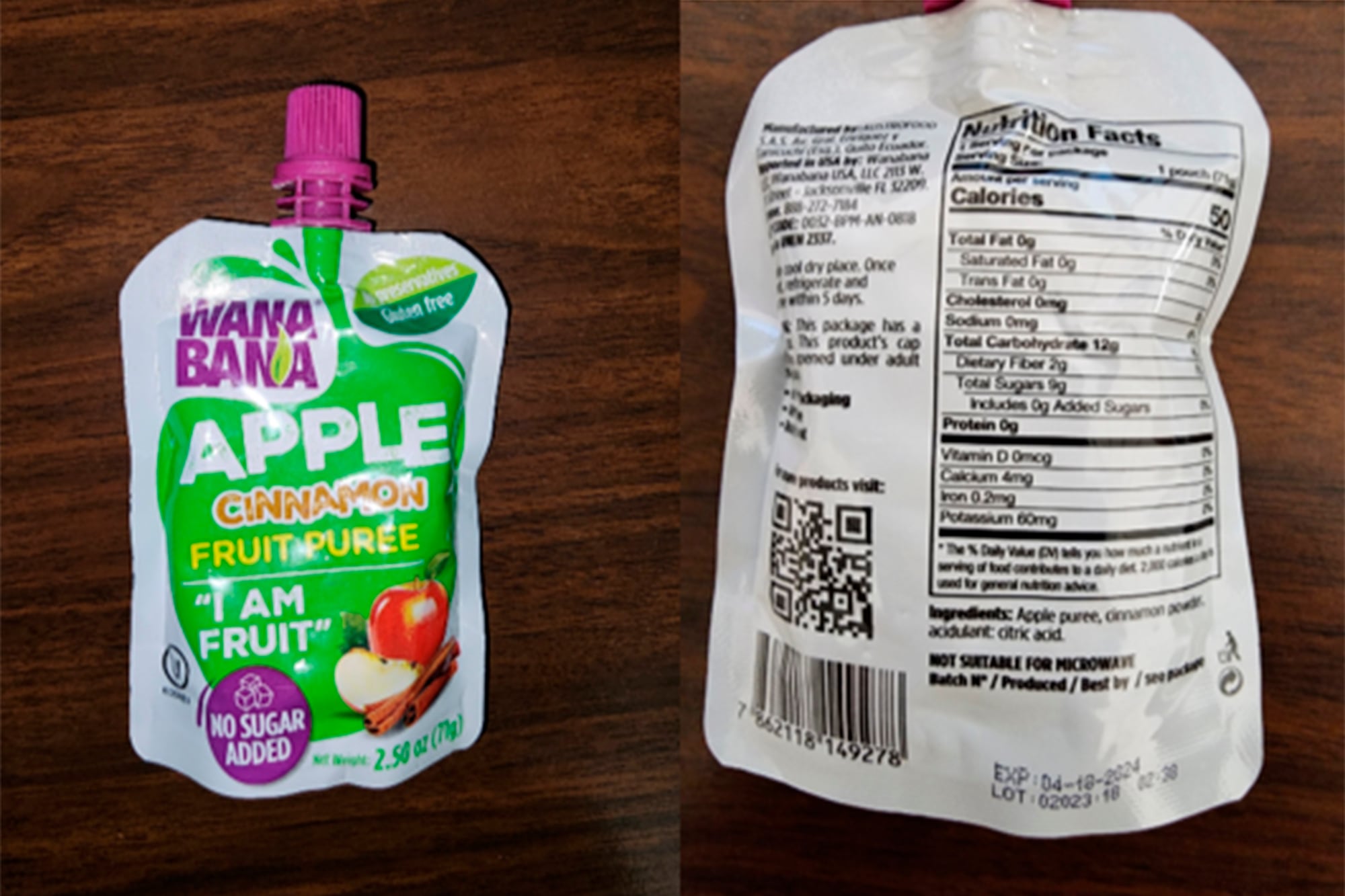
This photo provided by the U.S. Food and Drug Administration on Oct. 28, 2023, shows a WanaBana apple cinnamon fruit puree pouch. The FDA is warning parents and caregivers not to buy or serve certain pureed fruit pouches marketed to toddlers and young children because the food might contain dangerous levels of lead. Children who have eaten WanaBana apple cinnamon fruit puree pouches should be tested for possible lead poisoning, the agency said. (FDA via aP)
By Jonel Aleccia
The U.S. Food and Drug Administration is warning parents and caregivers not to buy or serve certain pureed fruit pouches marketed to toddlers and young children because the food might contain dangerous levels of lead.
Children who have eaten WanaBana apple cinnamon fruit puree pouches should be tested for possible lead poisoning, the agency said.
Four children in North Carolina were found to have high levels of lead in their blood linked to the puree products, health officials said. State health officials analyzed multiple lots of the product and detected “extremely high” concentrations of lead. The FDA confirmed the results and said they could lead to “acute toxicity.”
WanaBana, which is based in Coral Gables, Florida, has recalled all lot codes and expiration dates of the snack products, which are sold nationally, including at Sam's Club and Dollar Tree and on Amazon.
Lead is toxic to people of all ages, but can be especially harmful to children. Most children have no obvious symptoms, so it's important that kids who are exposed get tested to check levels of lead in their blood. Short-term exposure to lead can result in symptoms that include headache, abdominal pain, vomiting and anemia, the FDA said.
Heavy metals like lead can get into food products from soil, air, water or industrial processes, according to the American Academy of Pediatrics. Lead exposure can seriously harm children's health, causing damage to the brain and nervous system and slowed growth and development. There is no known safe level of lead exposure, the AAP said.
Retailers face tariffs and cost challenges this holiday season. Wells Fargo's Lauren Murphy shares insights on pricing, promotions, and shopping trends.
Dateability, founded by sisters Jacqueline and Alexa Child, is the only dating app for disabled and chronically ill communities, fostering love without limits.
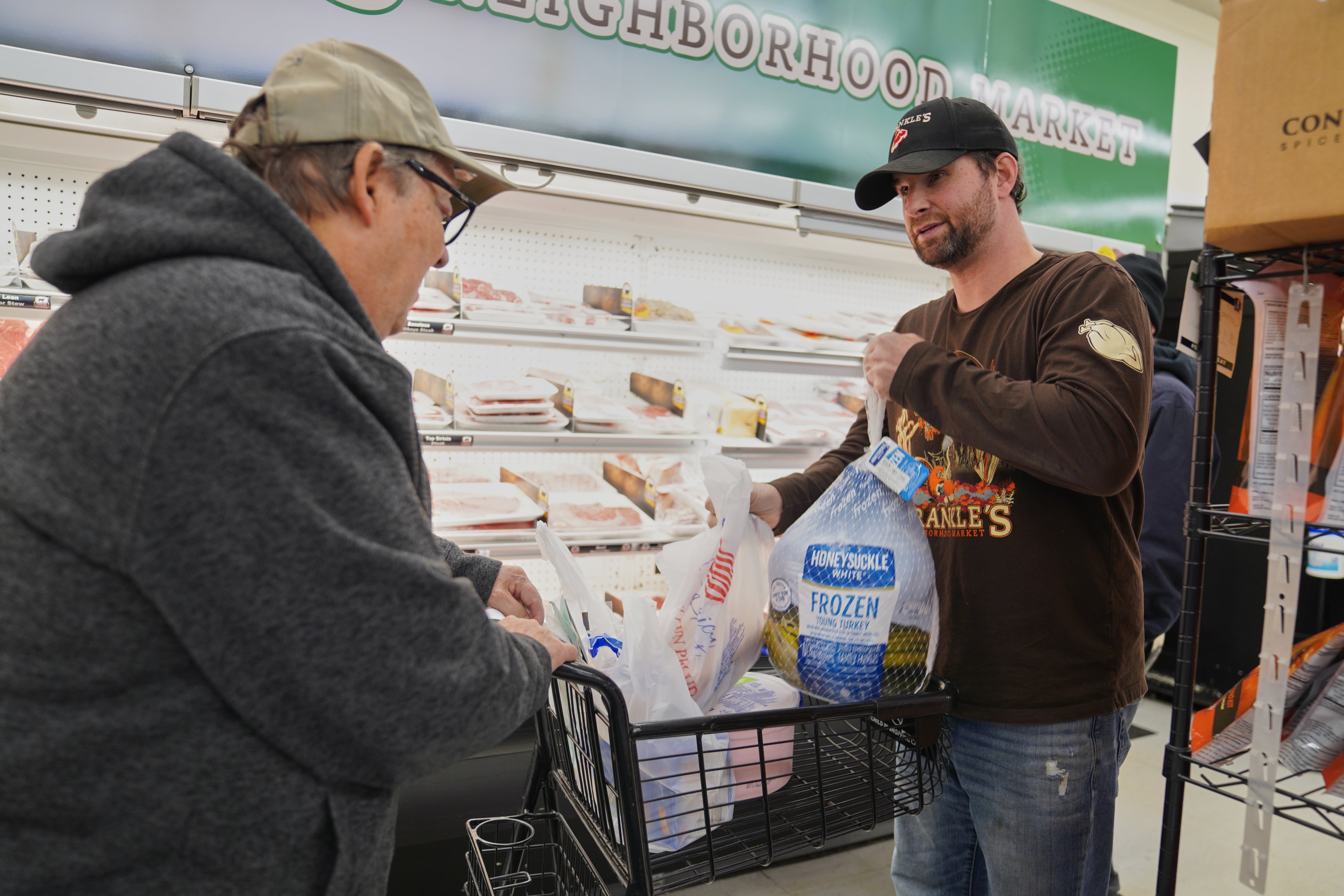
Some small grocery stores and neighborhood convenience stores are eager for the U.S. government shutdown to end and for their customers to start receiving federal food aid again. Late last month, the Trump administration froze funding for the SNAP benefits that about 42 million Americans use to buy groceries. The U.S. Department of Agriculture says about 74% of the assistance was spent last year at superstores like Walmart and supermarkets like Kroger. Around 14% went to smaller stores that are more accessible to SNAP beneficiaries. A former director of the United Nations World Food Program says SNAP is not only a social safety net for families but a local economic engine that supports neighborhood businesses.
Andy Baehr, Head of Product at CoinDesk Indices, breaks down crypto’s Black Friday crash, Bitcoin dipping under $100K, and what’s driving the market rout.
Billionaire Warren Buffett warned shareholders Monday that many companies will fare better than his Berkshire Hathaway in the decades ahead as Father Time catches up
Chris Marquette of POLITICO breaks down how the FAA is cutting flights and facing a critical shortage of air‑traffic controllers amid the government shutdown.