As President Donald Trump and Elon Musk argued on social media on Thursday, the world’s richest man threatened to decommission a space capsule used to take astronauts and supplies to the International Space Station.
A few hours later, Musk said he wouldn’t follow through on the threat.
After Trump threatened to cut government contracts given to Musk’s SpaceX rocket company and his Starlink internet satellite services, Musk responded via X that SpaceX “will begin decommissioning its Dragon spacecraft immediately.”
It was unclear how serious Musk’s threat was, but several hours later — in a reply to another X user — he said he wouldn’t do it.
The capsule, developed with the help of government contracts, is an important part of keeping the space station running. NASA also relies heavily on SpaceX for other programs including launching science missions and, later this decade, returning astronauts to the surface of the moon.
The Dragon capsule
SpaceX is the only U.S. company capable right now of transporting crews to and from the space station, using its four-person Dragon capsules.
Boeing’s Starliner capsule has flown astronauts only once; last year’s test flight went so badly that the two NASA astronauts had to hitch a ride back to Earth via SpaceX in March, more than nine months after launching last June.
Starliner remains grounded as NASA decides whether to go with another test flight with cargo, rather than a crew.
SpaceX also uses a Dragon capsule for its own privately run missions. The next one of those is due to fly next week on a trip chartered by Axiom Space, a Houston company.
Cargo versions of the Dragon capsule are also used to ferry food and other supplies to the orbiting lab.
NASA’s other option: Russia
Russia’s Soyuz capsules are the only other means of getting crews to the space station right now.
The Soyuz capsules hold three people at a time. For now, each Soyuz launch carries two Russians and one NASA astronaut, and each SpaceX launch has one Russian on board under a barter system. That way, in an emergency requiring a capsule to return, there is always someone from the U.S. and Russia on board.
With its first crew launch for NASA in 2020 — the first orbital flight of a crew by a private company — SpaceX enabled NASA to reduce its reliance on Russia for crew transport. The Russian flights had been costing the U.S. tens of millions of dollars per seat, for years.
NASA has also used Russian spacecraft for cargo, along with U.S. contractor Northrup Grumman.
SpaceX’s other government launches
The company has used its rockets to launch several science missions for NASA as well as military equipment.
Last year, SpaceX also won a NASA contract to help bring the space station out of orbit when it is no longer usable.
SpaceX’s Starship mega rocket is what NASA has picked to get astronauts from lunar orbit to the surface of the moon, at least for the first two landing missions. Starship made its ninth test flight last week from Texas, but tumbled out of control and broke apart.
___
The Associated Press Health and Science Department receives support from the Howard Hughes Medical Institute’s Science and Educational Media Group and the Robert Wood Johnson Foundation. The AP is solely responsible for all content.
Spain's government has fined Airbnb 64 million euros or $75 million for advertising unlicensed tourist rentals. The consumer rights ministry announced the fine on Monday. The ministry stated that many listings lacked proper license numbers or included incorrect information. The move is part of Spain's ongoing efforts to regulate short-term rental companies amid a housing affordability crisis especially in popular urban areas. The ministry ordered Airbnb in May to remove around 65,000 listings for similar violations. The government's consumer rights minister emphasized the impact on families struggling with housing. Airbnb said it plans to challenge the fine in court.
The Islamic State group and other militant organizations are experimenting with artificial intelligence as a tool to boost recruitment and refine their operations. National security experts say that just as businesses, governments and individuals have embraced AI, extremist groups also will look to harness the power of AI. That means aiming to improve their cyberattacks, breaking into sensitive networks and creating deepfakes that spread confusion and fear. Leaders in Washington have responded with calls to investigate how militant groups are using AI and seek ways to encourage tech companies to share more about how their products are being potentially misused.
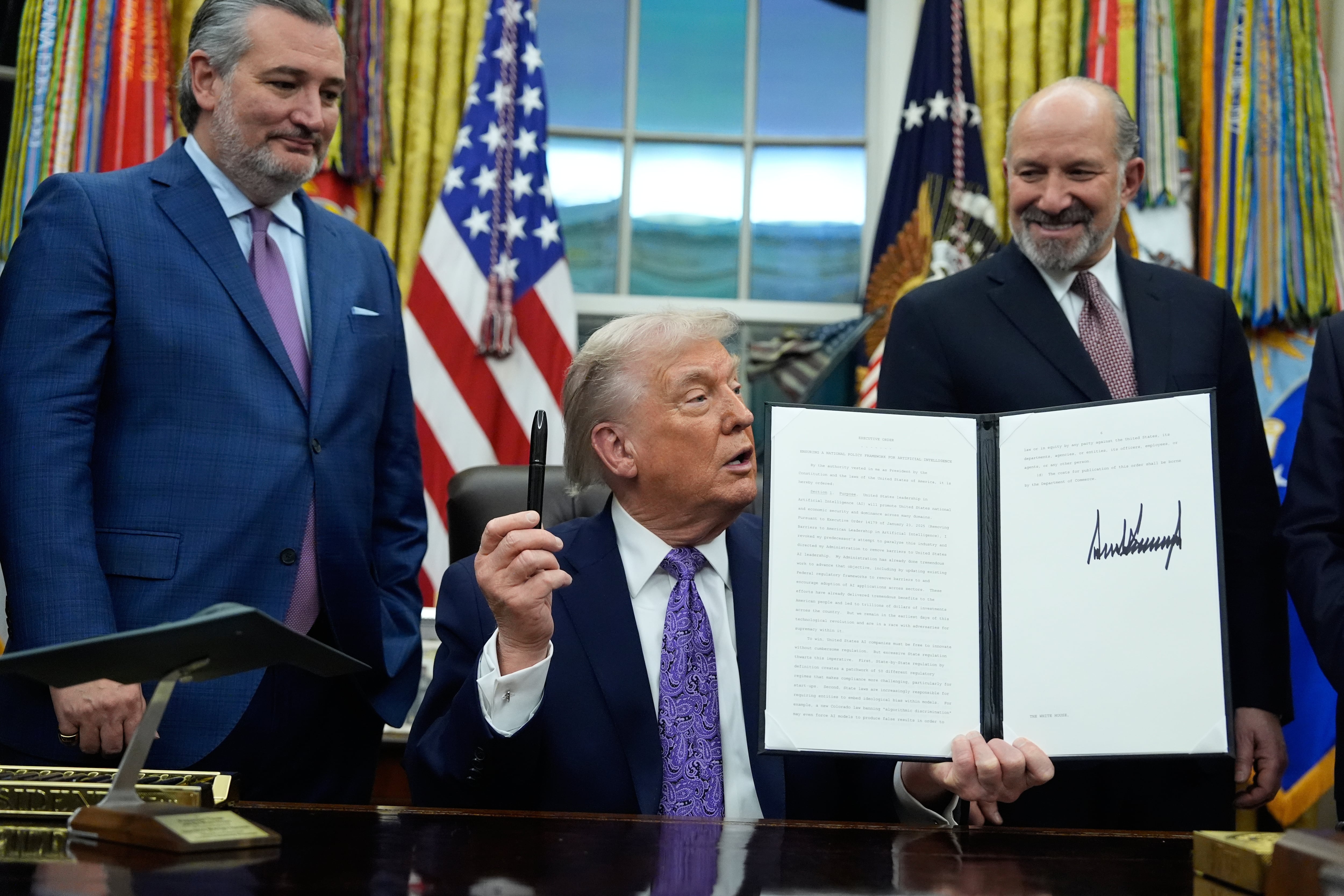
President Donald Trump has signed an executive order to block states from regulating artificial intelligence. He argues that heavy regulations could stifle the industry, especially given competition from China. Trump says the U.S. needs a unified approach to AI regulation to avoid complications from state-by-state rules. The order directs the administration to draw up a list of problematic regulations for the Attorney General to challenge. States with laws could lose access to broadband funding, according to the text of the order. Some states have already passed AI laws focusing on transparency and limiting data collection.
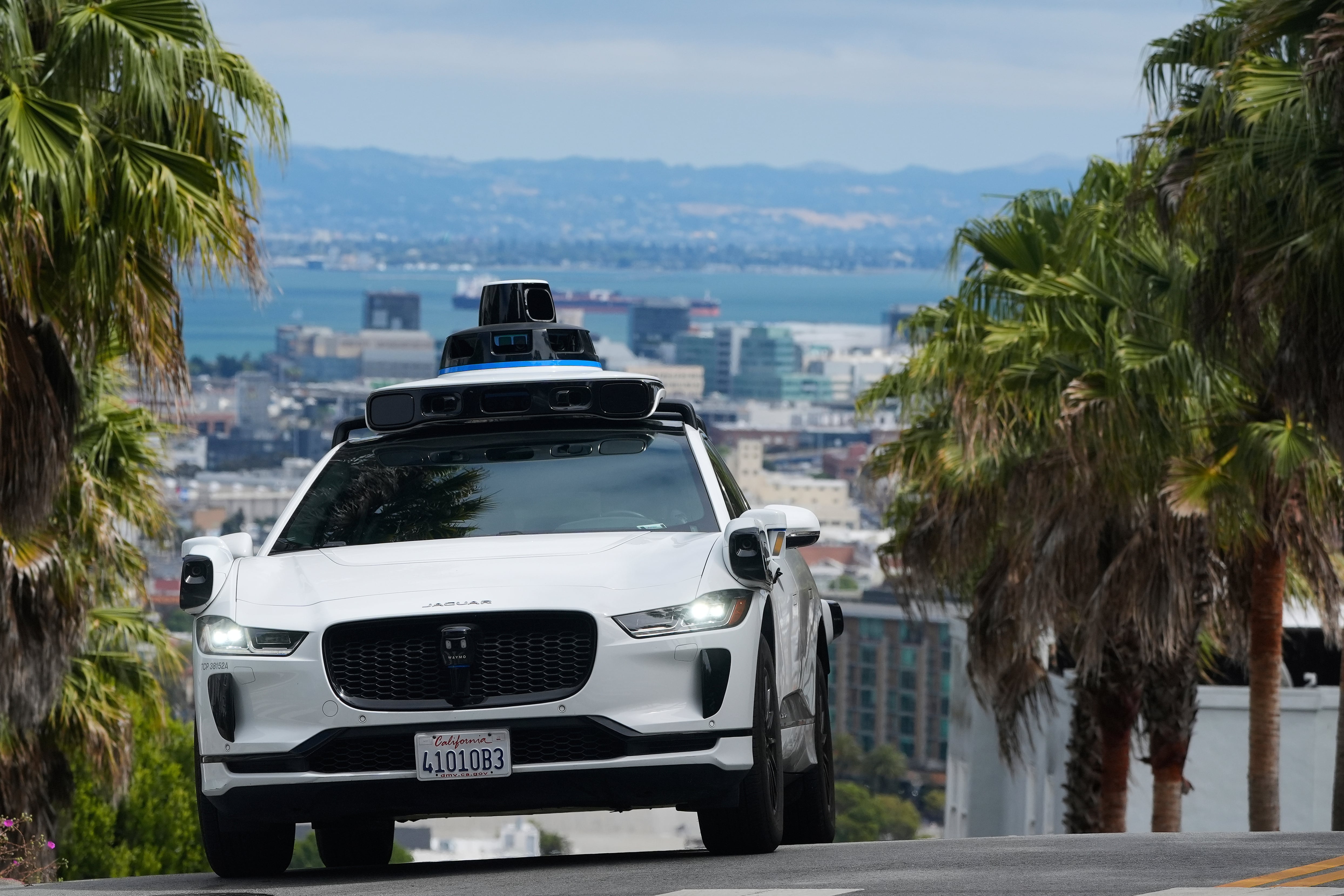
Waymo's self-driving taxis have been in the spotlight for both negative and positive reasons. This week, the automated ride-hailing taxis went viral after a San Francisco woman gave birth inside a Waymo taxi while on her way to the hospital. A Waymo spokesperson on Wednesday confirmed the unusual delivery. It said the company's rider support team detected unusual activity inside the vehicle and alerted 911. The taxi arrived safely at the hospital before emergency services. Waymo's popularity is growing despite heightened scrutiny following an illegal U-turn and the death of a San Francisco cat. The company, owned by Alphabet, says it is proud to serve riders of all ages.
OpenAI has appointed Slack CEO Denise Dresser as its first chief of revenue. Dresser will oversee global revenue strategy and help businesses integrate AI into daily operations. OpenAI CEO Sam Altman recently emphasized improving ChatGPT, which now has over 800 million weekly users. Despite its success, OpenAI faces competition from companies like Google and concerns about profitability. The company earns money from premium ChatGPT subscriptions but hasn't ventured into advertising. Altman had recently announced delays in developing new products like AI agents and a personal assistant.
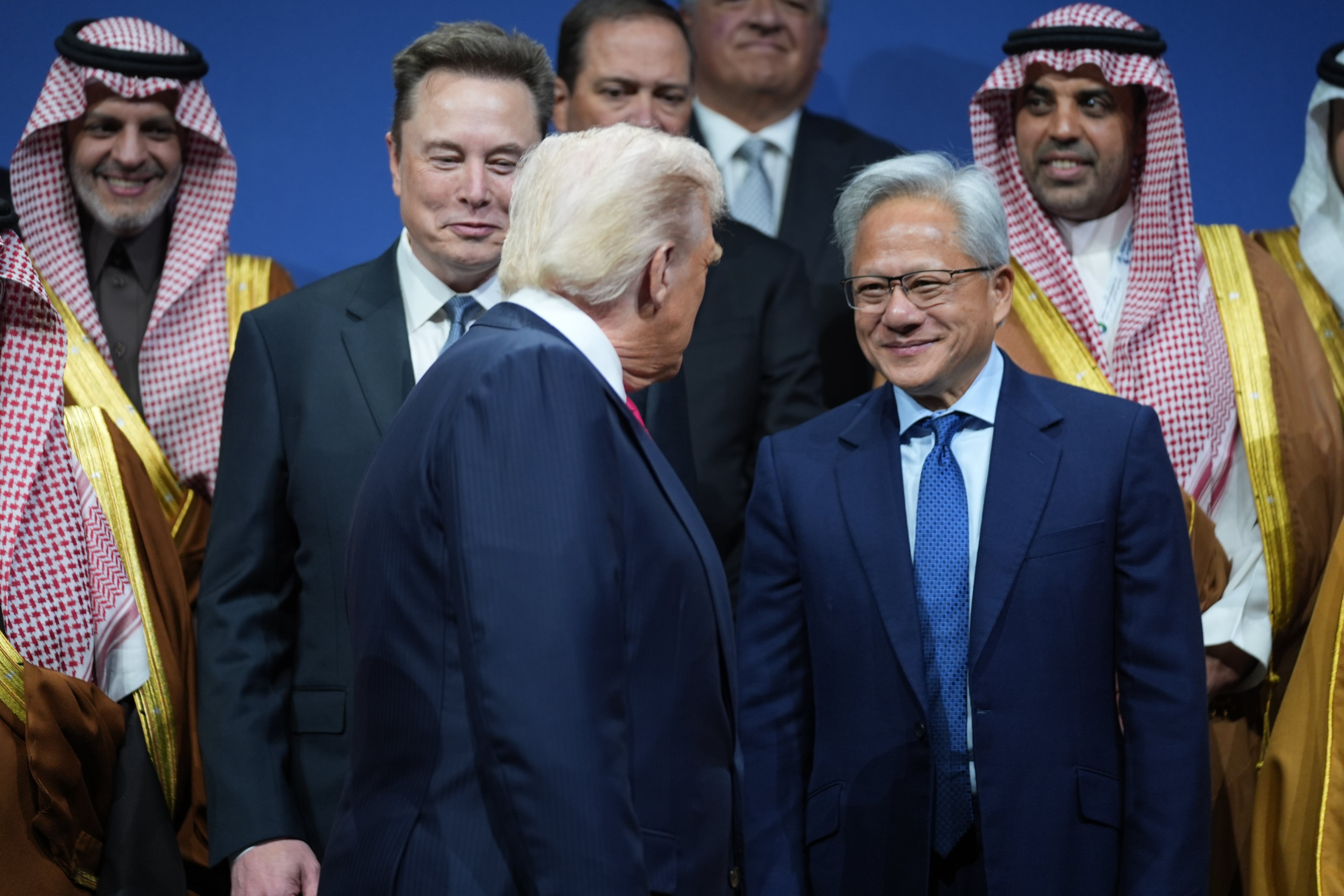
President Donald Trump says he will allow Nvidia to sell its H200 computer chip used in the development of artificial intelligence to “approved customers” in China. Trump said Monday on his social media site that he had informed China’s leader Xi Jinping and “President Xi responded positively!” There had been concerns about allowing advanced computer chips into China as it could help them to compete against the U.S. in building out AI capabilities. But there has also been a desire to develop the AI ecosystem with American companies such as chipmaker Nvidia.