Documenting the History of Amex as an In-House Historian
By Ken Sweet
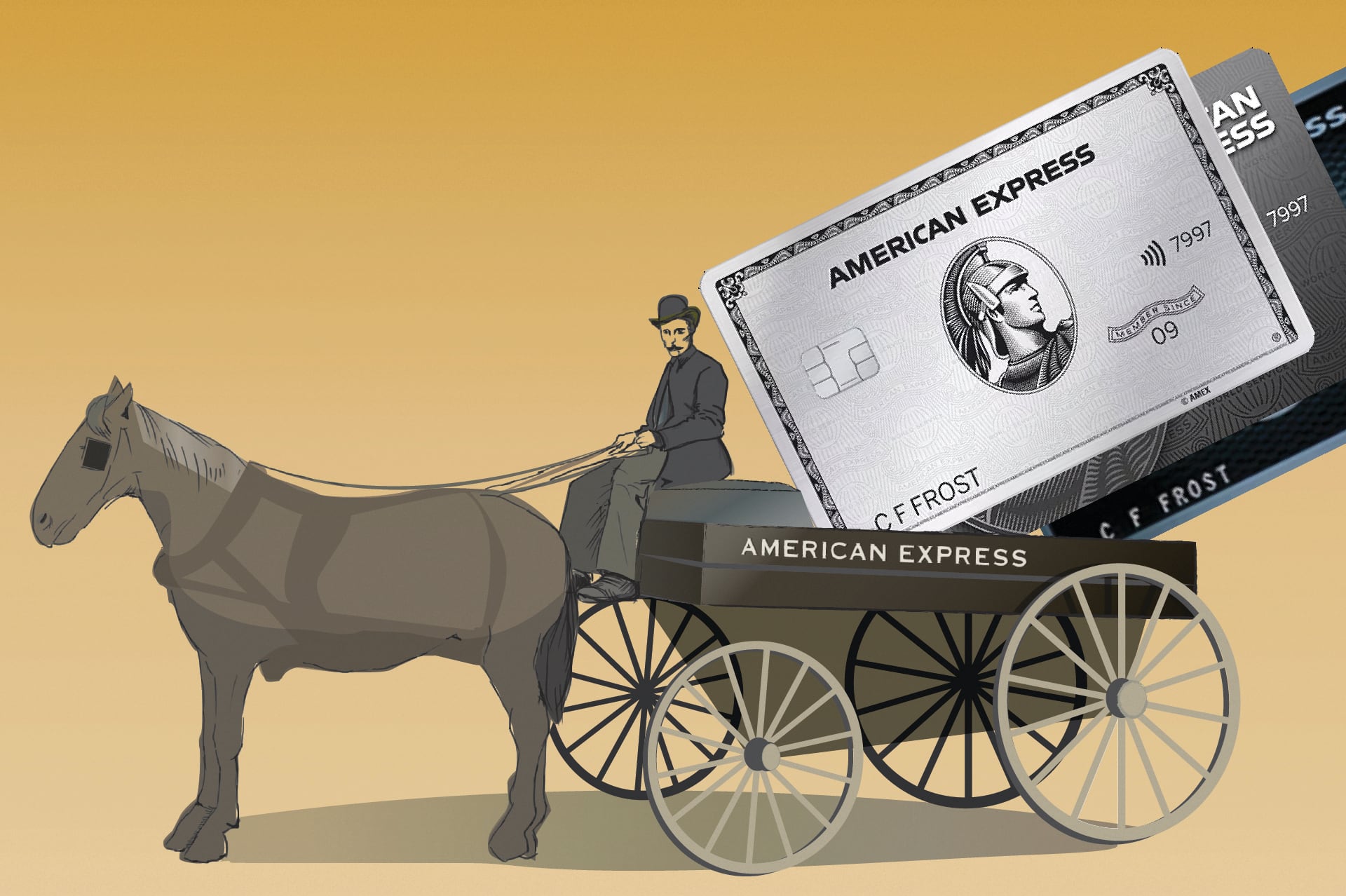
(AP Illustration/Jenni Sohn)
NEW YORK (AP) — Ira Galtman is part of a small community of corporate archivists. They are historians, cataloguers and documentarians for large companies. They keep track of how companies change their products over time, while also looking for ways for the company to harken back to its history.
For nearly three decades, Galtman’s job has been to document how American Express went from a packing, shipping and express stagecoach company in New York in 1850, to the inventor of the traveler’s cheque in the 1890s to the credit card company it is today. He’s also popular on TikTok, where cardmembers ask him regularly for AmEx trivia.
The interview has been edited for length and clarity.
Q: How did you start in this role?
A: I loved history from a very early age. I majored in history in college, went to grad school at NYU to initially get a PhD in history, and I pivoted while I was in grad school. I decided to not go through an academic route, but to go into the archive world. And I was fortunate enough that at NYU there was an archival management program. So I was able to get a certificate in that as part of my graduate work.
I’ve now been with American Express for over 28 years. Had the opportunity to start in the late 90s, so it was a time of transition. I serve as both the company’s archivist as well as historian. And so each of those roles are slightly different, but they definitely complement one another.
Q: What’s been one interesting project you’ve worked on?
A: We did a project showing American Express’s role in the Civil War, which was really interesting. We were shipping materials to Union soldiers in the field and being able to support the U.S. government. We also shipped election ballots for the 1864 election.
But during Covid, we did work to see how the company fared during other crises to help inspire colleagues. For example, there was a pandemic in 1918. But there have been other times when the company has had to deal with a variety of crises, whether it was wars or recessions. Bringing those areas to life, I think, was something that really inspired folks.
Q: Where do you get most of your materials from?
A: I’m fortunate that there are avid pony express business collectors, and a bunch of them will reach out to me directly and offer stuff to me. I get a lot of free things, but I’ve also bought multiple items from the same person.
I’d love to find an American Express wagon. That is probably the holy grail for our express archives.
Q: What’s worth keeping and what do you discard?
A: The reality is archivists keep a very small amount of material, because what is generated in a typical year is just too much. And you have to have a documentation strategy and be able to know what’s important to keep, and what is able to connect the dots.
The single most important thing I do for Amex, in terms of why the history is important, is being able to show that there have been precursors for a business. We started with the money order in the 1880s which became the traveler’s check. Our Centurion Lounges harken back to when we had lounges in Europe for customers who needed to ship things overseas.
Q: So, who is CF Frost? He’s the name on all your ads.
It stands for Charles F. Frost. He was an account executive at Ogilvy & Mather, an advertising agency that American Express had used going back to the mid 1960s. Frost was working on the American Express account, and he needed to use a sample name. So, in the past we had used John Smith, for example, which is kind of typical. We reached an agreement with him where we would use his name on sample cards in our advertisements.
His name changed on the card to CF Frost in 1977. We were looking for something more gender neutral on the cards and in the early-to-mid 1970s we began to offer the card to more women to diversify our customer base.
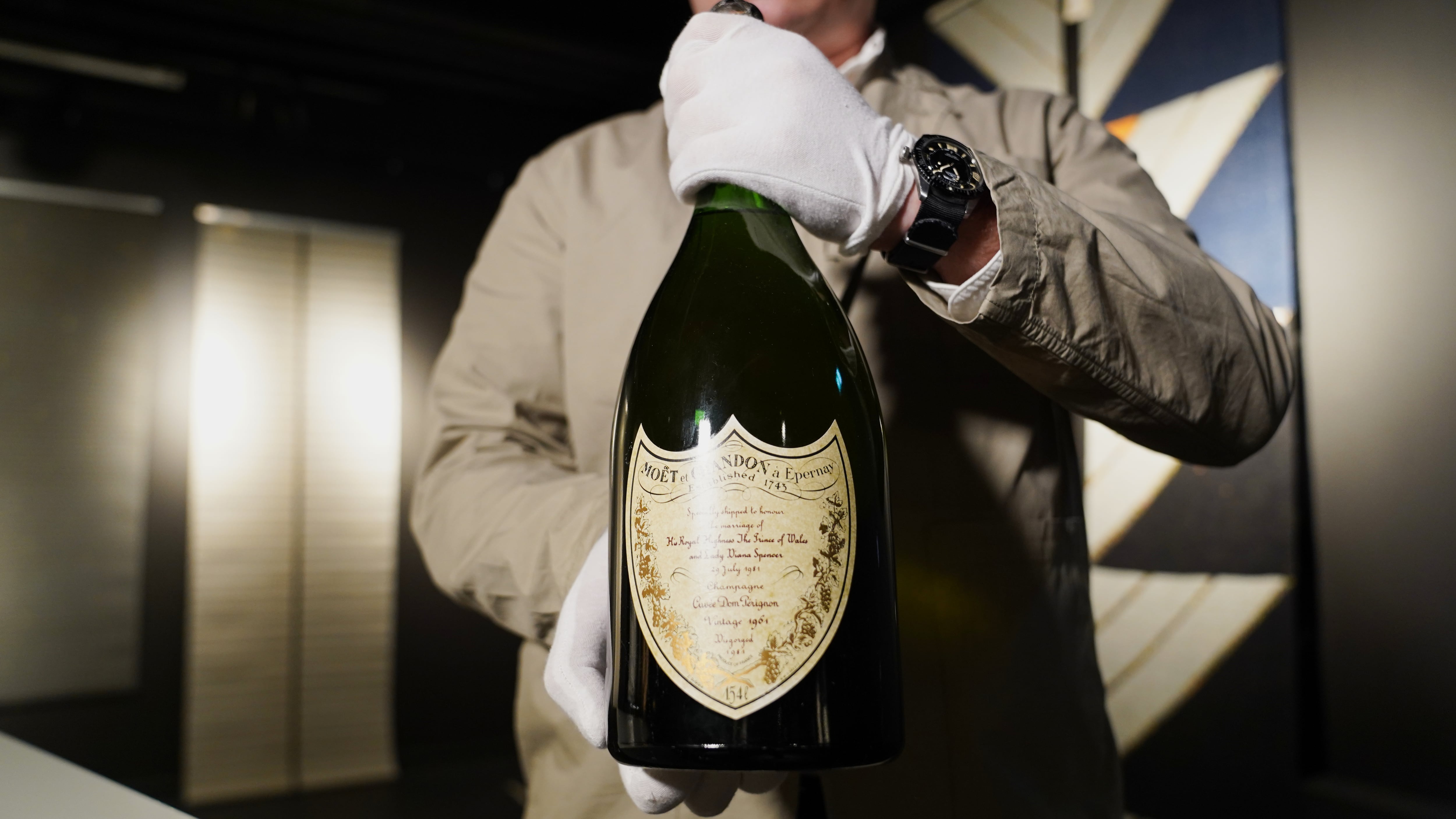
A rare magnum of Dom Pérignon Vintage 1961 champagne that was specially produced for the 1981 wedding of Prince Charles and Lady Diana has failed to sell during an auction. Danish auction house Bruun Rasmussen handled the bidding Thursday. The auction's house website lists the bottle as not sold. It was expected to fetch up to around $93,000. It is one of 12 bottles made to celebrate the royal wedding. Little was revealed about the seller. The auction house says the bids did not receive the desired minimum price.
The New York Times and President Donald Trump are fighting again. The news outlet said Wednesday it won't be deterred by Trump's “false and inflammatory language” from writing about the 79-year-old president's health. The Times has done a handful of stories on that topic recently, including an opinion column that said Trump is “starting to give President Joe Biden vibes.” In a Truth Social post, Trump said it might be treasonous for outlets like the Times to do “FAKE” reports about his health and "we should do something about it.” The Republican president already has a pending lawsuit against the newspaper for its past reports on his finances.
OpenAI has appointed Slack CEO Denise Dresser as its first chief of revenue. Dresser will oversee global revenue strategy and help businesses integrate AI into daily operations. OpenAI CEO Sam Altman recently emphasized improving ChatGPT, which now has over 800 million weekly users. Despite its success, OpenAI faces competition from companies like Google and concerns about profitability. The company earns money from premium ChatGPT subscriptions but hasn't ventured into advertising. Altman had recently announced delays in developing new products like AI agents and a personal assistant.
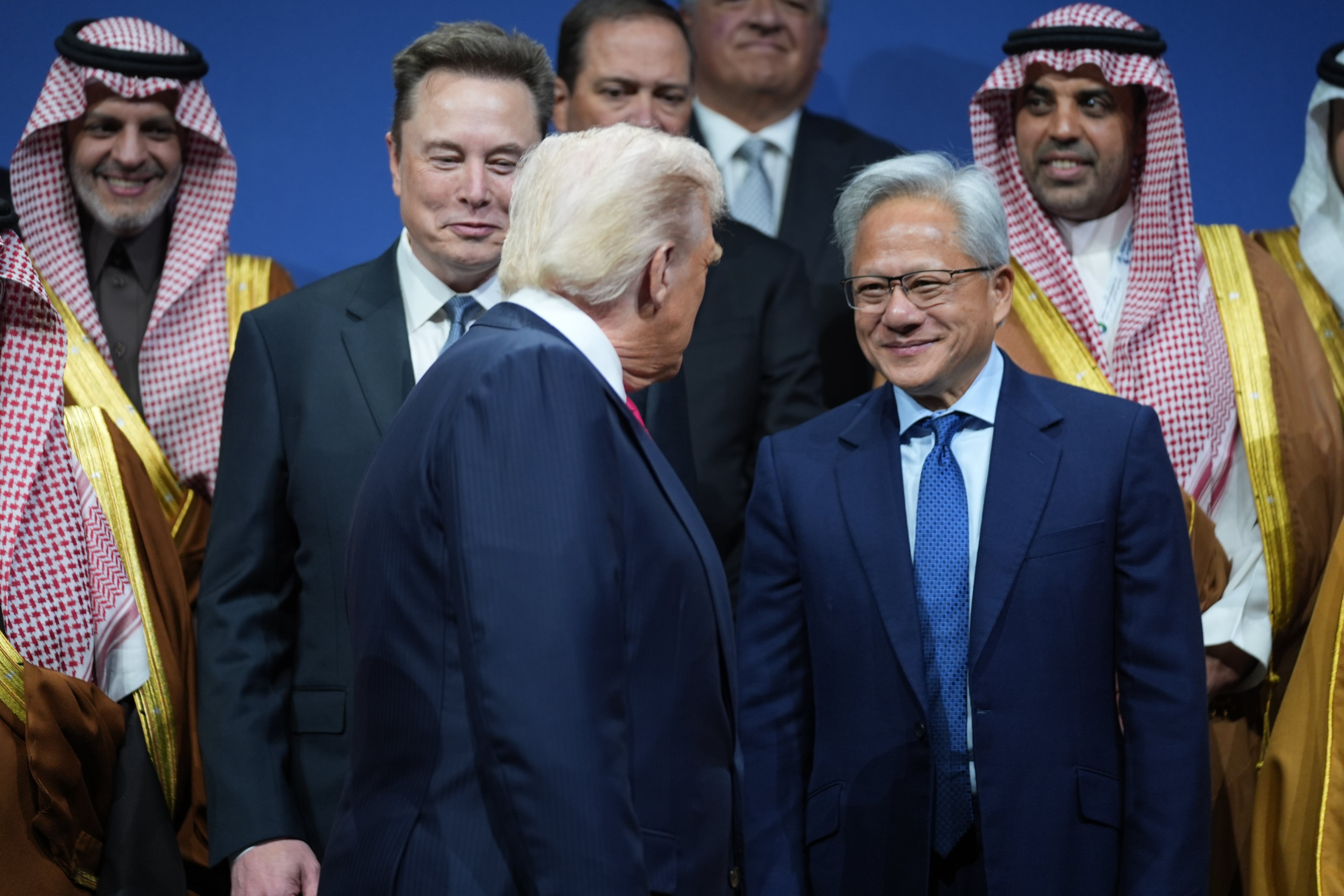
President Donald Trump says he will allow Nvidia to sell its H200 computer chip used in the development of artificial intelligence to “approved customers” in China. Trump said Monday on his social media site that he had informed China’s leader Xi Jinping and “President Xi responded positively!” There had been concerns about allowing advanced computer chips into China as it could help them to compete against the U.S. in building out AI capabilities. But there has also been a desire to develop the AI ecosystem with American companies such as chipmaker Nvidia.
U.S. sports betting is booming as NFL and college football fuel massive activity. BetMGM CEO Adam Greenblatt breaks down trends, growth, and what’s next.
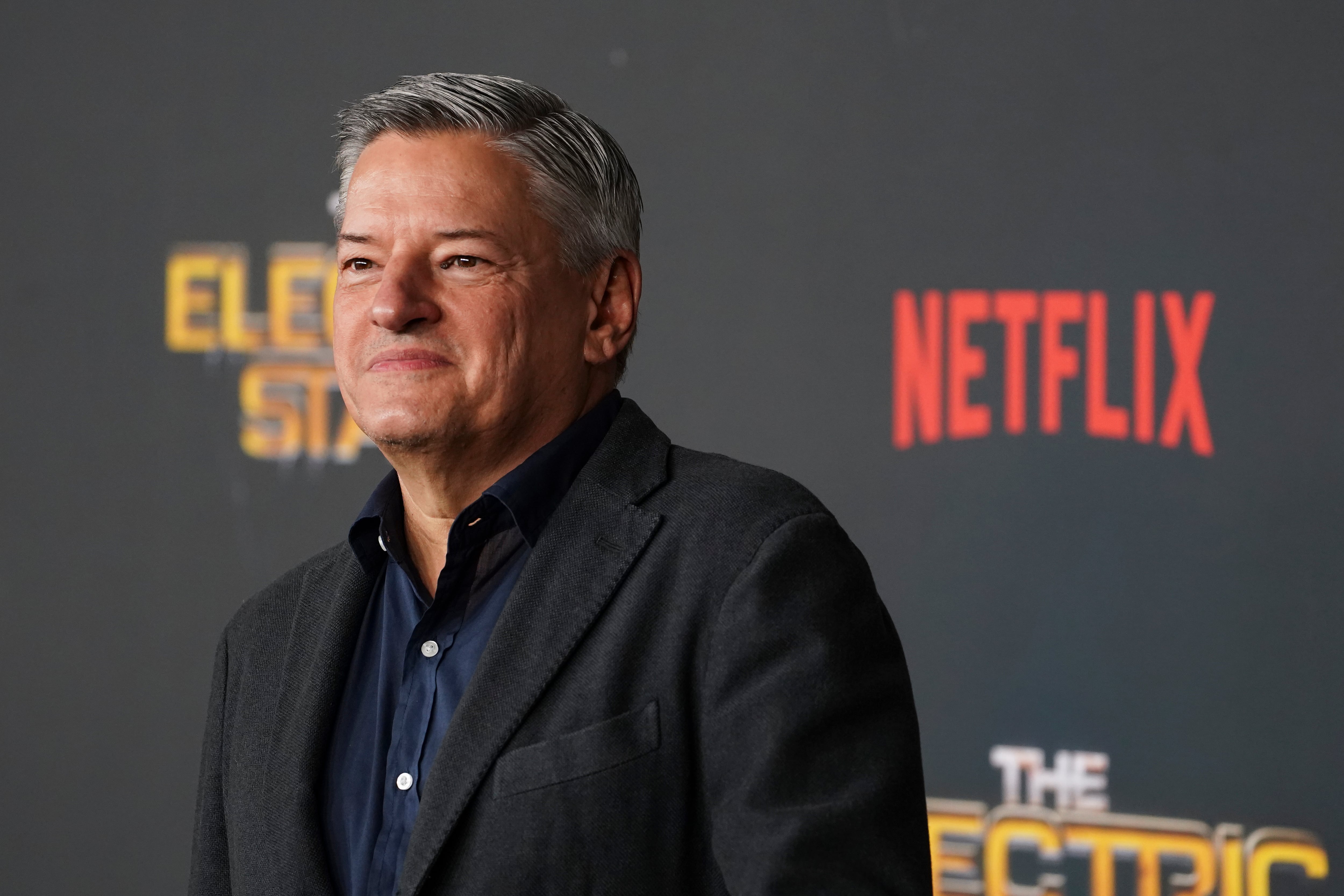
President Donald Trump says a deal struck by Netflix last week to buy Warner Bros. Discovery “could be a problem” because of the size of the combined market share. The Republican president says he will be involved in the decision about whether federal regulators should approve the deal. Trump commented Sunday when he was asked about the deal as he walked the red carpet at the Kennedy Center Honors. The $72 billion deal would bring together two of the biggest players in television and film and potentially reshape the entertainment industry.
Disney's changes to a program for disabled visitors are facing challenges in federal court and through a shareholder proposal. The Disability Access Service program, which allows disabled visitors to skip long lines, was overhauled last year. Disney now mostly limits the program to those with developmental disabilities like autism who have difficulty waiting in lines. The changes have sparked criticism from some disability advocates. A shareholder proposal submitted by disability advocates calls for an independent review of Disney's disability policies. Disney plans to block this proposal, claiming it's misleading. It's the latest struggle by Disney to accommodate disabled visitors while stopping past abuses by some theme park guests.