Six Massachusetts college students are facing charges after police say they assaulted an active-duty soldier after luring him on the dating app Tinder as part of a social media trend. (Patrick Sison/AP)
Valentine's Day is just around the corner and while couples are set to shower each other with gifts and quality time, a study by the Pew Research Center found that three in 10 Americans are single and nearly half of them are turning to dating apps to find companionship.
Tinder appears to be the top choice in the world of online dating with 46 percent of American singles reporting that they have used the service. About 10 percent of adults have used other services like Bumble or Match.
Yet, with online dating app usage ticking up, are these matches successful? At least half of people reported mostly positive experiences while 48 percent said they experienced negative behavior online. The study found that men were more likely to report positive experiences compared to women. Users identifying as gay, lesbian, and bisexual were also more likely to report positive experiences.
For many, using the apps isn't about finding committed partners. Just 42 percent of Americans reported seeking long-term relationships, with 51 percent saying they were open to a committed relationship or casual dating. Among men, that number was slightly higher at 56 percent compared to 44 percent of women.
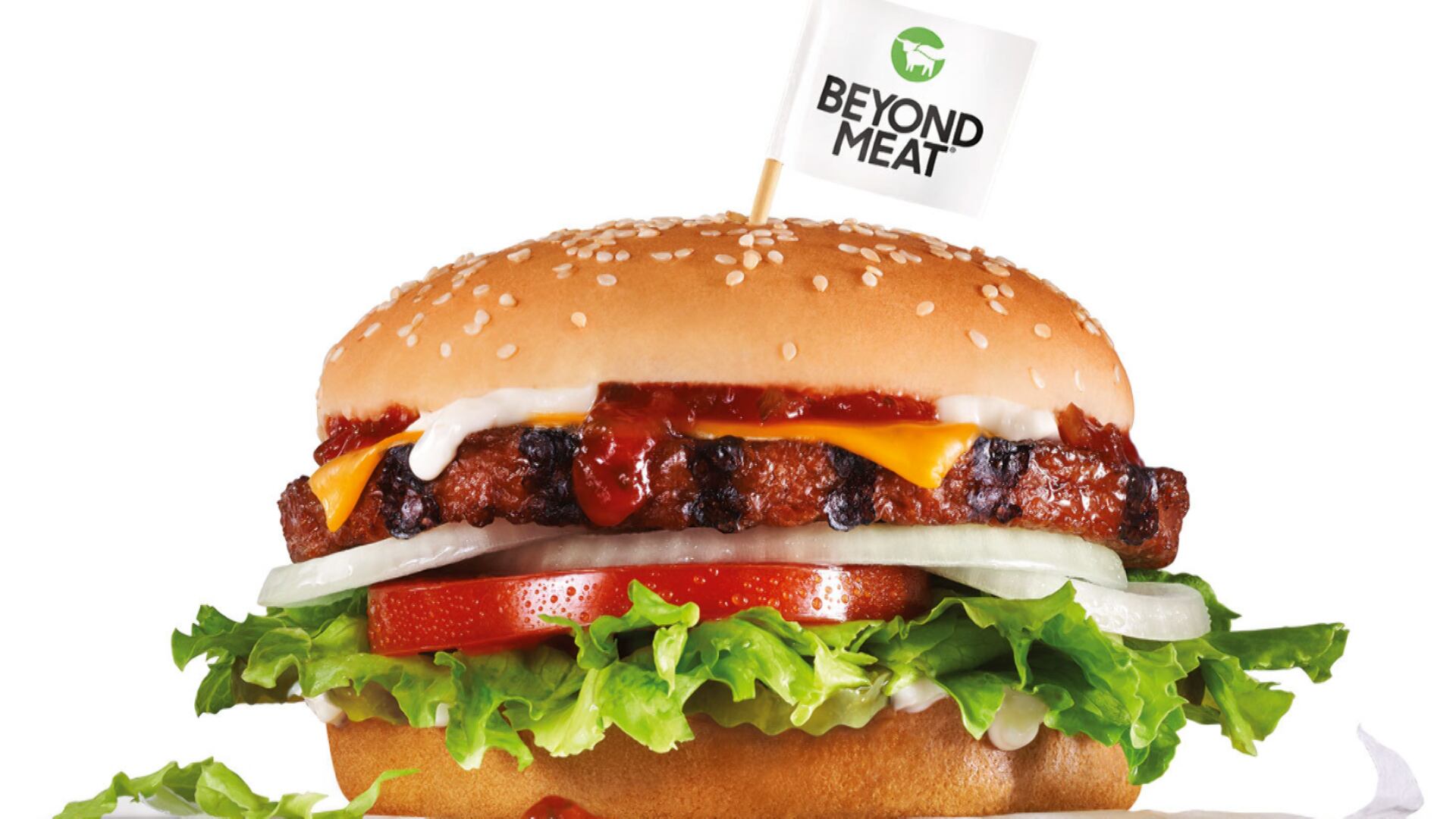
Plant-based meat giant Beyond Meat's reign over the fast food world continues, as McDonald's announced that it is expanding its test of Beyond's McPlant burger, to nearly 600 restaurants, an increase from the eight that it's been testing in since November. This comes less than two weeks after Beyond Fried Chicken made its nationwide debut at KFC restaurants, the first time that plant based chicken has been widely distributed in a fast food capacity. Arun Sundaram, Senior Equity Analyst at CFRA Research explains why these latest collaborations may be proof that Beyond Meat products could slowly be becoming an unlikely staple in the fast food and chain restaurant world as consumers opt for more healthy food options.
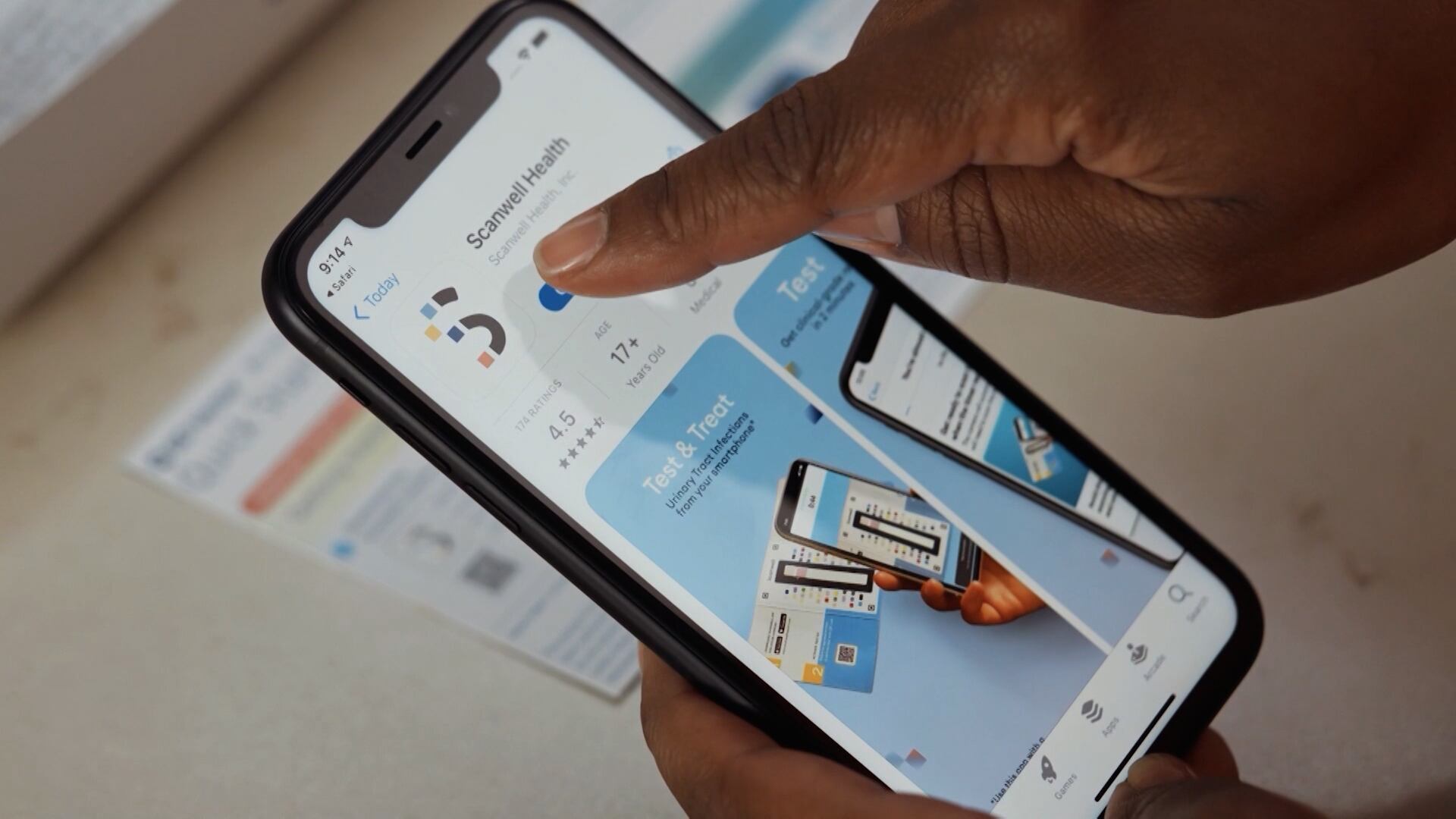
BD Veritor is a variation of the at-home COVID test that uses a smartphone to interpret the results. The test is taken via a nose swab test strip that is then scanned by your phone’s camera with the result clearly displayed as positive or negative. James Walker, vice president of integrated diagnostics USA for BD, joined Cheddar to discuss how the test hopefully takes the "guesswork out of testing." Walker also went into what BD is doing to deal with the surging demand for at-home tests amid the omicron spread. "While we don't disclose how much we produce, we have capacity to manufacture up to 12 million rapid antigen tests per month and are delivering on our commitments to distributors and retailers," he said.
On this episode of Cheddar Innovates: Sidechef CEO breaks down how it's building a platform to make recipe shopping easy; Luum CEO explains the process of having a robot put on eyelash extensions; A look at Curiosity Stream's new original series, 'Evolve.'
Moderna launched a clinical trial of a COVID-19 booster shot specifically targeting the omicron variant. The first participant has already received a dose, and Moderna expects to enroll about 600 adults total, split between two groups. In the first group, participants will have previously received two doses of the Moderna vaccine, and in the second, participants will have received its booster. Dr. Paul Burton, chief medical officer at Moderna, joined Cheddar’s Opening Bell to discuss the trial, yearly boosters, and what lies ahead for the company.
With the 2022 Beijing Winter Olympics right around the corner, experts are warning that climate change is threatening not only the event but also the future of snow sports. Despite being the world's top polluter, China is hoping to use the event to demonstrate the country's commitment to fighting climate change, and pledging to host a "low carbon" games. Xubin Zeng, professor of hydrology and atmospheric sciences at the University of Arizona, joins Cheddar News.
New research is suggesting that giving extra cash to low-income mothers can actually influence the brain development of their infants. These findings provide the first rigorous evidence of how payments and monetary support can affect children in the early years of life. Authors of the study, Nathan Fox, professor in the department of human development at the University of Maryland, and Sonya Troller-Renfree, postdoctoral research associate at Teachers College at Columbia University, join Cheddar News to discuss.
Communities of color are disproportionately affected by climate change and continuously feel the impacts. Mark Magaña, founding president and CEO of Green Latinos joined All Hands to discuss.