*By Michael Teich*
The NHL is taking a page out of the NBA's international playbook, planning a Chinese expansion to develop a hockey culture in the world's most populous country.
"It's a content play," said New Jersey Devils President Hugh Weber in an interview on Cheddar Monday. "There are 300 million people in China alone who play basketball. We're seeing this also in hockey."
China's population of 1.4 billion presents a massive opportunity for growth, but hockey has been slower to catch on than others sports such as basketball. The NBA will play its 25th and 26th games in the country early in October.
Last year, China asked the NHL for help building hockey infrastructure and a national team ahead of the 2022 Winter Olympics in Beijing. The Chinese government [reportedly](https://www.nhl.com/news/nhl-sees-bright-future-in-china-after-preseason-games/c-291287606) sees 300 million citizens competing in winter sports before the games.
NHL teams will play seven games overseas this season. In addition to China, there will be match-ups in Switzerland, Germany, Sweden, and Finland. That's more than the NBA and the NFL, which each will play four games overseas.
While China is a main expansion target of the league, the Devils may have found a sweet spot in Europe, Weber said.
With 60 percent of players on the team born outside the U.S., Weber said he sees a big opportunity to connect with fans, particularly in Nordic countries already familiar with the sport.
"We have a lot of young European stars. This is why the team will be featured live in prime time in Europe 12 times this year."
The New Jersey Devils kick off the preseason Monday night against the New York Rangers. Their first regular season game will be in Sweden on October 6, when they'll go up against the Edmonton Oilers.
For full interview [click here](https://cheddar.com/videos/nhl-taking-a-page-out-of-the-nba-s-business-playbook).
Wealthfront’s CFO Alan Iberman talks the $2.05B IPO and the major moment for robo banking as the company bets on AI, automation, and “self-driving money."
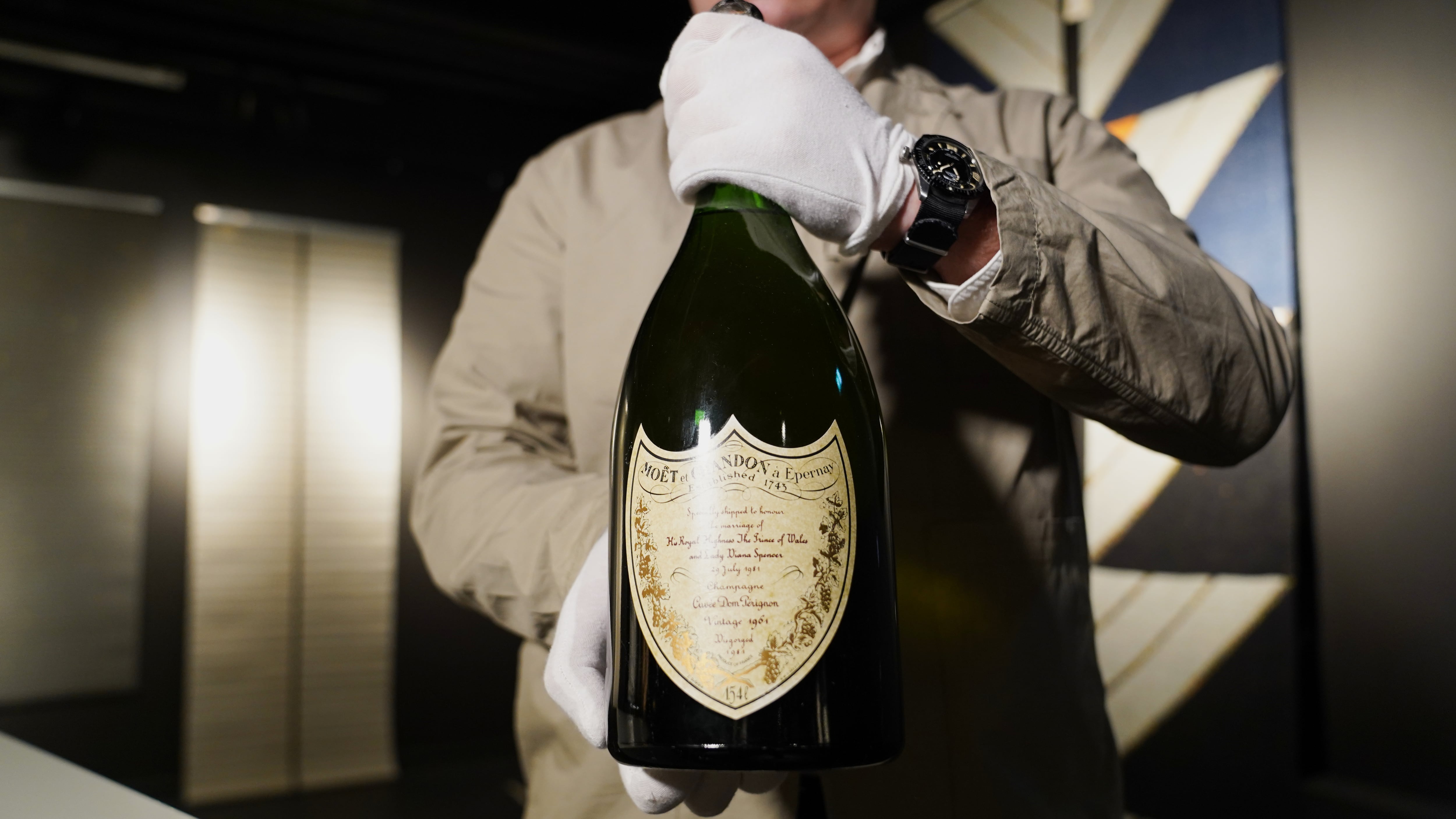
A rare magnum of Dom Pérignon Vintage 1961 champagne that was specially produced for the 1981 wedding of Prince Charles and Lady Diana has failed to sell during an auction. Danish auction house Bruun Rasmussen handled the bidding Thursday. The auction's house website lists the bottle as not sold. It was expected to fetch up to around $93,000. It is one of 12 bottles made to celebrate the royal wedding. Little was revealed about the seller. The auction house says the bids did not receive the desired minimum price.
The New York Times and President Donald Trump are fighting again. The news outlet said Wednesday it won't be deterred by Trump's “false and inflammatory language” from writing about the 79-year-old president's health. The Times has done a handful of stories on that topic recently, including an opinion column that said Trump is “starting to give President Joe Biden vibes.” In a Truth Social post, Trump said it might be treasonous for outlets like the Times to do “FAKE” reports about his health and "we should do something about it.” The Republican president already has a pending lawsuit against the newspaper for its past reports on his finances.
OpenAI has appointed Slack CEO Denise Dresser as its first chief of revenue. Dresser will oversee global revenue strategy and help businesses integrate AI into daily operations. OpenAI CEO Sam Altman recently emphasized improving ChatGPT, which now has over 800 million weekly users. Despite its success, OpenAI faces competition from companies like Google and concerns about profitability. The company earns money from premium ChatGPT subscriptions but hasn't ventured into advertising. Altman had recently announced delays in developing new products like AI agents and a personal assistant.
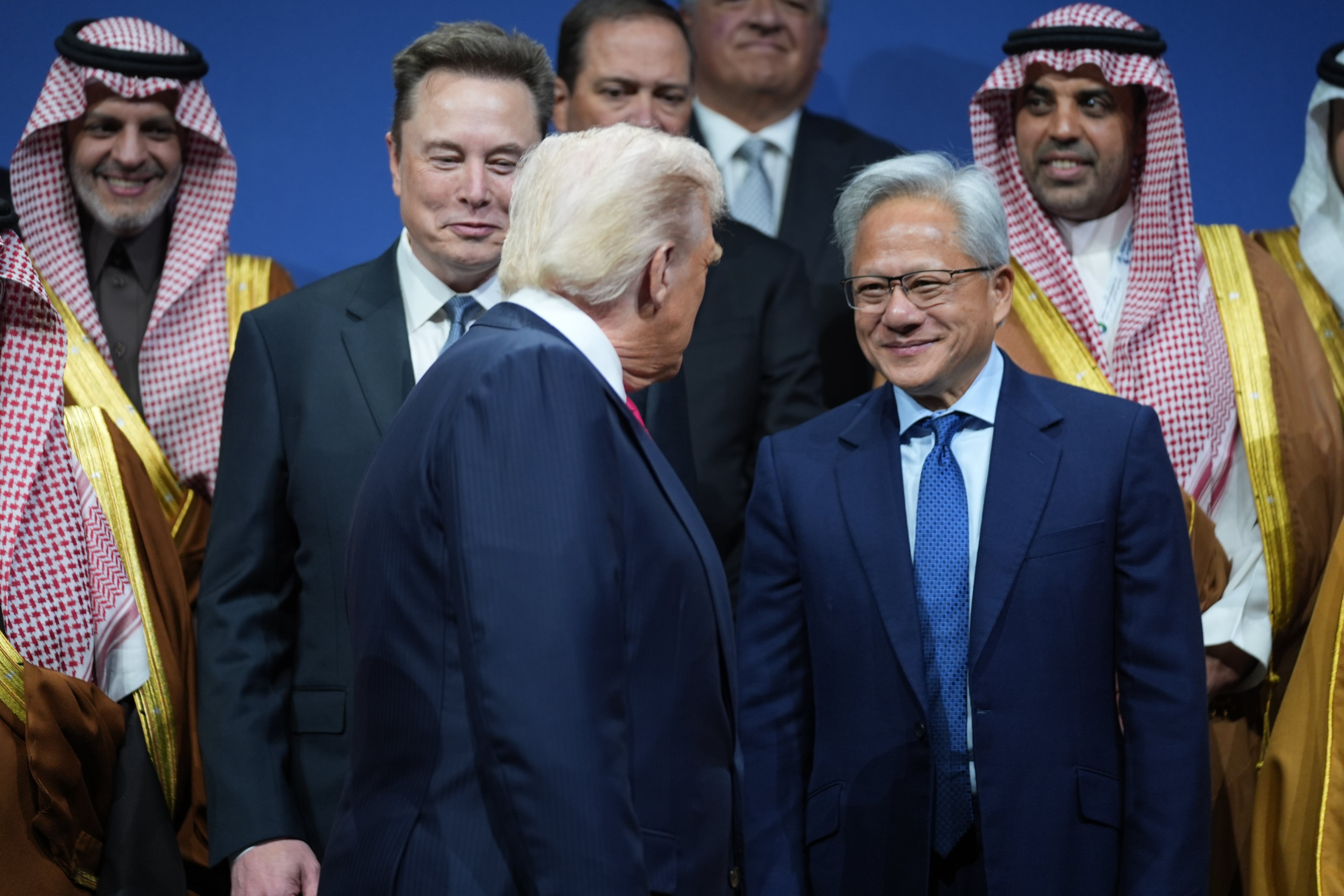
President Donald Trump says he will allow Nvidia to sell its H200 computer chip used in the development of artificial intelligence to “approved customers” in China. Trump said Monday on his social media site that he had informed China’s leader Xi Jinping and “President Xi responded positively!” There had been concerns about allowing advanced computer chips into China as it could help them to compete against the U.S. in building out AI capabilities. But there has also been a desire to develop the AI ecosystem with American companies such as chipmaker Nvidia.