WASHINGTON (AP) — Americans’ view of the U.S. economy declined modestly in August as anxiety over a weakening job market grew for the eighth straight month.
The Conference Board said Tuesday that its consumer confidence index ticked down by 1.3 points to 97.4 in August, down from July’s 98.7, but in the same narrow range of the past three months.
The small decline in confidence was in line with the forecasts of most of the economists who were surveyed.
A measure of Americans’ short-term expectations for their income, business conditions and the job market fell by 1.2 points to 74.8, remaining significantly below 80, the marker that can signal a recession ahead.
Consumers’ assessments of their current economic situation also fell modestly, to 131.2 in August from 132.8 in July.
While the unemployment and layoffs remain historically low, there has been noticeable deterioration in the labor market this year and mounting evidence that people are having difficulty finding jobs.
U.S. employers added just 73,000 jobs in July, well short of the 115,000 analysts expected. Worse, revisions to the May and June figures shaved 258,000 jobs off previous estimates and the unemployment rate ticked up to 4.2% from 4.1%.
That report sent financial markets spiraling, spurring President Donald Trump to fire Erika McEntarfer, the head of Bureau of Labor Statistics, which tallies the monthly employment numbers.
Another government report showed that U.S. employers posted 7.4 million job vacancies in June, down from 7.7 million in May. The number of people quitting their jobs — a sign of confidence in their prospects elsewhere — also fell.
More jobs data comes next week when the government releases its August job gains and June job openings reports.
The Conference Board’s report said that references to high prices and inflation increased again and were often mentioned in tandem with tariffs.
Other government data this month showed that while prices at the consumer level held fairly steady from June to July, U.S. wholesale inflation surged unexpectedly last month. Economists say that’s a sign that Trump’s sweeping taxes on imports are pushing costs up and that higher prices for consumers may be on the way.
The share of consumers expecting a recession over the next year rose in August to the highest level since April, when Trump’s tariff rollout began.
The share of survey respondents who said they intended to buy a car in the near future rose, while those planning to purchase a home remained stable after July’s decline.
Those saying they planned to buy big-ticket items like appliances fell, but there were big variations among product categories. Respondents who said they planned to take a vacation soon, either inside of the U.S. or abroad, also declined.
President Donald Trump said he has decided to lower his combined tariff rates on imports of Chinese goods to 47% after talks with Chinese leader Xi Jinping on curbing fentanyl trafficking.
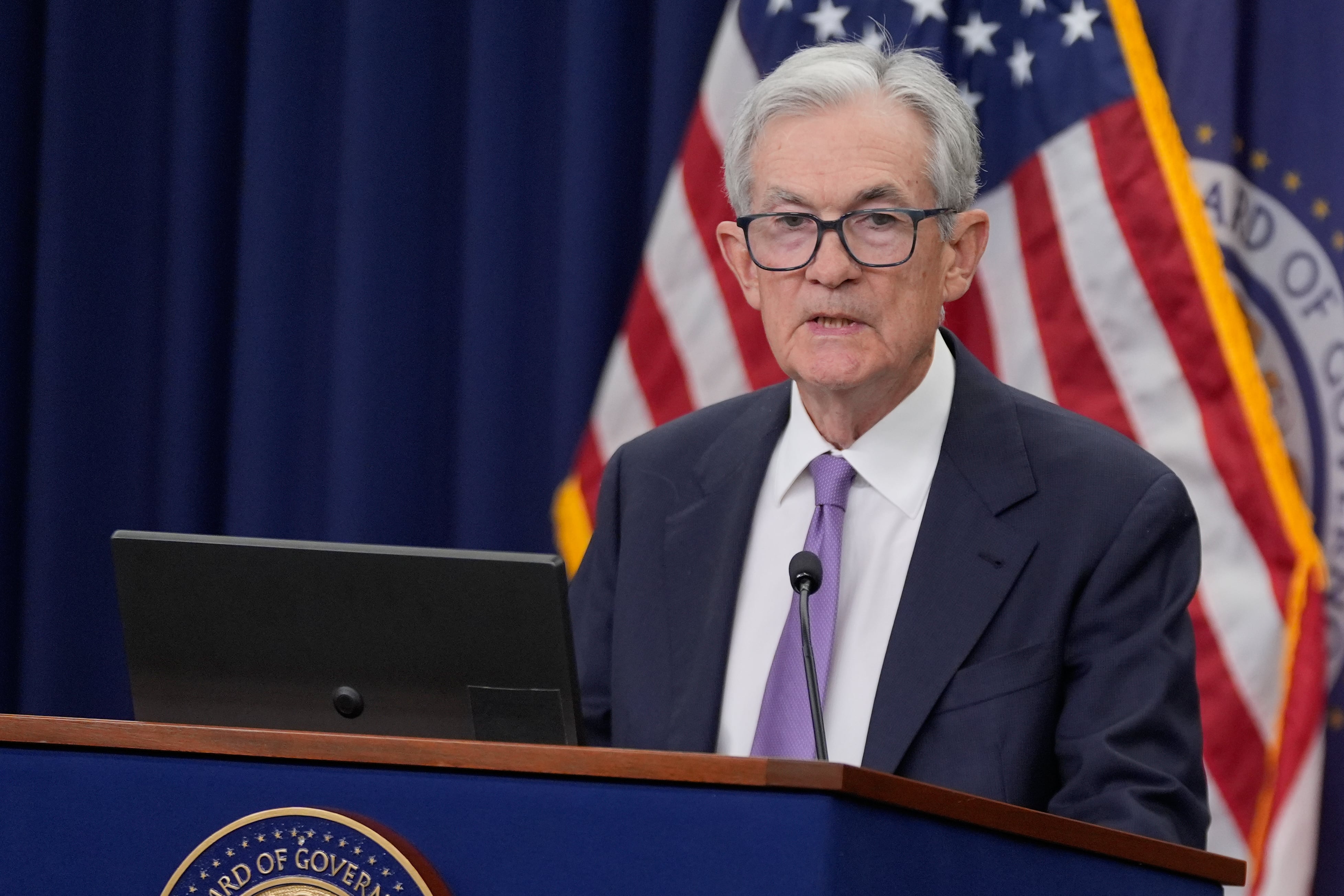
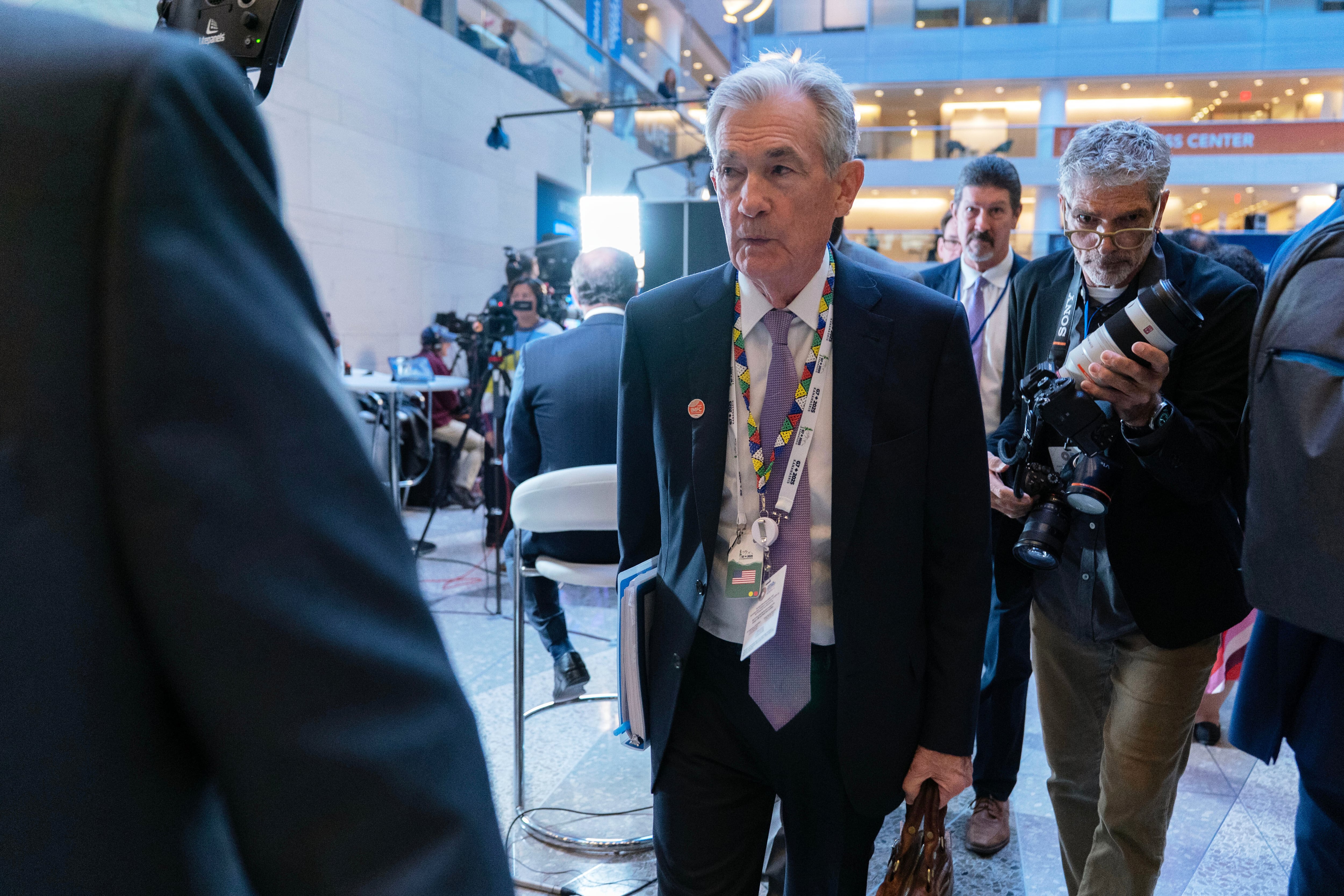
The Federal Reserve cut its key interest rate Wednesday for a second time this year as it seeks to shore up economic growth and hiring even as inflation stays elevated. The move comes amid a fraught time for the central bank, with hiring sluggish and yet inflation stuck above the Fed’s 2% target. Compounding its challenges, the central bank is navigating without much of the economic data it typically relies on from the government. The Fed has signaled it may reduce its key rate again in December but the data drought raises the uncertainty around its next moves. Fed Chair Jerome Powell told reporters that there were “strongly differing views” at the central bank's policy meeting about to proceed going forward.
The Federal Reserve will almost certainly cut its key interest rate on Wednesday and could signal it expects another cut in December as the central bank seeks to bolster hiring. A cut Wednesday would be the second this year and could benefit consumers by bringing down borrowing costs for mortgages and auto loans. Since Fed chair Jerome Powell strongly signaled in late August that rate cuts were likely this year, the average 30-year mortgage rate has fallen to about 6.2% from 6.6%. Still, the Fed is navigating an unusual period for the U.S. economy and its future moves are harder to anticipate than is typically the case.
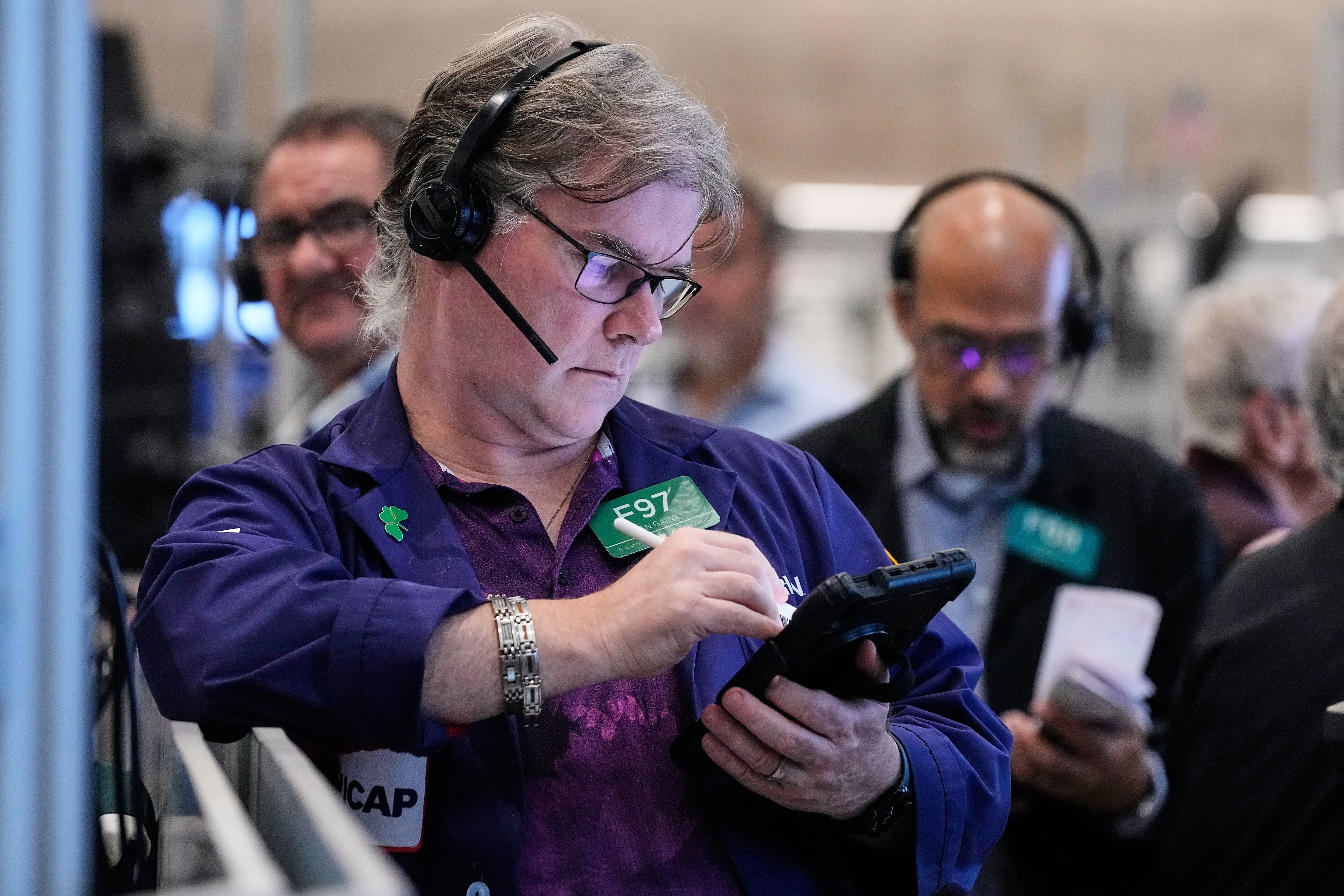
Stocks are rallying toward more records ahead of a week packed with potentially market-moving events. The S&P 500 rose 1% Monday. The Dow Jones Industrial Average added 224 points, and the Nasdaq composite jumped 1.7%. Stocks also climbed in Asia ahead of a meeting on Thursday between the heads of the United States and China. The hope is that the talks could clear rising tensions between the world’s two largest economies. This upcoming week will feature profit reports from some of Wall Street's most influential companies and a meeting by the Federal Reserve on interest rates. Gold fell back toward $4,000 per ounce.
U.S. and Chinese officials say a trade deal between the world’s two largest economies is drawing closer. The sides have reached an initial consensus for President Donald Trump and Chinese leader Xi Jinping to aim to finalize during their high-stakes meeting Thursday in South Korea. Any agreement would be a relief to international markets. Trump's treasury secretary says discussions with China yielded preliminary agreements to stop the precursor chemicals for fentanyl from coming into the United States. Scott Bessent also says Beijing would make “substantial” purchases of soybean and other agricultural products while putting off export controls on rare earth elements needed for advanced technologies.
Some seniors say the Social Security Administration's cost-of-living adjustment won’t help much in their ability to pay for their daily expenses. The agency announced Friday the annual cost-of-living adjustment will go up by 2.8% in 2026, translating to an average increase of more than $56 for retirees every month. Eighty-year-old Florence, South Carolina, resident Linda Deas says it does not match the current "affordability crisis.” The benefits increase will go into effect for Social Security recipients beginning in January. Friday’s announcement was meant to be made last week but was delayed because of the federal government shutdown. Recipients got a 2.5% COLA boost in 2025 and a 3.2% increase in 2024.
Wall Street is heading for records after an update said U.S. households are feeling a bit less pain from inflation than feared. The S&P 500 climbed 1% Friday and was on track to top its all-time high set earlier this month. The Dow Jones Industrial Average jumped 529 points, and the Nasdaq composite rose 1.3%. Both are also heading toward records. The inflation data could clear the way for the Federal Reserve to keep cutting interest rates in hopes of helping the slowing job market. A strong earnings reports from Ford Motor and continued gains for AI stars also drove stocks higher.
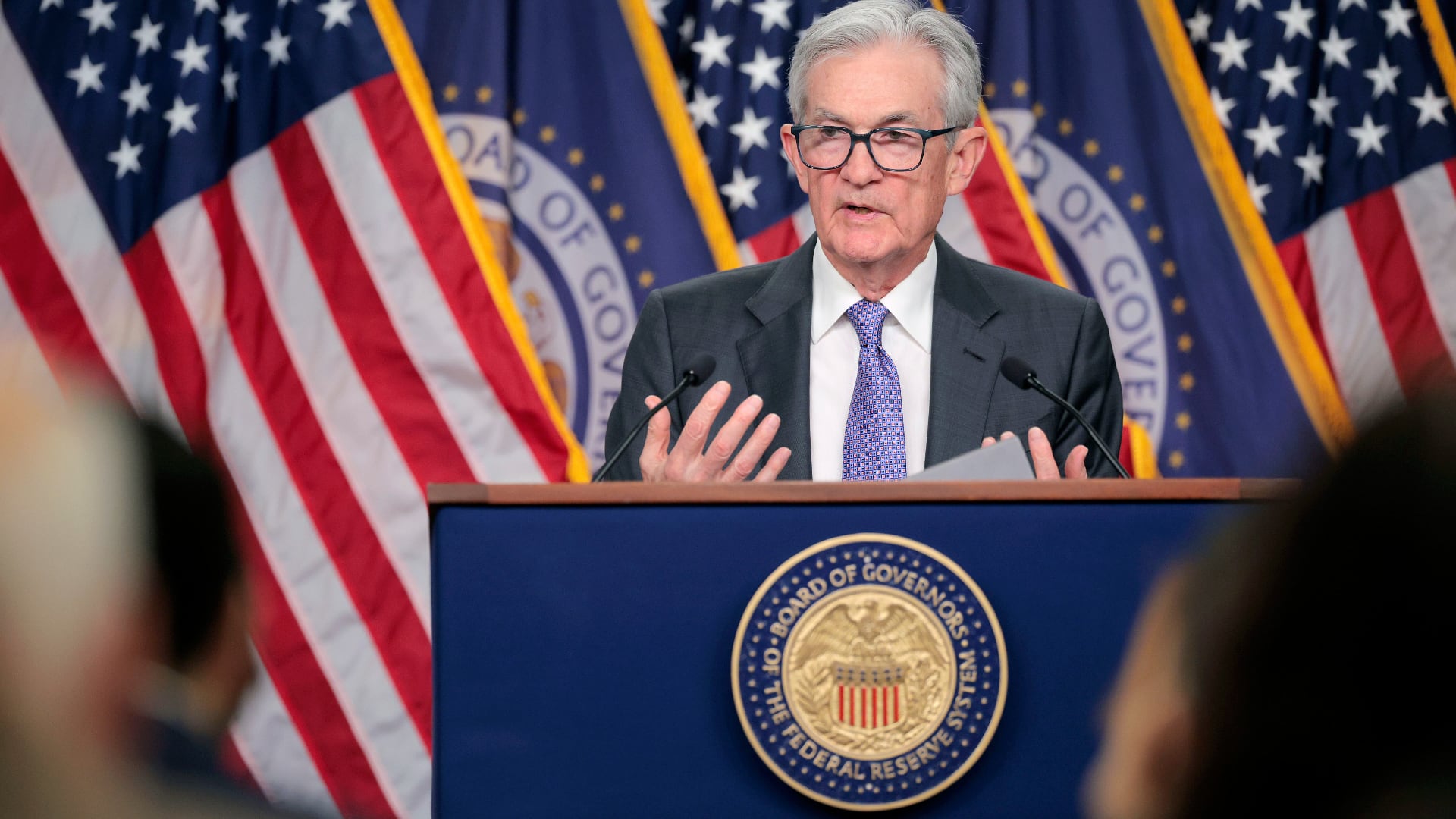
Federal Reserve Chair Jerome Powell says that a sharp slowdown in hiring poses a growing risk to the U.S. economy.
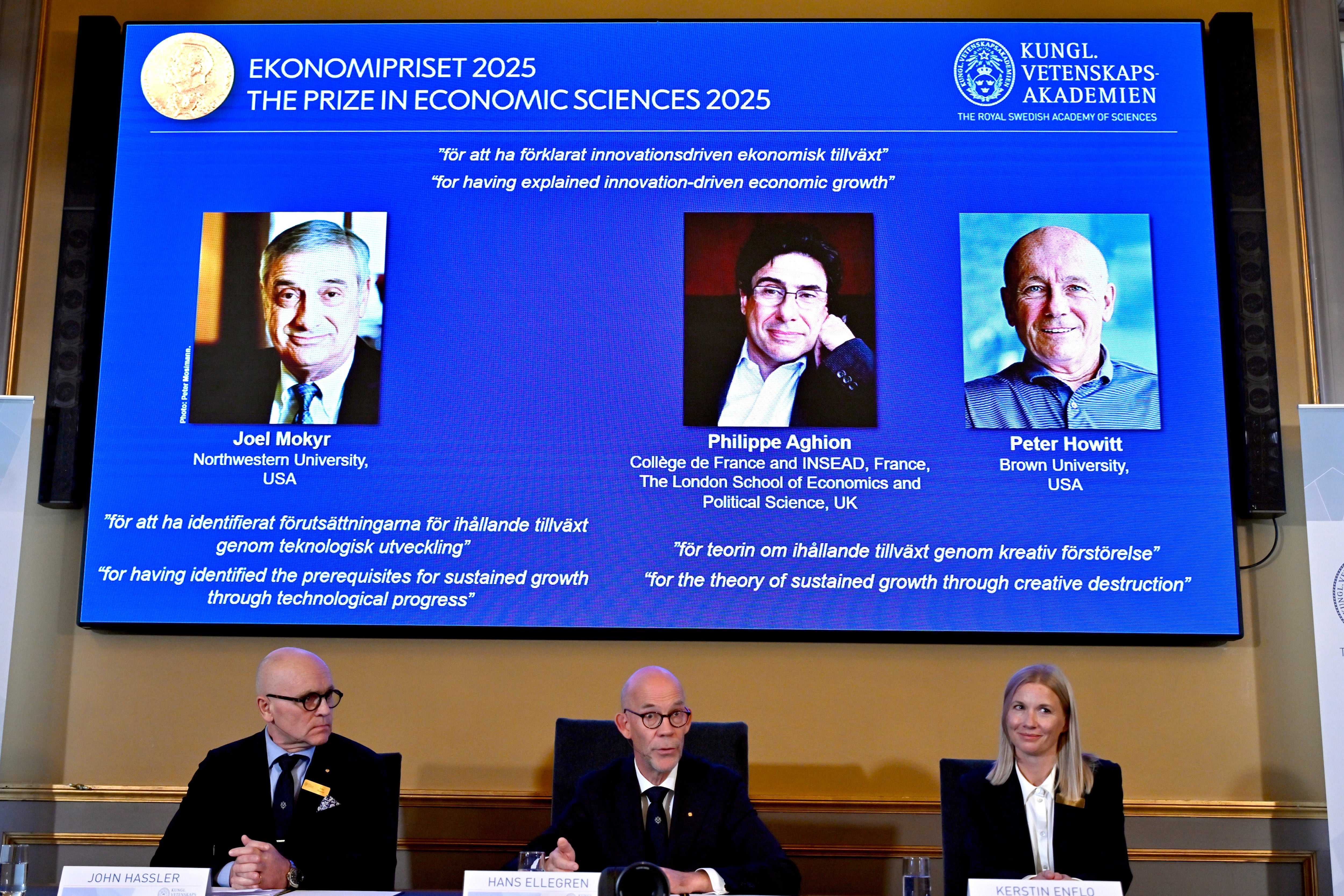
Three researchers who probed the process of business innovation have won the Nobel memorial prize in economics for explaining how new products and inventions promote economic growth and human welfare, even as they leave older companies in the dust.
U.S. stocks are rising and recovering some of their sell-off from Friday. The S&P 500 climbed 1.6%.