Are Personal Checks Done? Target Will Stop Accepting Them Next Week
By Anne D'innocenzio
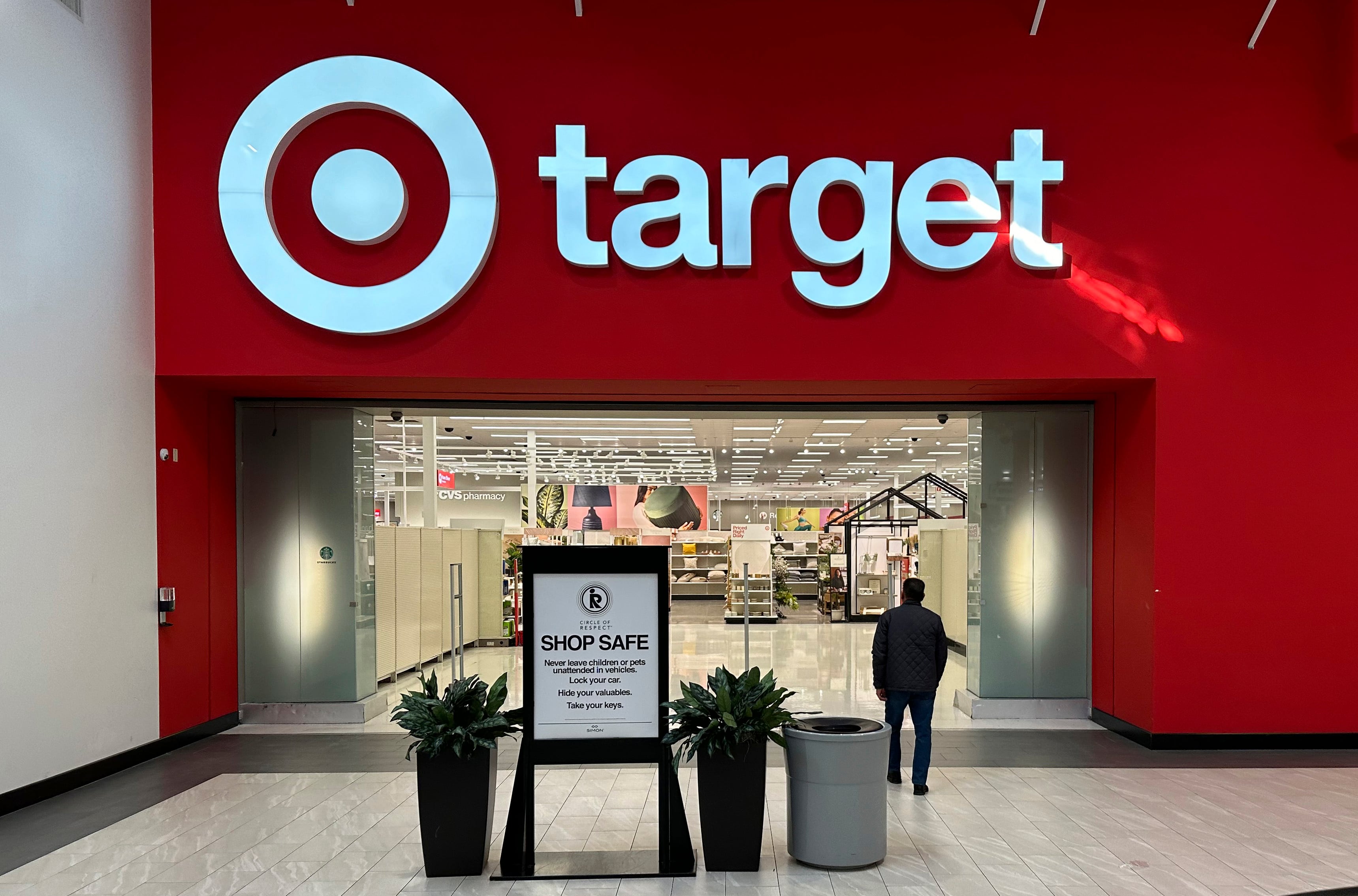
FILE - A shopper heads into a Target store Jan. 11, 2024, in Lakewood, Colo. Target will no longer accept personal checks from shoppers as of July 15, underscoring how this once popular method of payment has gone the way of such archaic artifacts as the floppy disc or the rolodex. (AP Photo/David Zalubowski, File)
NEW YORK (AP) — Target will no longer accept personal checks from shoppers as of July 15, another sign of how a once ubiquitous payment method is going the way of outmoded objects like floppy disks and the Rolodex.
The Minneapolis-based discounter confirmed the move in a statement to The Associated Press on Tuesday, citing “extremely low volumes” of customers who still write checks. Target said it remained committed to creating an easy and convenient checkout experience with credit and debit cards, “buy now, pay later” services and the Target Circle membership program, which applies deals automatically at checkout.
“We have taken several measures to notify guests in advance" about the no-checks policy, the company said.
Target's decision leaves Walmart, Macy’s and Kohl’s among the retailers that still accept personal checks at their stores. Whole Foods Market and the Aldi supermarket chain previously stopped taking checks from customers.
Shoppers have pulled out checkbooks increasingly less often since the mid-1990s. Cash-dispensing ATMs, debit cards, online banking and mobile payment systems like Venmo and Apple Pay mean many young adults may never have written a check.
Check usage has been in decline for decades as Americans have largely switched to paying for their services with credit and debit cards. Americans wrote roughly 3.4 billion checks in 2022, down from nearly 19 billion checks in 1990, according to the Federal Reserve. However, the average size of the checks Americans wrote over the 32-year period rose from $673 in 1990 — or $1,602 in today’s dollars — to $2,652.
The drop in check writing enabled the Federal Reserve to sharply reduce its national check processing infrastructure. In 2003, it ran 45 check-processing locations nationwide; since 2010, it has operated only one.
Rising incidents of check fraud are also making people shy away from check writing. It’s being fueled by organized crime that is forcing small businesses and individuals to take additional safety protections or to avoid sending checks through the mail altogether.
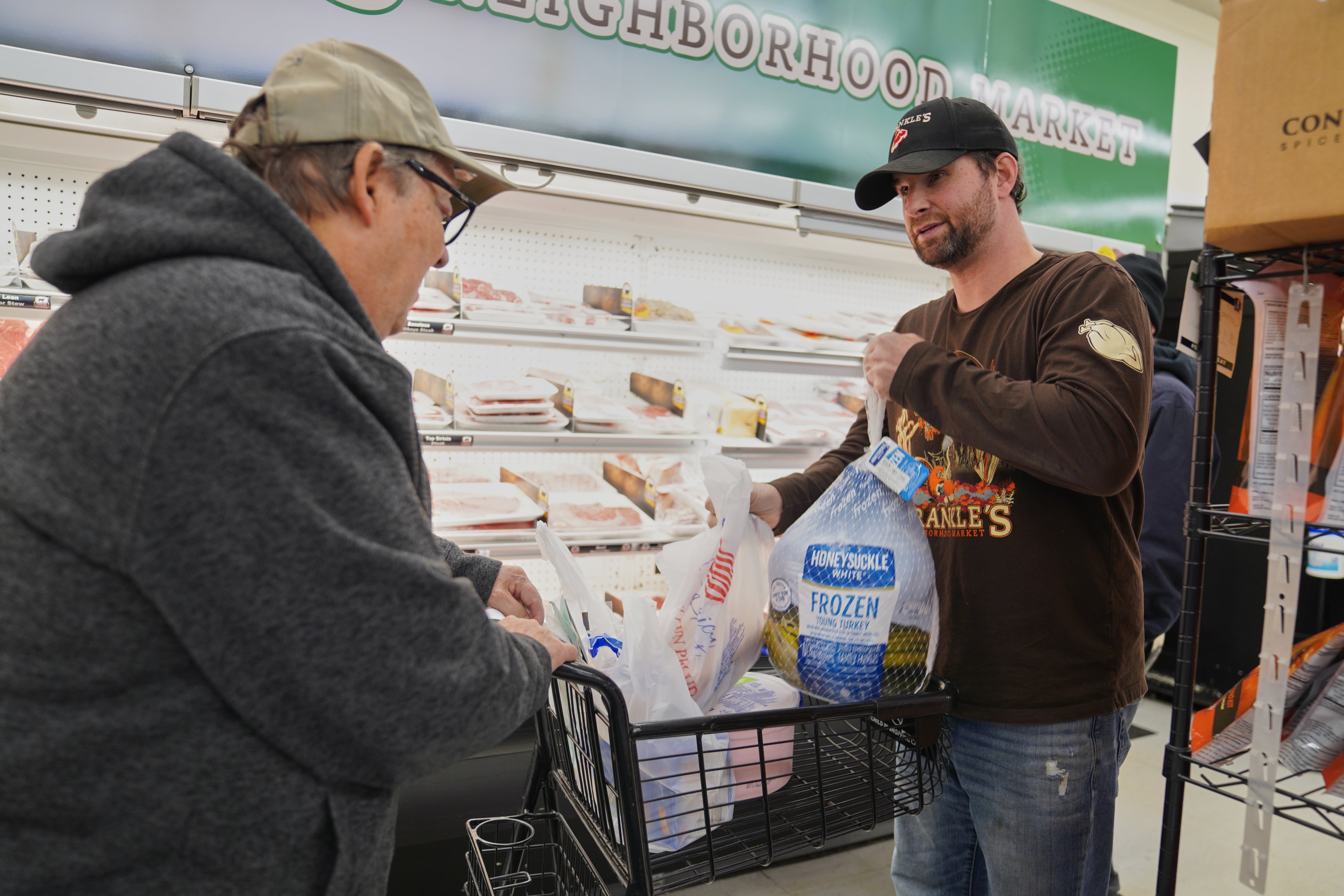
Some small grocery stores and neighborhood convenience stores are eager for the U.S. government shutdown to end and for their customers to start receiving federal food aid again. Late last month, the Trump administration froze funding for the SNAP benefits that about 42 million Americans use to buy groceries. The U.S. Department of Agriculture says about 74% of the assistance was spent last year at superstores like Walmart and supermarkets like Kroger. Around 14% went to smaller stores that are more accessible to SNAP beneficiaries. A former director of the United Nations World Food Program says SNAP is not only a social safety net for families but a local economic engine that supports neighborhood businesses.
Andy Baehr, Head of Product at CoinDesk Indices, breaks down crypto’s Black Friday crash, Bitcoin dipping under $100K, and what’s driving the market rout.
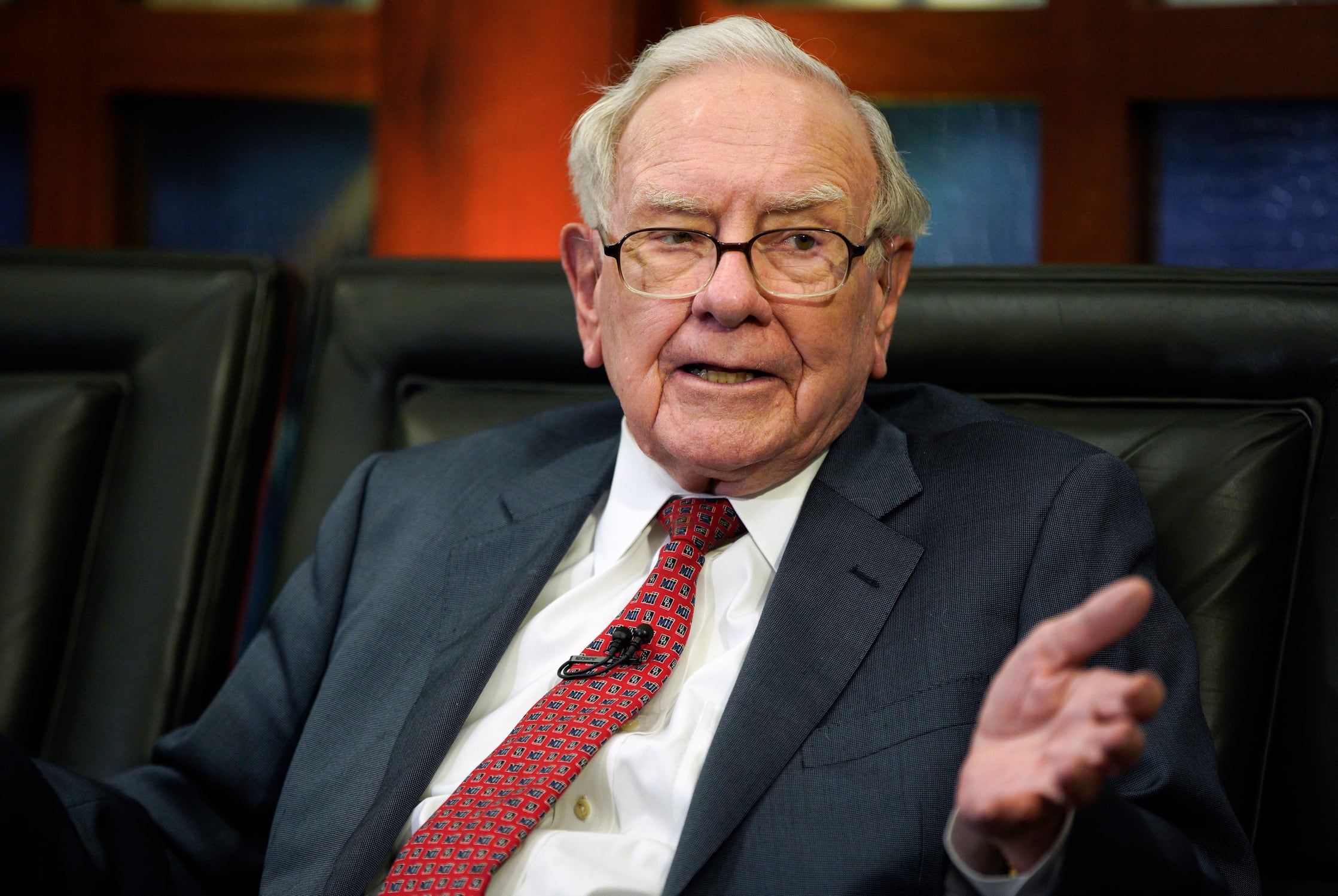
Billionaire Warren Buffett warned shareholders Monday that many companies will fare better than his Berkshire Hathaway in the decades ahead as Father Time catches up
Chris Marquette of POLITICO breaks down how the FAA is cutting flights and facing a critical shortage of air‑traffic controllers amid the government shutdown.
Dr. Manuele Aufiero, CEO & Co‑Founder of Sizable En a groundbreaking undersea energy‑storage technology powering the global shift to clean, scalable power.
Paul Fipps, President of Global Customer Operations at ServiceNow, breaks down the company’s earnings beat, 5‑for‑1 stock split and booming enterprise AI demand