Apple’s fight against government order for backdoor access to encrypted data
By Kelvin Chan
FILE - The Apple logo is illuminated at a store in Munich, Germany, Monday, Nov. 13, 2023. AP Photo/Matthias Schrader, File)(
LONDON (AP) — Apple is fighting a British government order for the iPhone maker to provide so-called backdoor access to its encrypted cloud storage service, a U.K. court confirmed on Monday.
The Investigatory Powers Tribunal revealed the legal battle when it rejected a bid by Britain's Home Office to have the case heard in private.
Apple had said in February that it would stop offering its end-to-end encryption feature for British users after the government reportedly issued the demand, which raised fears of electronic spying by national security officials.
British media, citing unnamed sources, later reported that Apple was appealing the order but neither the company nor the British government have commented on the dispute.
The tribunal dismissed the Home Office's argument that the case should be held in secret, saying "bare details" such as the existence of the case and identities of the parties involved could be disclosed.
“We do not accept that the revelation of the bare details of the case would be damaging to the public interest or prejudicial to national security," two judges said, according to a summary of the ruling posted online.
British media organizations and civil liberty groups had asked the tribunal not to hold the case behind closed doors.
Apple declined to comment and referred inquiries to an earlier statement saying it was withdrawing its security option for users in the United Kingdom.
The feature, which has been available since 2022 and which users must opt in to, protects iCloud files, photos, notes and other data with end-to-end encryption when they’re stored in the cloud.
The dispute surfaced after the Washington Post reported, citing anonymous sources, that British security officials had issued the U.S. tech giant with a secret order requiring the creation of so-called backdoor access to view fully encrypted material.
The newspaper said the British government served Apple with what’s known as a “technical capability notice” ordering it to provide access under a sweeping law called the Investigatory Powers Act of 2016, which has been dubbed the Snoopers’ Charter.
The Home Office said in a statement that it does not comment on legal proceedings. “Nor do we comment on operational matters, including confirming or denying the existence of individual notices.”
The dispute has caught the attention of U.S. officials. Director of National Intelligence Tulsi Gabbard wrote to members of Congress saying she has serious concerns about demand because it would violate Americans’ rights and raise concerns about a foreign government pressuring a U.S.-based technology company.
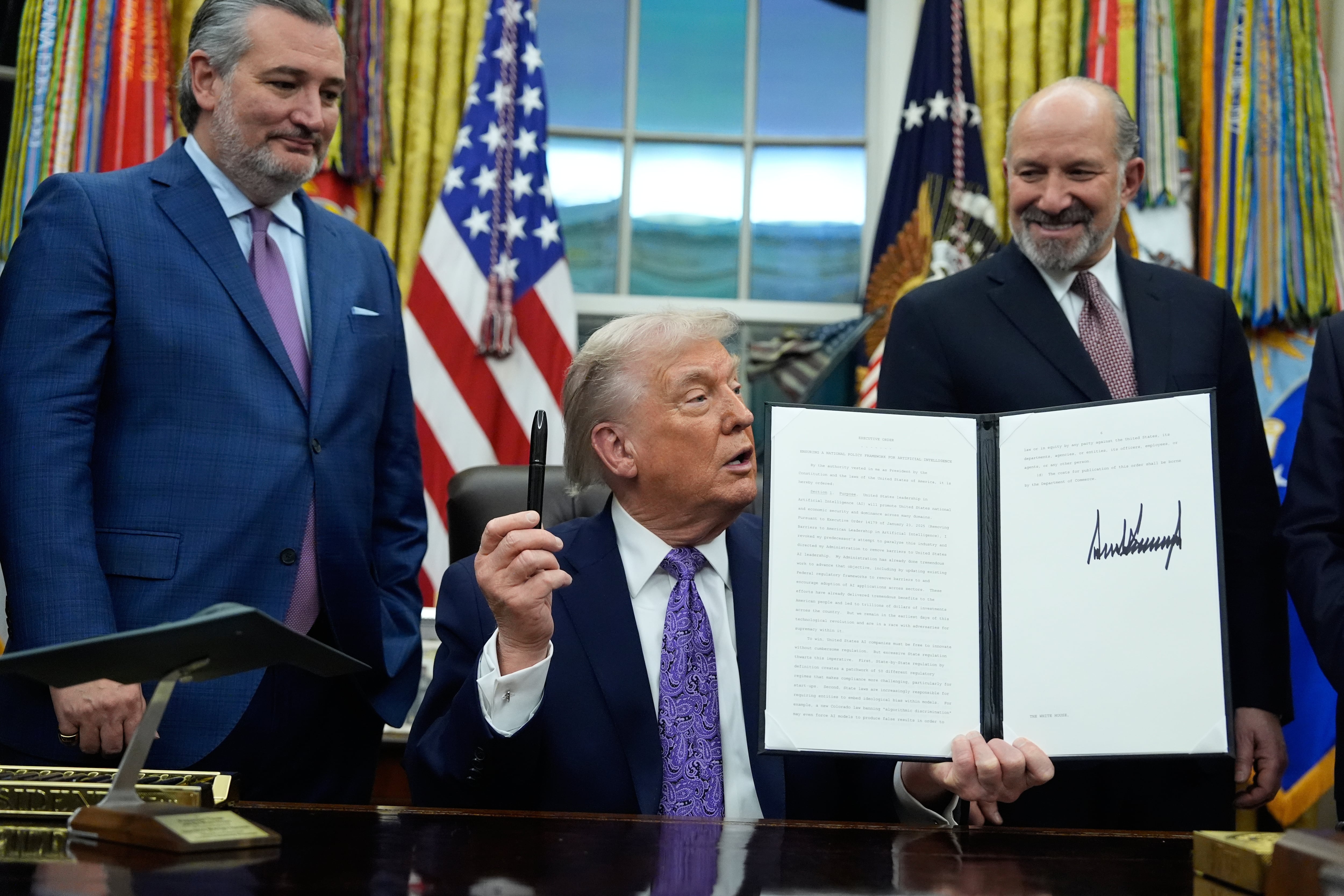
President Donald Trump has signed an executive order to block states from regulating artificial intelligence. He argues that heavy regulations could stifle the industry, especially given competition from China. Trump says the U.S. needs a unified approach to AI regulation to avoid complications from state-by-state rules. The order directs the administration to draw up a list of problematic regulations for the Attorney General to challenge. States with laws could lose access to broadband funding, according to the text of the order. Some states have already passed AI laws focusing on transparency and limiting data collection.
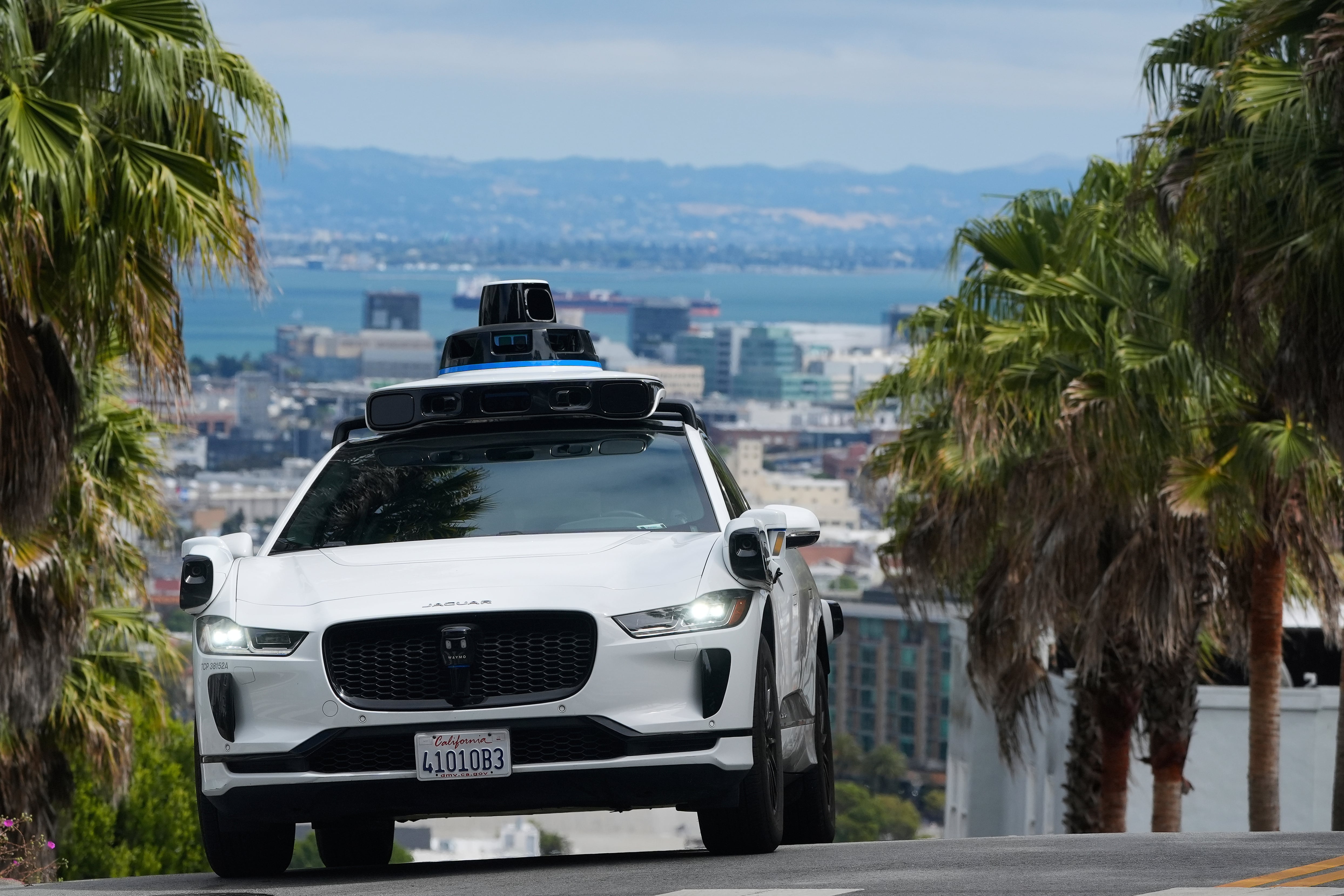
Waymo's self-driving taxis have been in the spotlight for both negative and positive reasons. This week, the automated ride-hailing taxis went viral after a San Francisco woman gave birth inside a Waymo taxi while on her way to the hospital. A Waymo spokesperson on Wednesday confirmed the unusual delivery. It said the company's rider support team detected unusual activity inside the vehicle and alerted 911. The taxi arrived safely at the hospital before emergency services. Waymo's popularity is growing despite heightened scrutiny following an illegal U-turn and the death of a San Francisco cat. The company, owned by Alphabet, says it is proud to serve riders of all ages.
OpenAI has appointed Slack CEO Denise Dresser as its first chief of revenue. Dresser will oversee global revenue strategy and help businesses integrate AI into daily operations. OpenAI CEO Sam Altman recently emphasized improving ChatGPT, which now has over 800 million weekly users. Despite its success, OpenAI faces competition from companies like Google and concerns about profitability. The company earns money from premium ChatGPT subscriptions but hasn't ventured into advertising. Altman had recently announced delays in developing new products like AI agents and a personal assistant.
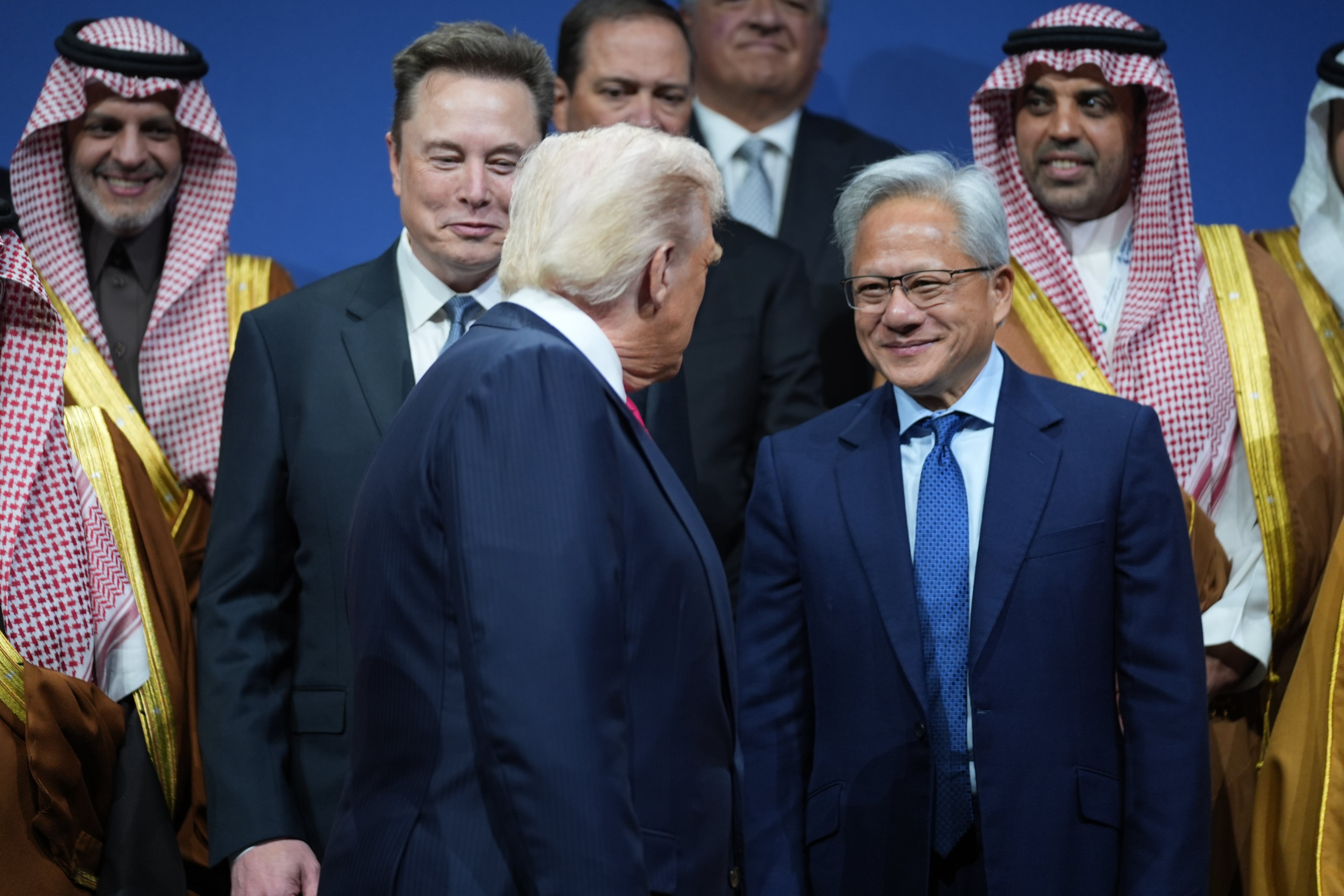
President Donald Trump says he will allow Nvidia to sell its H200 computer chip used in the development of artificial intelligence to “approved customers” in China. Trump said Monday on his social media site that he had informed China’s leader Xi Jinping and “President Xi responded positively!” There had been concerns about allowing advanced computer chips into China as it could help them to compete against the U.S. in building out AI capabilities. But there has also been a desire to develop the AI ecosystem with American companies such as chipmaker Nvidia.
The end of 2025 is almost upon us. And it’s time to unpack Spotify Wrapped. On Wednesday, the music streaming giant delivered its annual recap — giving its hundreds of millions of users worldwide a look at the top songs, artists, podcasts and other audio they listened to over the past year. Spotify isn’t the only platform to roll out a yearly glimpse of data collected from consumers’ online lives. But since its launch about a decade ago, Wrapped has become one of the most anticipated. And Spotify is billing the 2025 edition to be the biggest yet, with a host of new features it hopes may also address some disappointments users had last year.