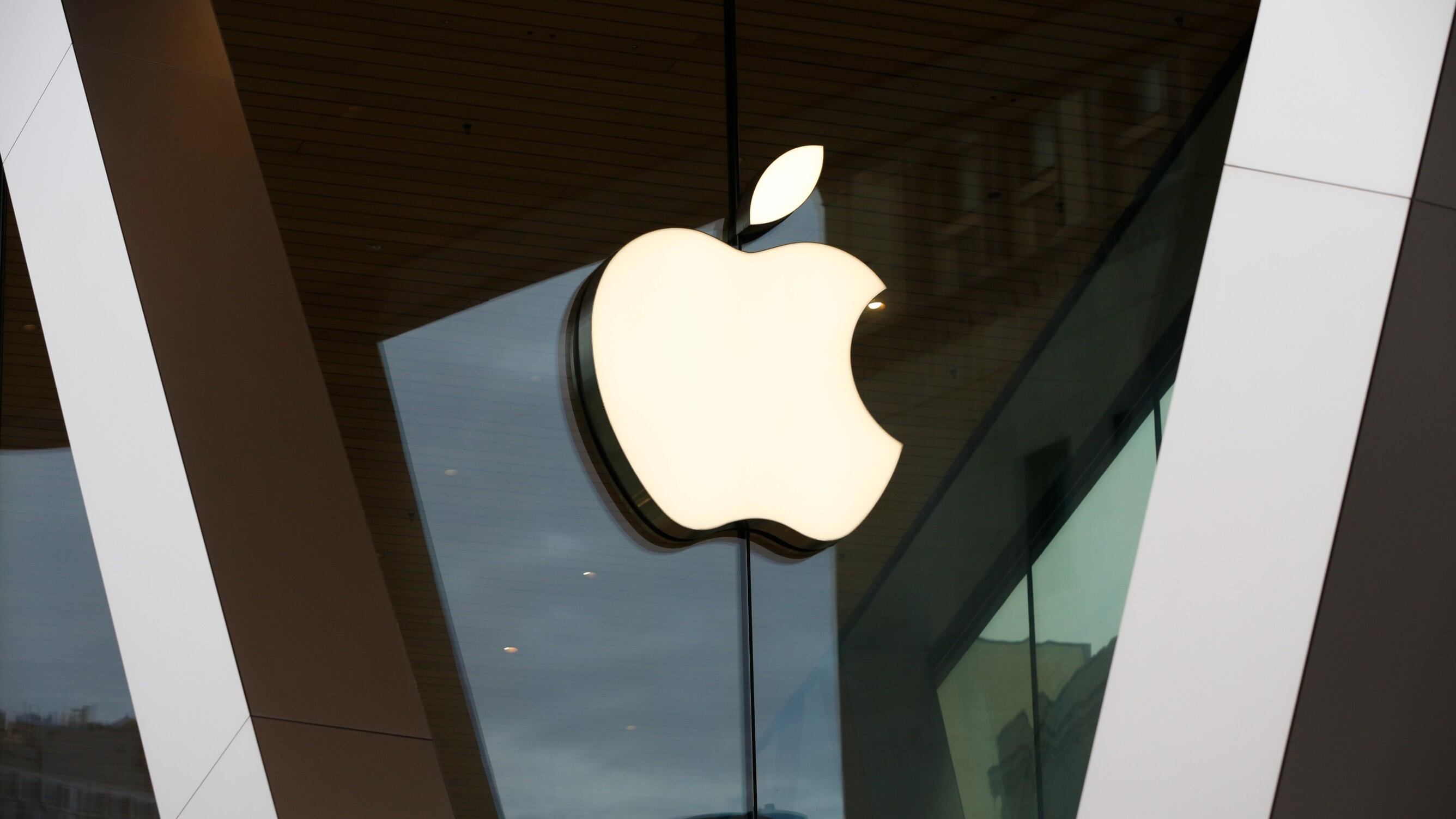
In this Saturday, March 14, 2020, file photo, an Apple logo adorns the facade of the downtown Brooklyn Apple store in New York. (AP Photo/Kathy Willens, File)
Apple filed an emergency motion seeking court permission to begin selling two of its most popular watches again until a final decision on its broader appeal in a bitter patent dispute is decided.
The company cut off sales right before the Christmas holiday and in a motion filed Tuesday, Apple said it would suffer “irreparable harm” if previous court orders remain for the two weeks that it said the U.S. International Trade Commission will take to respond to its appeal.
The disruption will likely cost Apple about $300-400 million in holiday-season sales, estimated Wedbush Securities analyst Dan Ives. That’s a relative drop in the bucket for Apple, given that industry analysts are expecting the company to generate nearly $120 billion in sales this quarter, which includes the holiday shopping season.
On Oct. 26, the ITC determined that Apple infringed on two patents owned by Masimo Corp. and Cercacor Laboratories, both U.S. companies. After a 60-day review, the ITC's decision became final Tuesday, but the company had already pulled the watches from store shelves and removed them from its online sales lineup.
On Tuesday, United States Trade Representative Katherine Tai let the ITC decision stand.
“After careful consultations, Ambassador Tai decided not to reverse the ITC’s determination,” the office of the U.S. Trade representative said, meaning that the ITC decision officially went into effect Tuesday.
The Cupertino, California tech giant stopped online sales of its Apple Watch Series 9 and Ultra 2 internet-connected watch Thursday in the U.S. after ITC rejected Apple’s bid to get around a late October order blocking the company from using some of the technology underlying the blood oxygen measurement feature on the watches.
Previously purchased Apple Watches equipped with blood oxygen measurement aren’t affected by the ITC order.
Apple contends that the ITC's decision is based on multiple factual errors and that Masimo does not sell a competing product in the U.S. in “meaningful quantities” and would not suffer harm if the order is stayed.
Shares of Apple Inc. are down slightly on a day when the tech sector is one of the strongest in Tuesday trading.
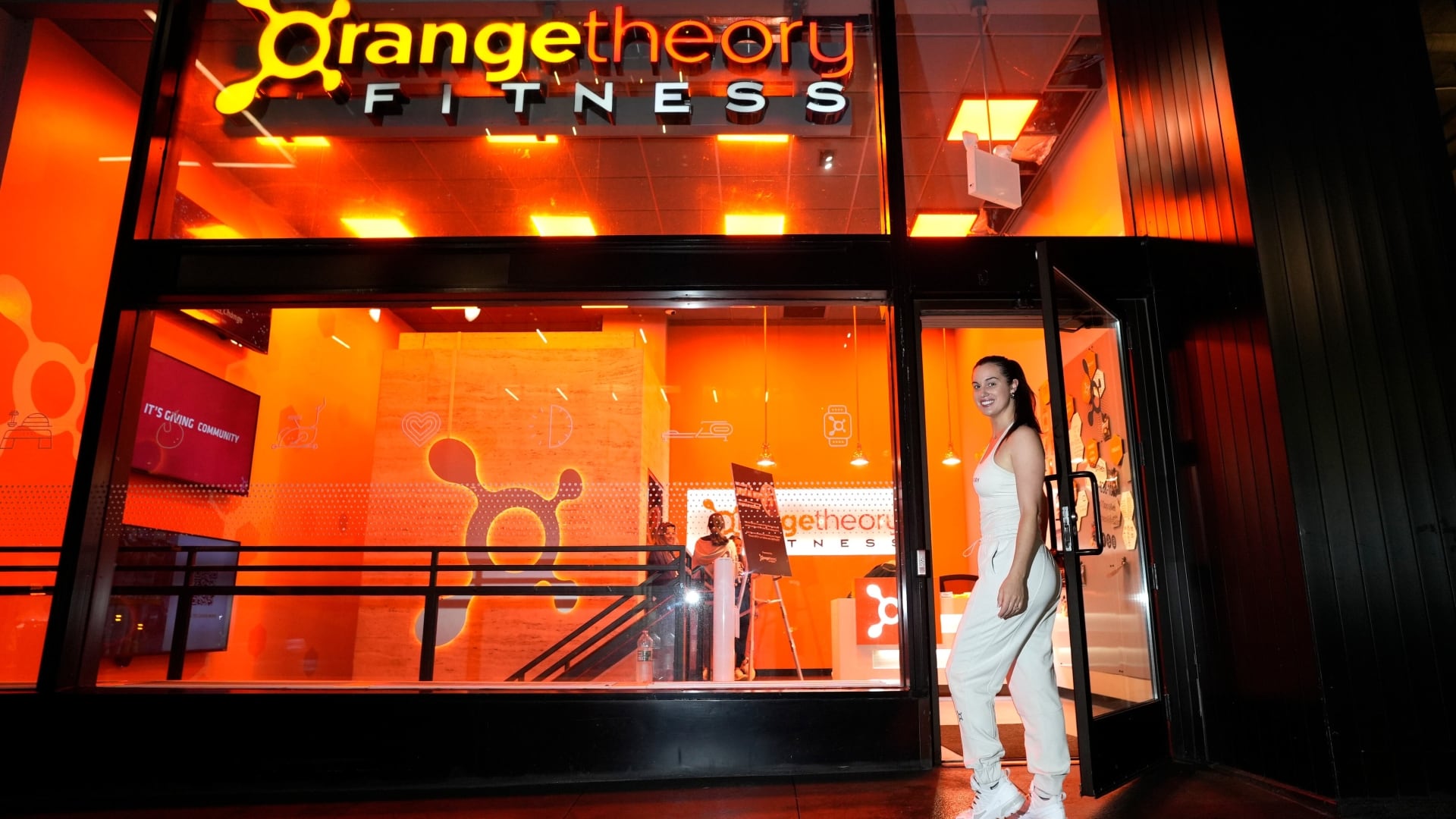
Orangetheory Fitness is redefining the future of workouts with smarter tech, strength-based programming, and community-driven studios built for what’s next.
Spain's government has fined Airbnb 64 million euros or $75 million for advertising unlicensed tourist rentals. The consumer rights ministry announced the fine on Monday. The ministry stated that many listings lacked proper license numbers or included incorrect information. The move is part of Spain's ongoing efforts to regulate short-term rental companies amid a housing affordability crisis especially in popular urban areas. The ministry ordered Airbnb in May to remove around 65,000 listings for similar violations. The government's consumer rights minister emphasized the impact on families struggling with housing. Airbnb said it plans to challenge the fine in court.
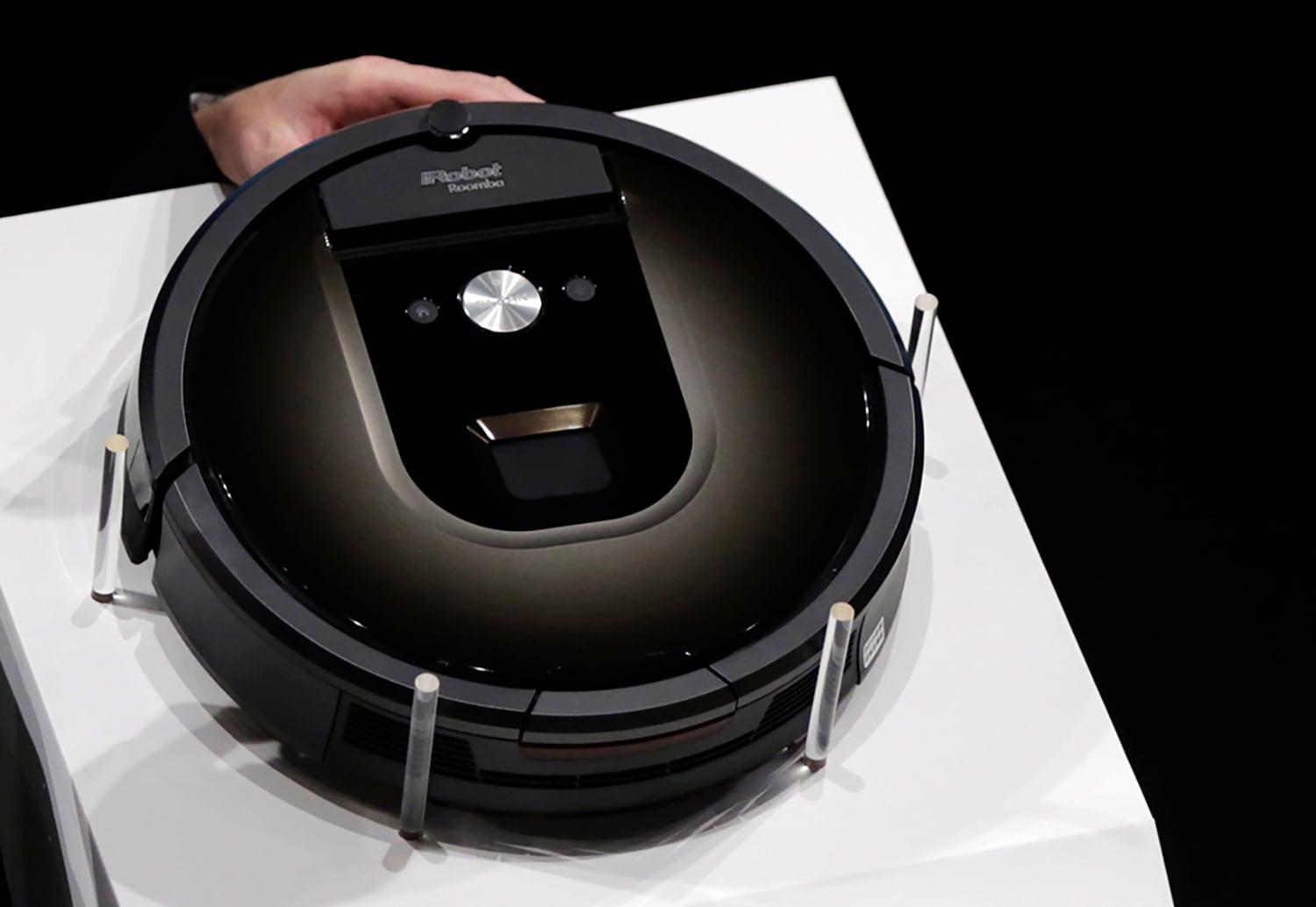
Roomba maker iRobot has filed for Chapter 11 bankruptcy protection, but says that it doesn’t expect any disruptions to devices as the more than 30-year-old company is taken private under a restructuring process. iRobot said that it is being acquired by Picea through a court-supervised process. Picea is the company's primary contract manufacturer. The Bedford, Massachusetts-based anticipates completing the prepackaged chapter 11 process by February.
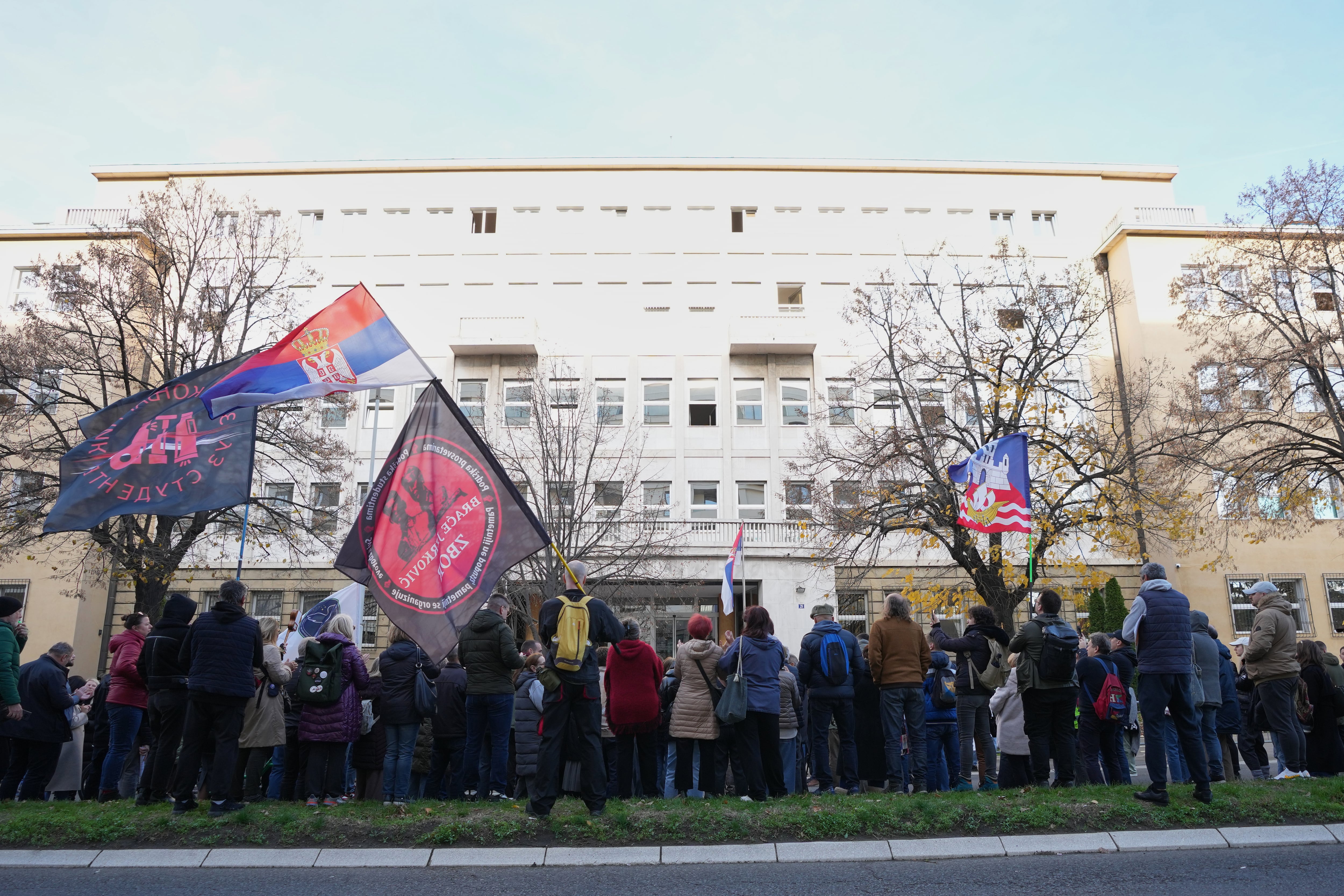
Serbia’s prosecutor for organized crime has charged a government minister and three others with abuse of position and falsifying of documents related to a luxury real estate project linked to U.S. President Donald Trump’s son-in-law Jared Kushner. The charges came on Monday. The investigation centers on a controversy over a a bombed-out military complex in central Belgrade that was a protected cultural heritage zone but that is facing redevelopment as a luxury compound by a company linked to Kushner. The $500 million proposal to build a high-rise hotel, offices and shops at the site has met fierce opposition from experts at home and abroad. Selakovic and others allegedly illegally lifted the protection status for the site by falsifying documentation.