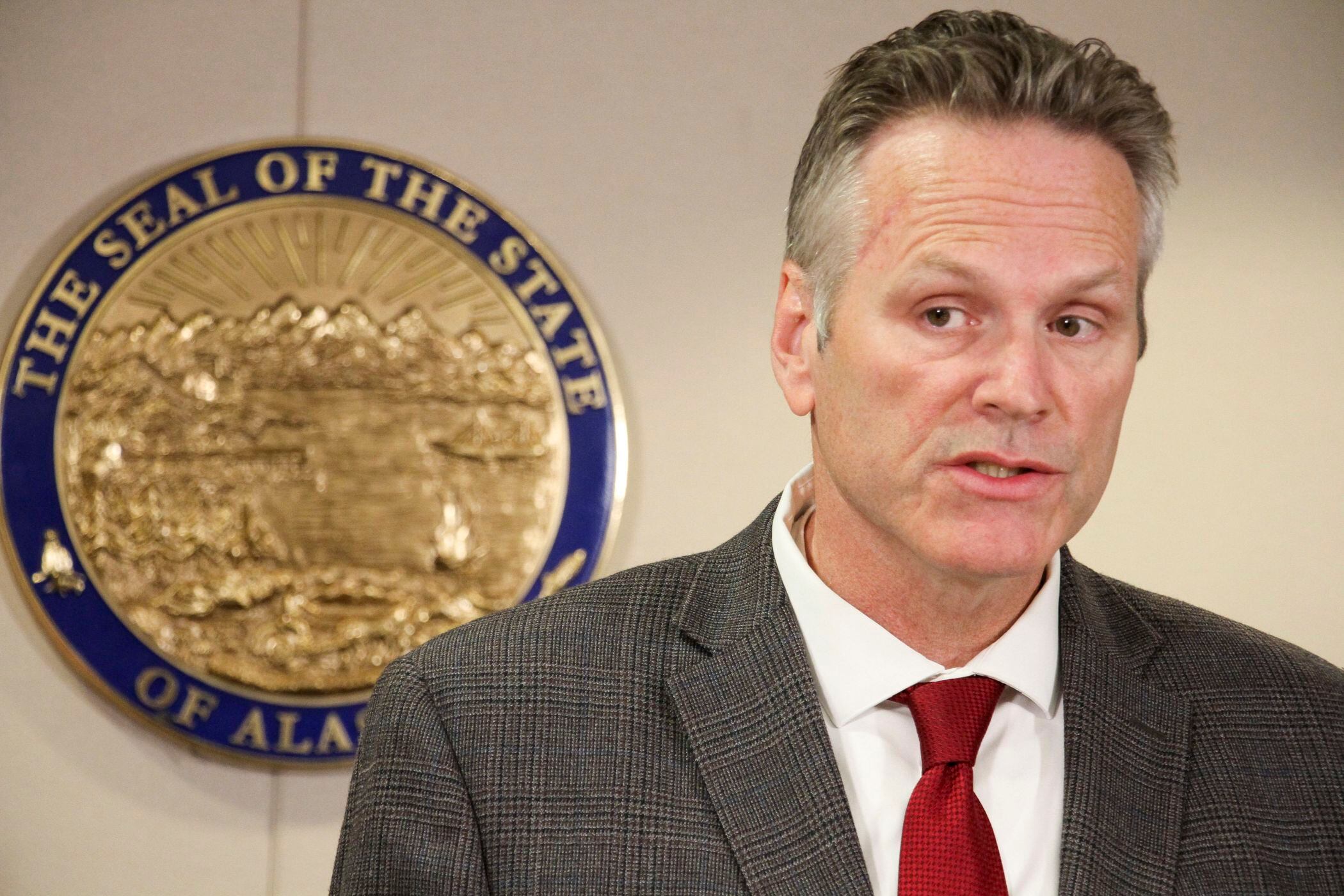
In this Sept. 27, 2019, file photo, Alaska Gov. Mike Dunleavy speaks at a news conference in Anchorage, Alaska. Dunleavy on Tuesday, March 9, 2021, announced that the COVID-19 vaccine is available for all individuals who live or work in Alaska and are age 16 and older, making Alaska the first state in the nation to remove eligibility requirements. (AP Photo/Mark Thiessen)
Alaska has become the first state to drop eligibility requirements for COVID-19 vaccines and allow anyone 16 or older who lives or works in the state to get a vaccine, Gov. Mike Dunleavy said Tuesday.
Dunleavy made the announcement after his own bout with COVID-19, which he described as an inconvenience and said underscored his own desire to be vaccinated. He said he did not become severely ill but did not want “to be laid up in the house again," impact his family or possibly spread the virus to others.
He described expanding eligibility for vaccines in Alaska as a “game changer," particularly with the summer tourist season looming and as the state seeks to rebuild its pandemic-tattered economy.
He said he respects those who do not wish to get a vaccine and wanted to relay his personal experience for those mulling vaccination. “I would ask that you give some due consideration,” the Republican said.
Dr. Anne Zink, the state’s chief medical officer, said officials were seeing open vaccine appointments and wanted to act to allow as many people who want a vaccine to get one. More appointments will be added as vaccine is moved around the state and additional doses come in, she said.
“This does feel like a gigantic milestone in so many ways to get to the point where we can offer protection for anyone who wants it in the state,” Zink said during a news conference with Dunleavy.
Alaska has led states in the percentage of its population to have received two doses of a COVID-19 vaccine, according to the U.S. Centers for Disease Control and Prevention COVID-19 Vaccine Tracker.
The state last week vastly expanded eligibility to include those ages 55 to 64 and those 16 and older who are classified as essential workers, at or potentially at high risk for severe illness from COVID-19 or who live in multigenerational households or communities lacking in water or sewer systems.
Groups from prior tiers included health care workers, those 65 and older and teachers.
Two approved vaccines require two doses. A third, requiring one shot, is being rolled out.
The state has reported about 57,300 resident COVID-19 cases and 301 related deaths since the start of the pandemic.
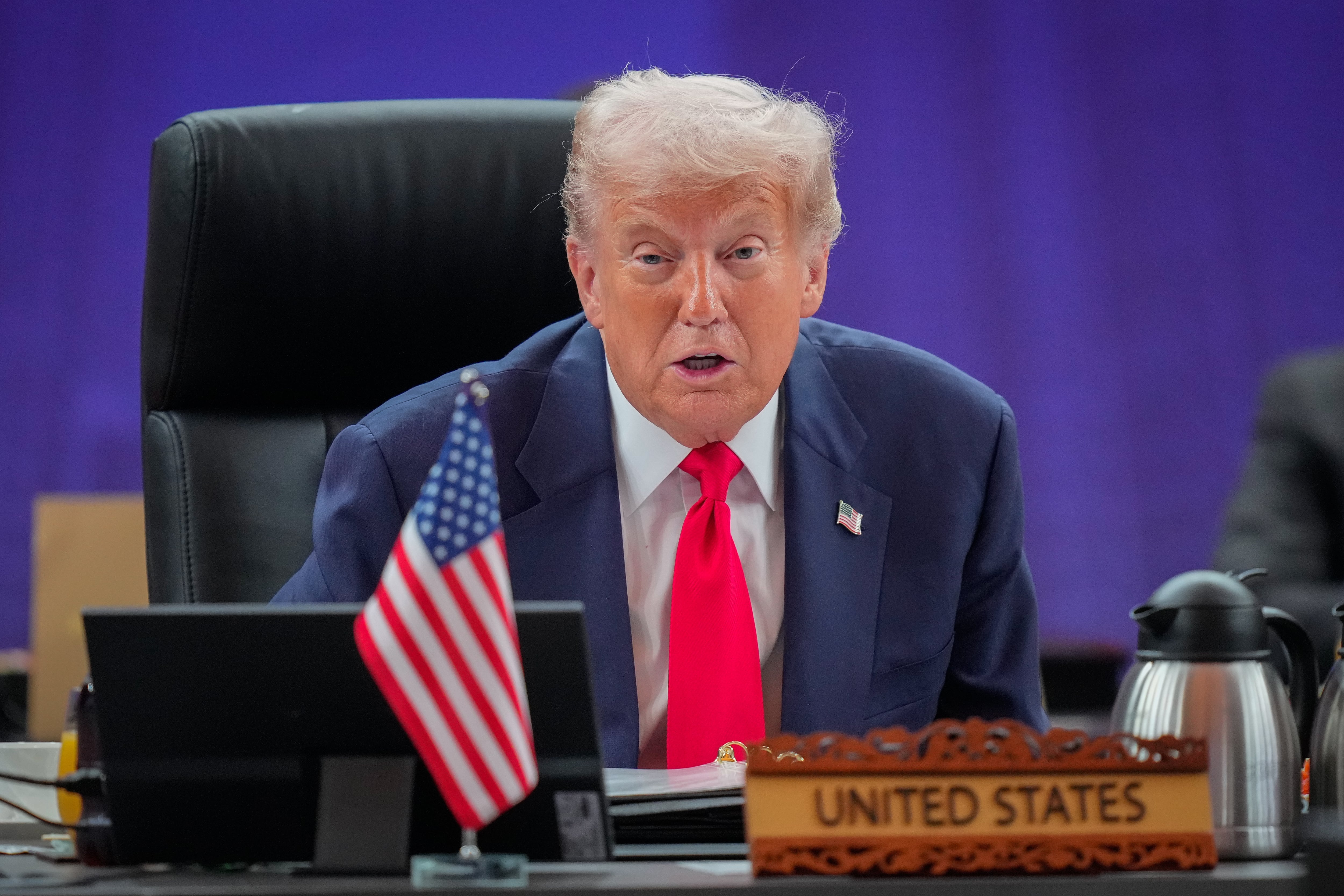
President Donald Trump says a deal struck by Netflix last week to buy Warner Bros. Discovery “could be a problem” because of the size of the combined market share. The Republican president says he will be involved in the decision about whether federal regulators should approve the deal. Trump commented Sunday when he was asked about the deal as he walked the red carpet at the Kennedy Center Honors. The $72 billion deal would bring together two of the biggest players in television and film and potentially reshape the entertainment industry.
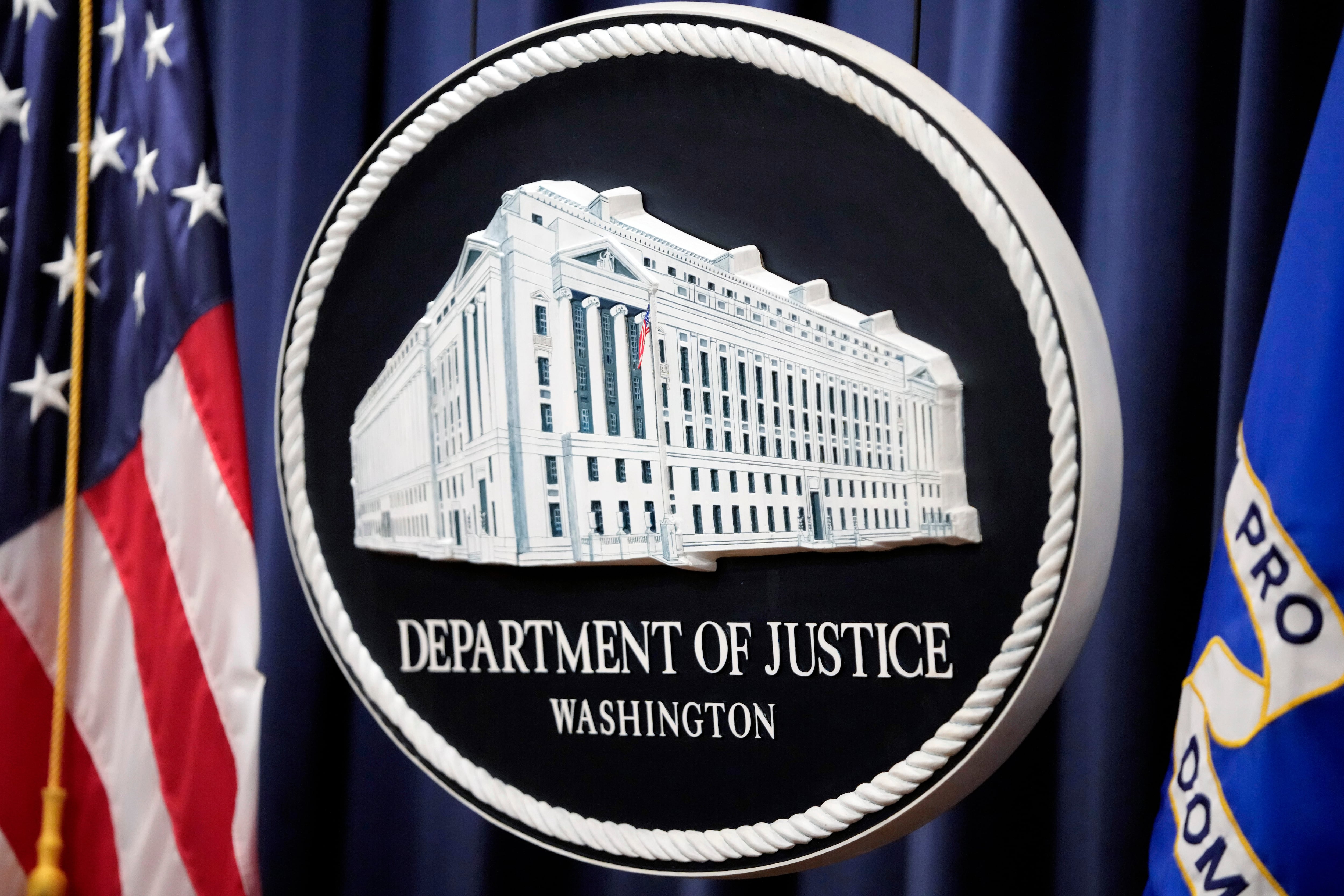
Real estate software company RealPage has agreed to stop sharing nonpublic information between landlords as part of a settlement with the Department of Justice.
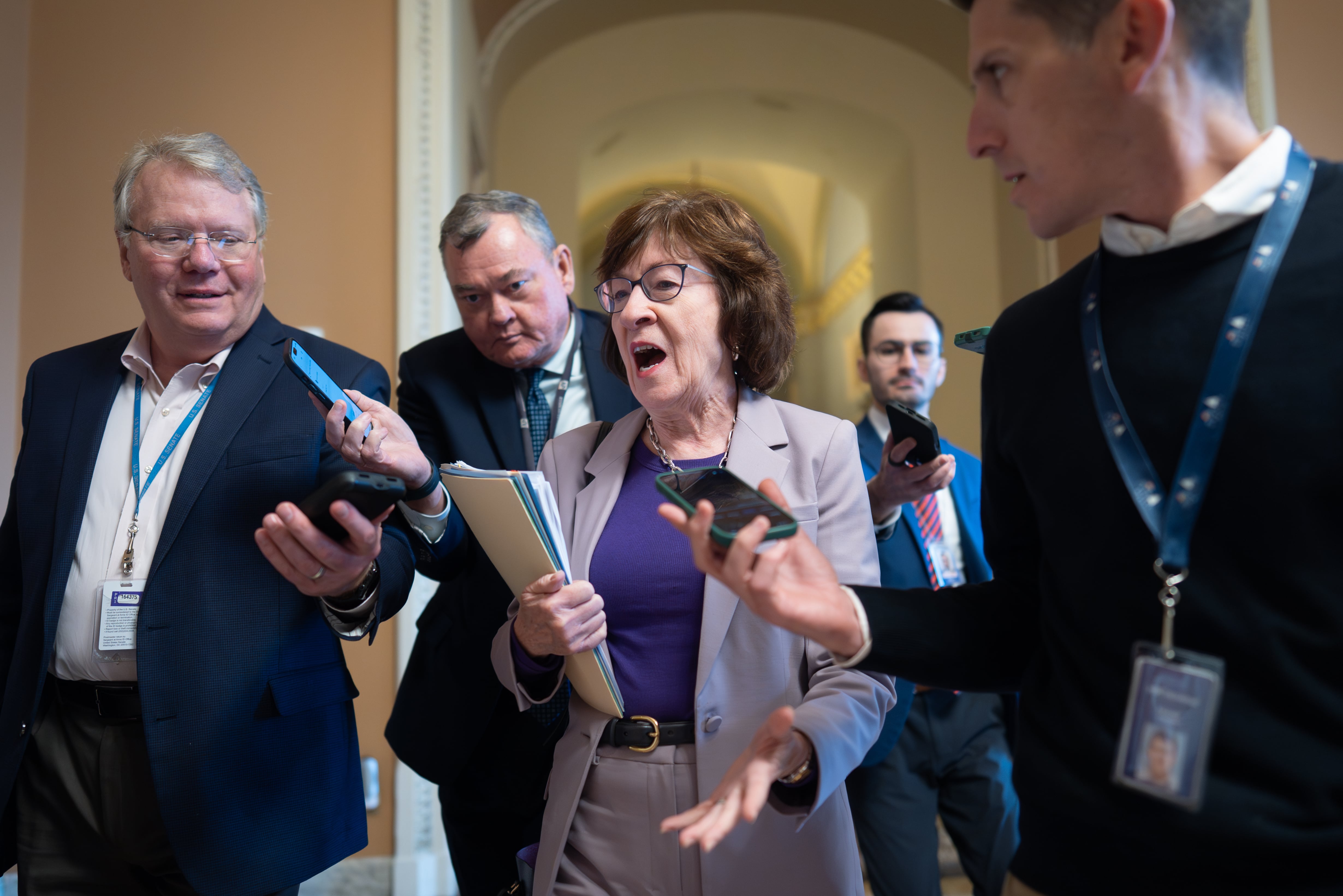
A legislative package to end the government shutdown appears on track. A handful of Senate Democrats joined with Republicans to advance the bill after what's become a deepening disruption of federal programs and services. But hurdles remain. Senators are hopeful they can pass the package as soon as Monday and send it to the House. What’s in and out of the bipartisan deal has drawn criticism and leaves few senators fully satisfied. The legislation includes funding for SNAP food aid and other programs while ensuring backpay for furloughed federal workers. But it fails to fund expiring health care subsidies Democrats have been fighting for, pushing that debate off for a vote next month.
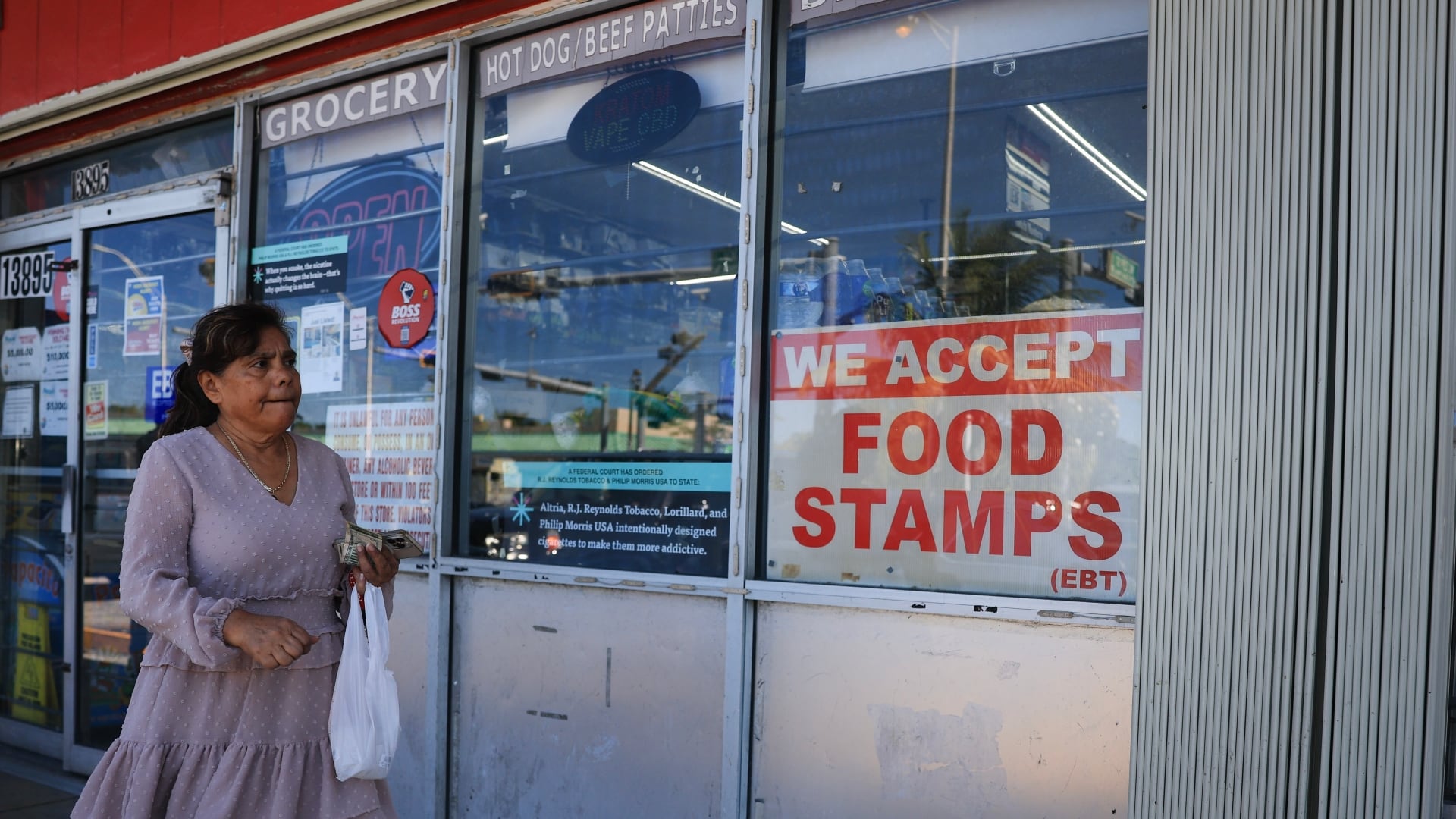
Sabrina Siddiqui, National Politics Reporter at The Wall Street Journal, joins to break down the SNAP funding delays and the human cost of the ongoing shutdown.
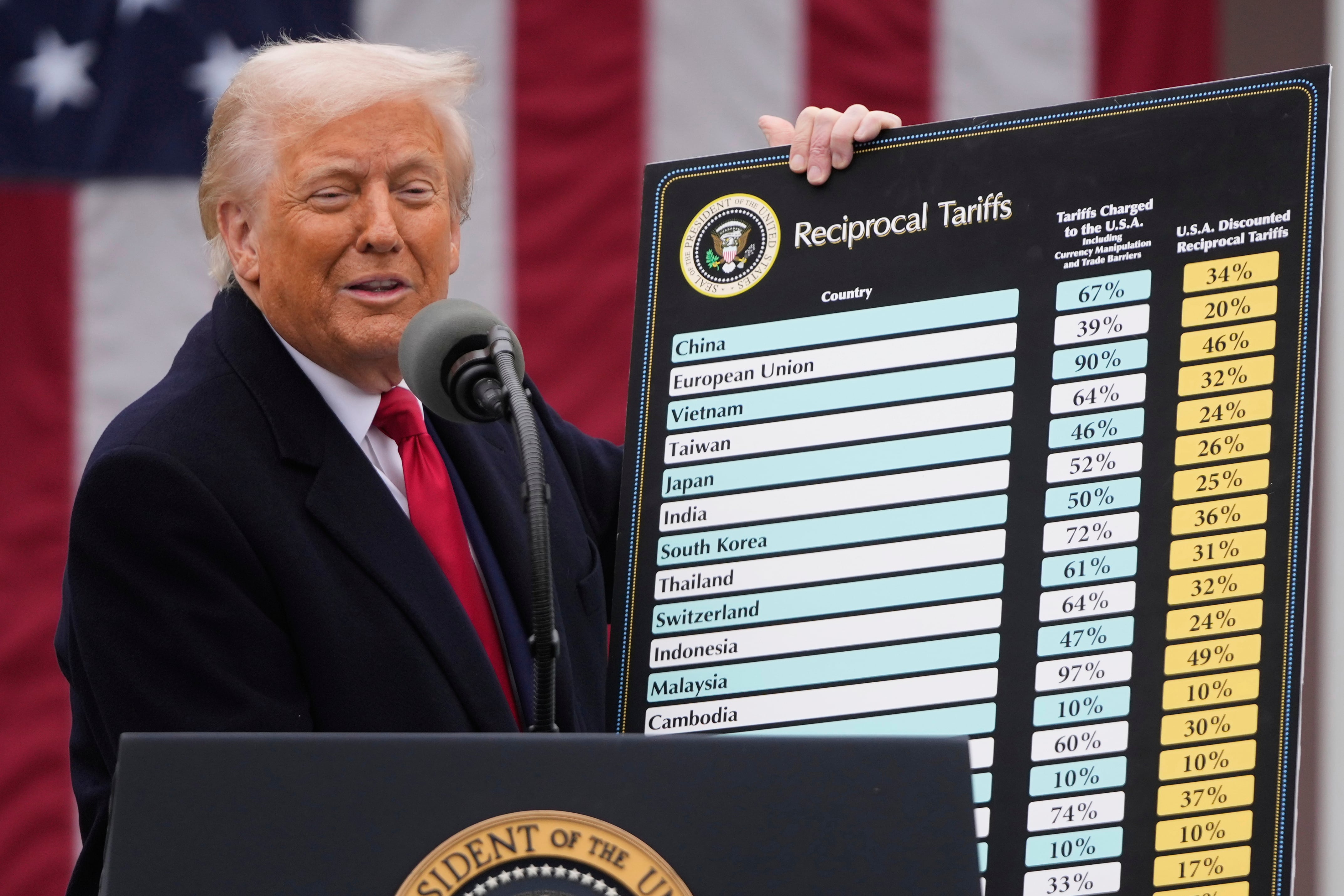
Arguments at the Supreme Court have concluded for the day as the justices consider President Donald Trump's sweeping unilateral tariffs in a trillion-dollar test of executive power.
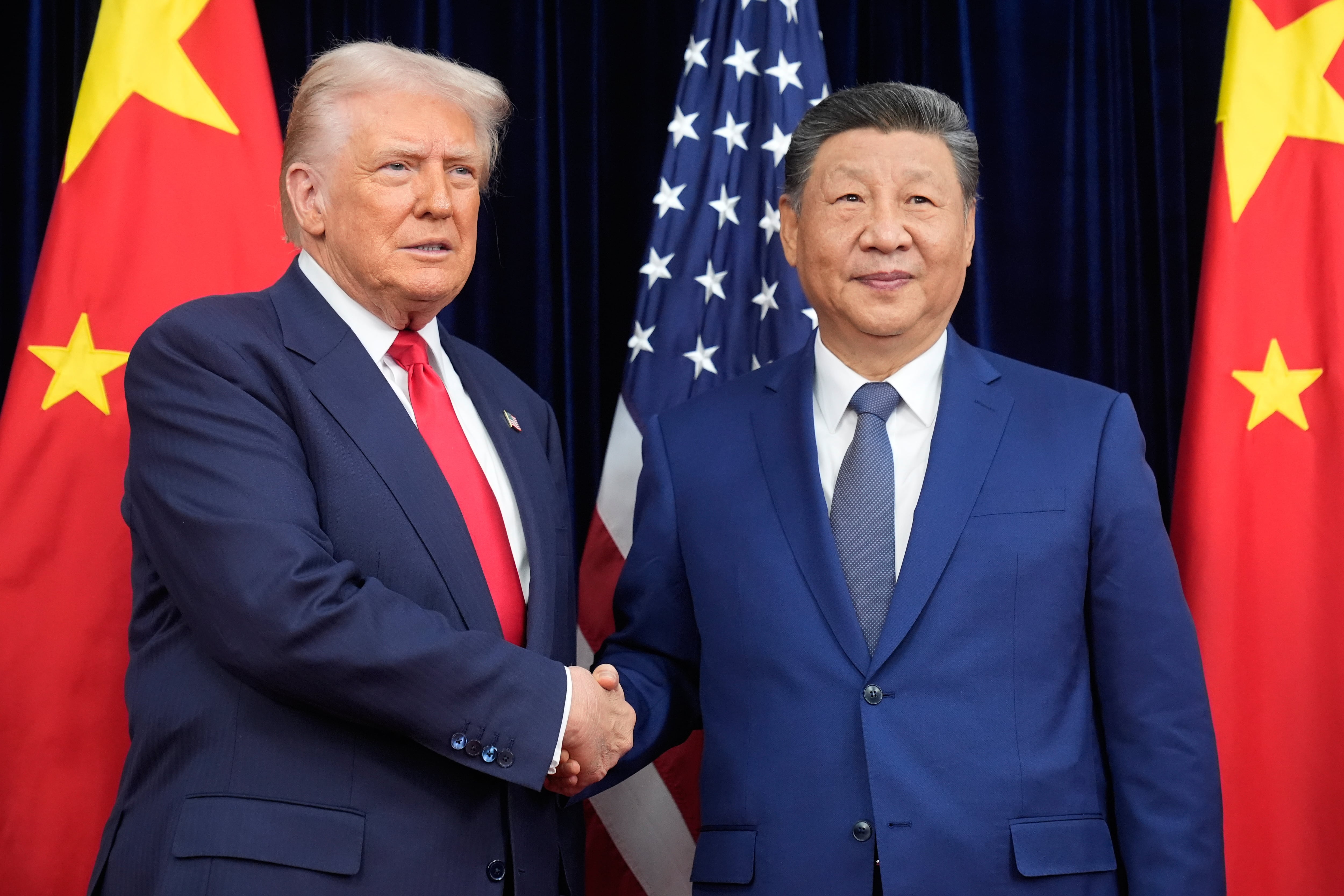
President Donald Trump said he has decided to lower his combined tariff rates on imports of Chinese goods to 47% after talks with Chinese leader Xi Jinping on curbing fentanyl trafficking.
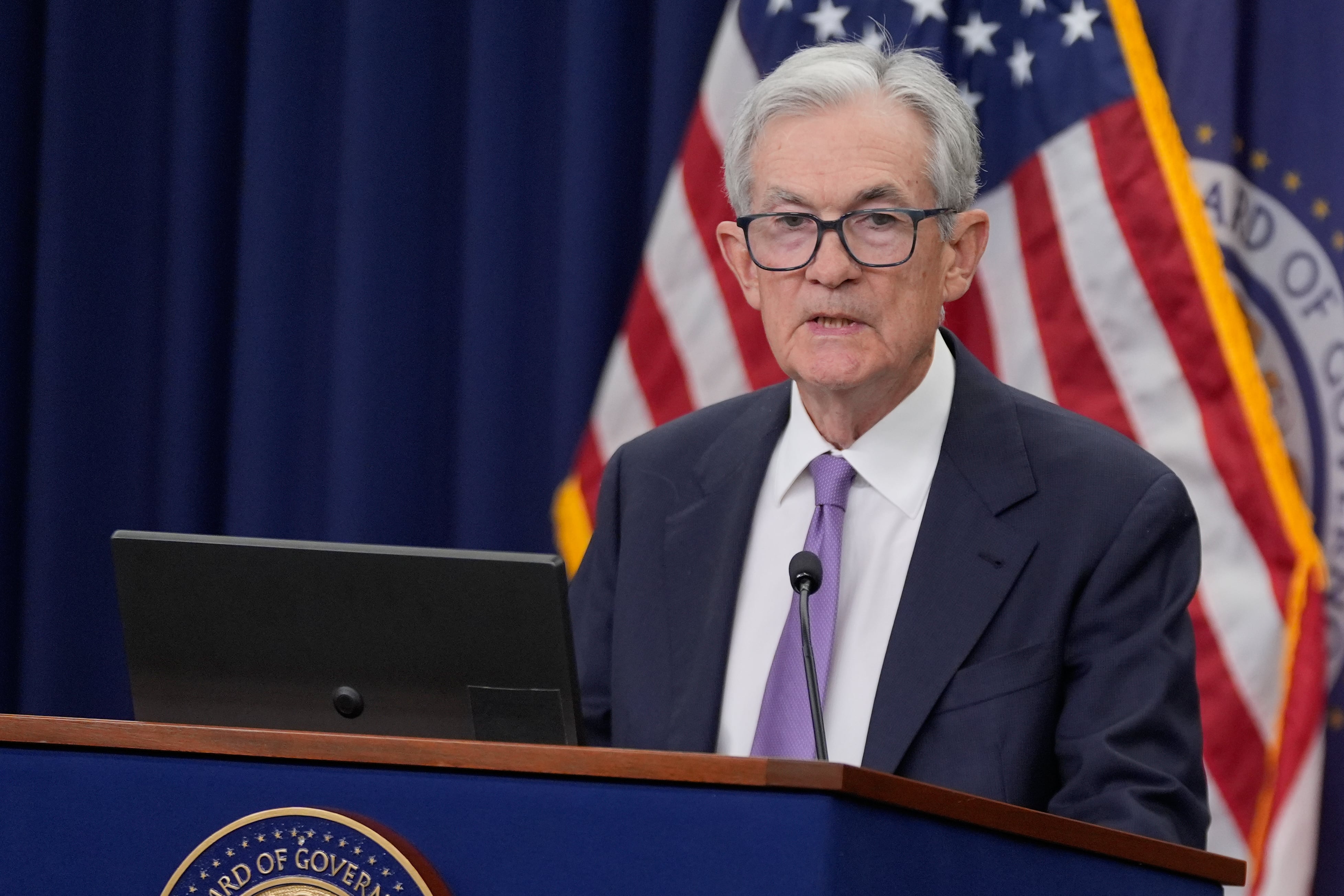
The Federal Reserve cut its key interest rate Wednesday for a second time this year as it seeks to shore up economic growth and hiring even as inflation stays elevated. The move comes amid a fraught time for the central bank, with hiring sluggish and yet inflation stuck above the Fed’s 2% target. Compounding its challenges, the central bank is navigating without much of the economic data it typically relies on from the government. The Fed has signaled it may reduce its key rate again in December but the data drought raises the uncertainty around its next moves. Fed Chair Jerome Powell told reporters that there were “strongly differing views” at the central bank's policy meeting about to proceed going forward.
U.S. and Chinese officials say a trade deal between the world’s two largest economies is drawing closer. The sides have reached an initial consensus for President Donald Trump and Chinese leader Xi Jinping to aim to finalize during their high-stakes meeting Thursday in South Korea. Any agreement would be a relief to international markets. Trump's treasury secretary says discussions with China yielded preliminary agreements to stop the precursor chemicals for fentanyl from coming into the United States. Scott Bessent also says Beijing would make “substantial” purchases of soybean and other agricultural products while putting off export controls on rare earth elements needed for advanced technologies.