U.S. applications for unemployment benefits fell last week as employers continue to retain workers despite resurgent inflation and elevated interest rates. The number of Americans filing for jobless benefits fell by 7,000 to 213,000 for the week ending February 8, the Labor Department said Thursday. Analysts projected that 215,000 new applications would be filed. Weekly applications for jobless benefits are considered representative of layoffs. The total number of Americans receiving unemployment benefits for the week of February 1 fell to 1.85 million, a decrease of 36,000 from the previous week.
It’s a chicken-and-egg problem: Restaurants are struggling with record-high U.S. egg prices, but their omelets, scrambles and huevos rancheros may be part of the problem. Breakfast is booming at U.S. eateries. First Watch, a restaurant chain that serves breakfast, brunch and lunch, nearly quadrupled its locations over the past decade to 570. Fast-food chains like Starbucks and Wendy's added more egg-filled breakfast items. In normal times, egg producers could meet the demand. But a bird flu outbreak that has forced them to slaughter their flocks is making supplies scarcer and pushing up prices. Some restaurants like Waffle House have added a surcharge to offset their costs.
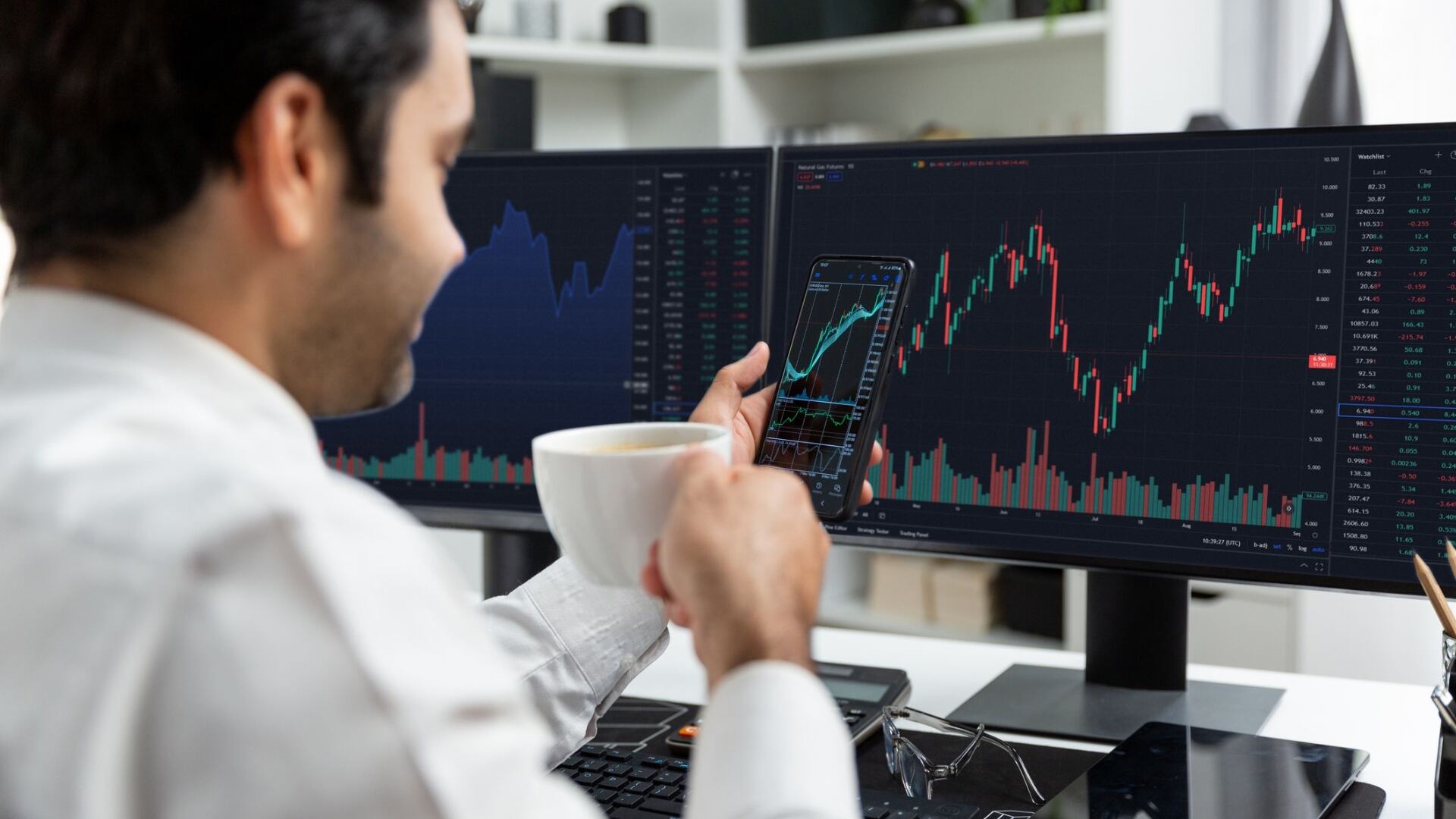
Amazon.com Inc. surpassed $2 trillion in market value for the first time in afternoon trading on Wednesday. The push higher for Amazon’s stock market valuation comes a little more than a week after Nvidia hit $3 trillion and briefly became the most valuable company on Wall Street. Nvidia’s chips are used to power many AI application and its valuation has soared as a result. Amazon has also been making big investments in AI as global interest has grown in the technology. Most of the company’s focus has been on business-focused products.
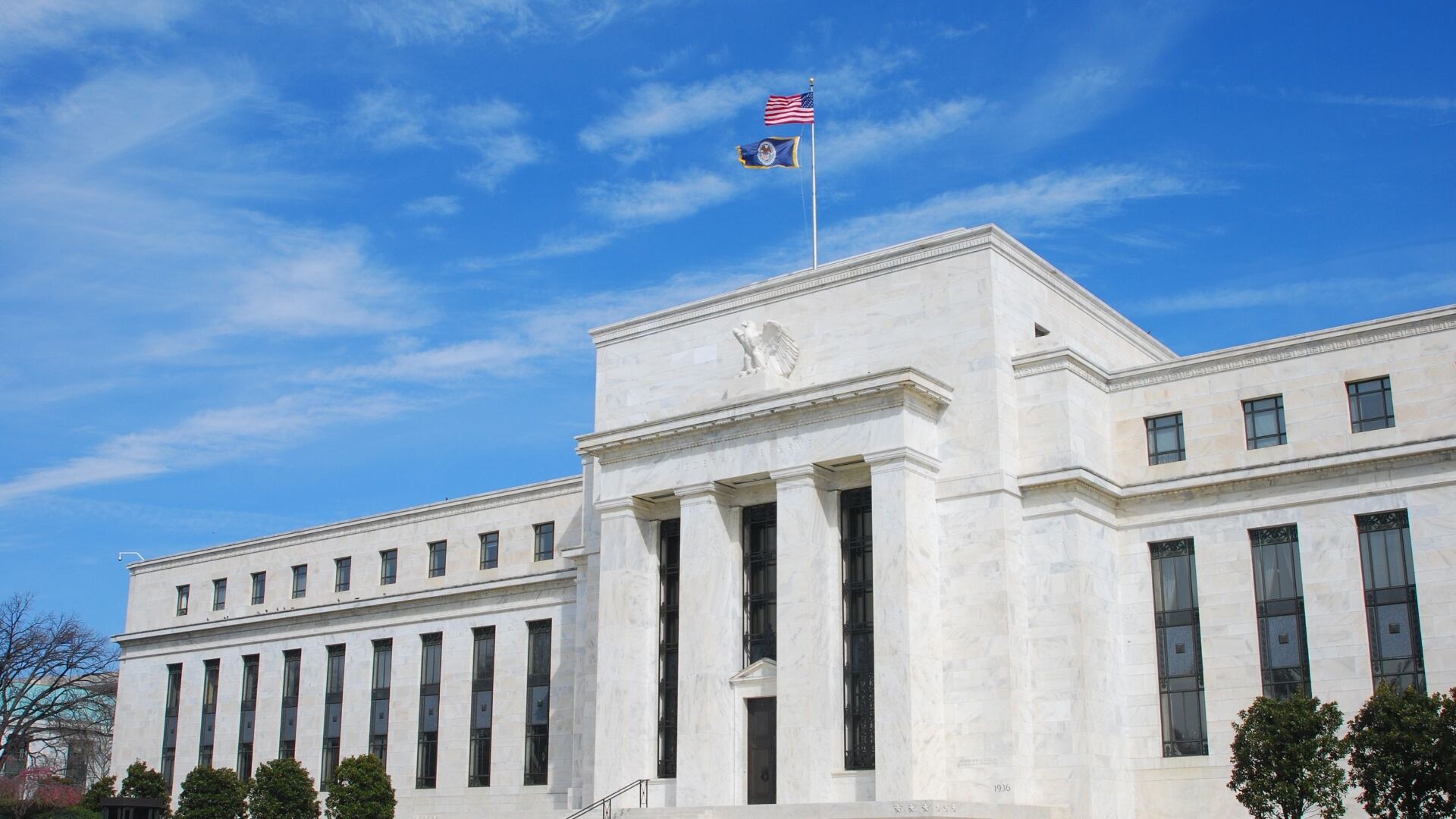
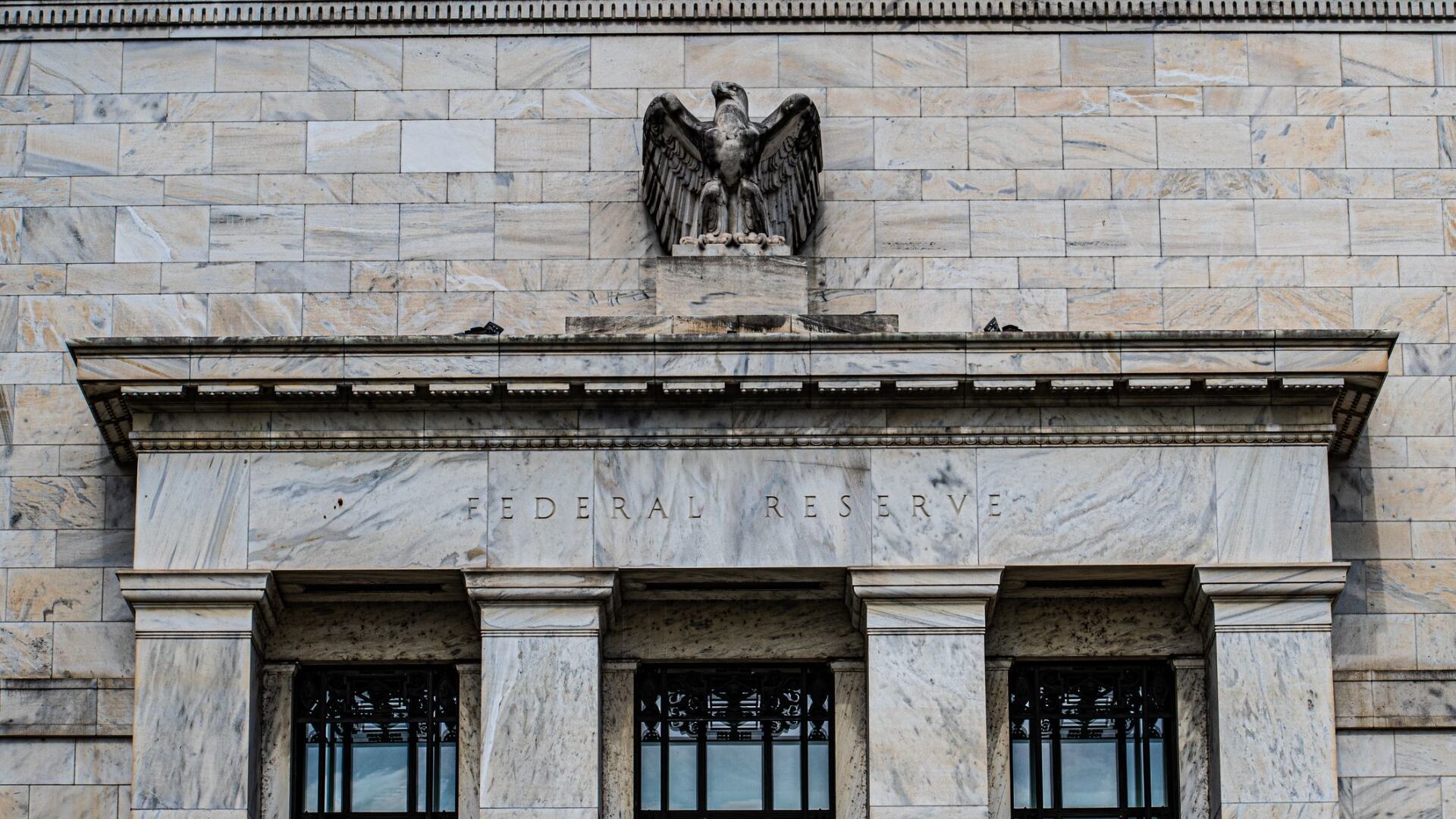
It’s an annual tradition: the Fed’s banking ‘stress test.’ A year after the regional banking crisis, there are good reasons to make sure they’re prepped.
While Nvidia's meteoric rise led it to briefly dethrone Microsoft as the world's biggest public company, there's a lot more going on in this market than A.I.
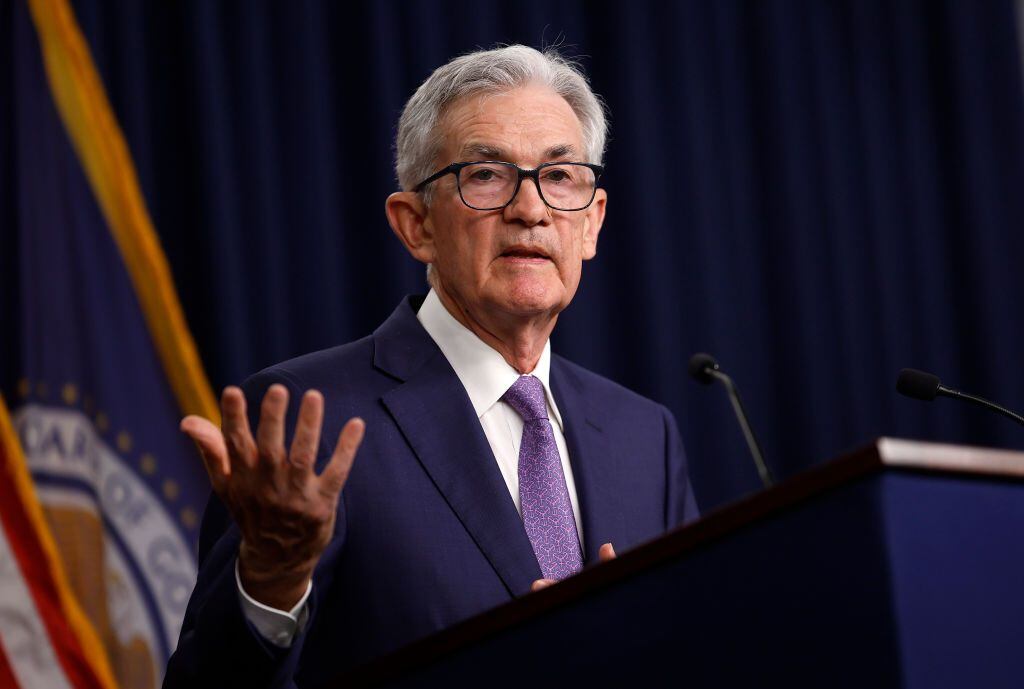
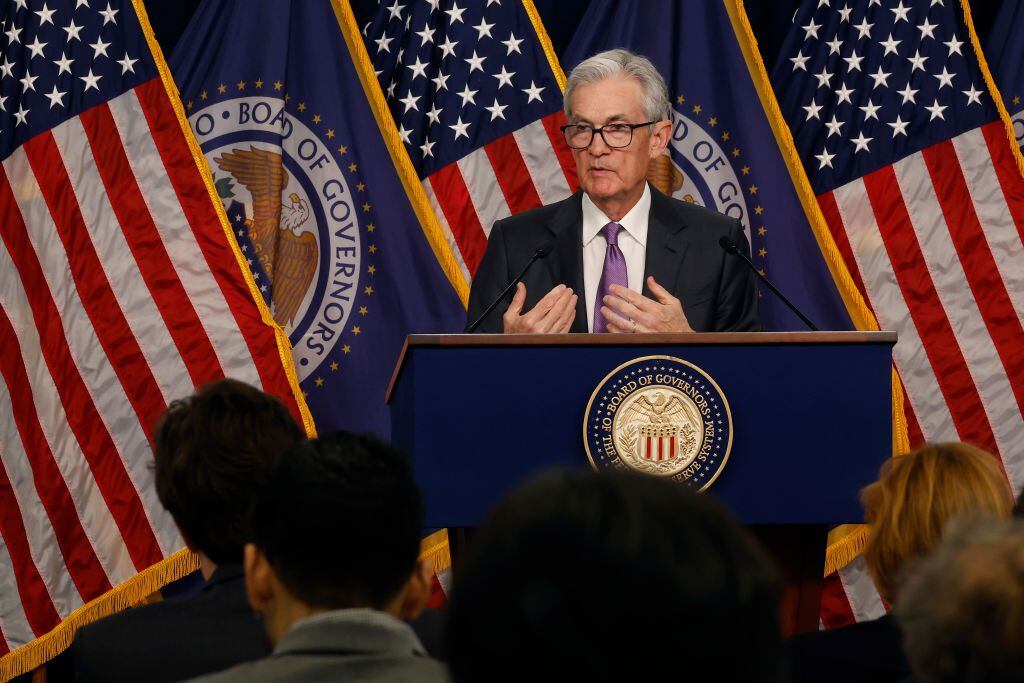
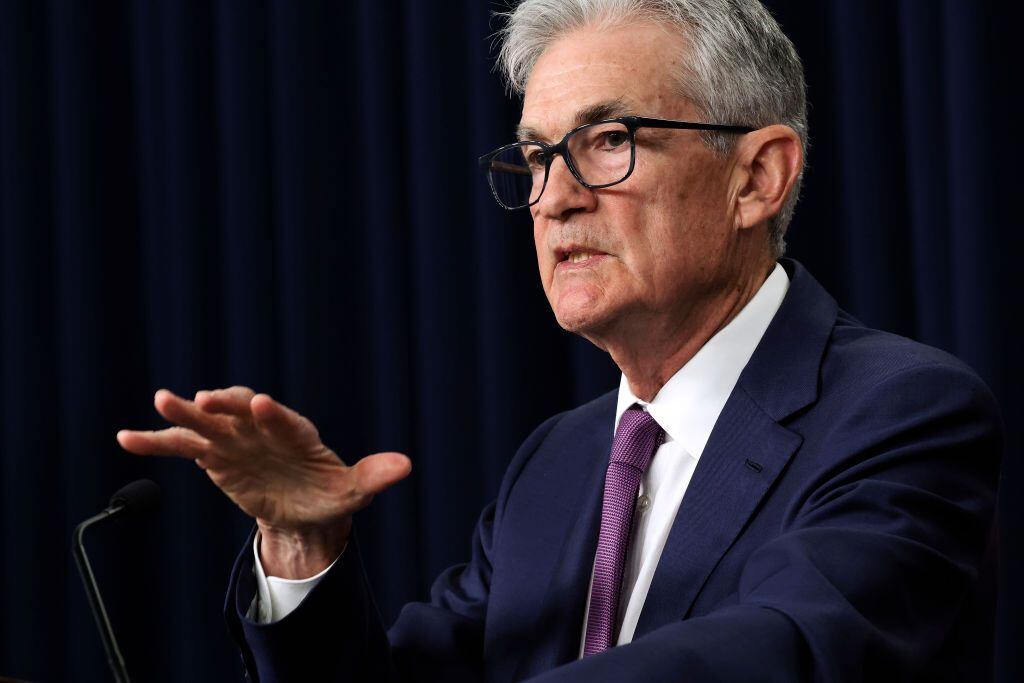
Chair Jerome Powell says the Federal Reserve only expects to cut rates once in 2024. But at least, as one economist says, ‘rate hikes are off the table.’
With the Fed likely set to leave rates unchanged, lower and middle income Americans will continue dealing with higher credit card interest and expenses.
The U.S. economy added 272,000 jobs in May, far more than expected. But that number doesn't tell the whole story. Interest rate cuts could still be on the way.
Northwestern Mutual’s A.I. and money report shows that consumers want their adviser to take advantage of ‘superpowers’ granted by artificial intelligence tools.